Liṅga Mahāpurāṇa - Pūrva-bhāga
Chapter 67 - Story of Yayāti of Somavamsha
ययातिरुवाच
ब्राह्मणप्रमुखा वर्णाः सर्वे शृण्वन्तु मे वचः ।
ज्येष्ठं प्रति यथा राज्यं न देयं मे कथञ्चन ॥ १ ॥
yayātiruvāca
brāhmaṇapramukhā varṇāḥ sarve śṛṇvantu me vacaḥ |
jyeṣṭhaṃ prati yathā rājyaṃ na deyaṃ me kathañcana || 1 ||
Yayāti said— O Brāhmaṇas and noble men of all varṇas, listen attentively to my words. I shall now explain why I have decided not to grant the kingdom to my eldest son, Yadu, under any circumstances.
मम ज्येष्ठेन यदुना नियोगो नानुपालितः ।
प्रतिकूलमतिश्चैव न स पुत्रः सतां मतः॥२॥
mama jyeṣṭhena yadunā niyogo nānupālitaḥ |
pratikūlamatiścaiva na sa putraḥ satāṃ mataḥ||2||
My eldest son, Yadu, has disobeyed my command. He has chosen to go against my will. A son who does not act according to his father's wishes is not considered a true son by noble men.
मातापित्रोर्वचनकृत्सद्भिः पुत्रः प्रशस्यते ।
स पुत्रः पुत्रवद्यस्तु वर्तते मातृपितृषु ॥ ३ ॥
mātāpitrorvacanakṛtsadbhiḥ putraḥ praśasyate |
sa putraḥ putravadyastu vartate mātṛpitṛṣu || 3 ||
A worthy son is one who follows the words of his mother and father. Such a son is praised by the virtuous and is truly considered a son in the highest sense.
यदुनाहमवज्ञातस्तथा तुर्वसुनापि च ।
दुह्येन चानुना चैव मय्यवज्ञा कृता भृशम् ॥४॥
yadunāhamavajñātastathā turvasunāpi ca |
duhyena cānunā caiva mayyavajñā kṛtā bhṛśam ||4||
Not only Yadu, but also Turvasu, Druhya, and Anu have all ignored and disrespected my authority. They have caused me great dishonor and pain.
पुरुणा च कृतं वाक्यं मानितश्च विशेषतः ।
कनीयान्मम दायादो जरा येन धृता मम ॥५॥
puruṇā ca kṛtaṃ vākyaṃ mānitaśca viśeṣataḥ |
kanīyānmama dāyādo jarā yena dhṛtā mama ||5||
But Puru alone upheld my command. Among all my sons, he honored my word with the greatest sincerity. It was he who accepted my old age and relieved me of its burden.
शुक्रेण मे समादिष्टा देवयान्याः कृते जरा ।
प्रार्थितेन पुनस्तेन जरा सञ्चारिणी कृता॥६॥
śukreṇa me samādiṣṭā devayānyāḥ kṛte jarā |
prārthitena punastena jarā sañcāriṇī kṛtā||6||
Because of Devayānī, the sage Śukra had cursed me with old age. But upon my humble request, he granted me the boon that my old age could be transferred to another.
शुक्रेण च वरो दत्तः काव्येनोशनसा स्वयम् ।
पुत्रो यस्त्वानुवर्तेत स ते राज्यधरस्त्विति॥७॥
भवतोऽप्यनुजानंतु पूरू राज्येऽभिषिच्यते ।
śukreṇa ca varo dattaḥ kāvyenośanasā svayam |
putro yastvānuvarteta sa te rājyadharastviti||7||
bhavato’pyanujānaṃtu pūrū rājye’bhiṣicyate |
The sage Śukra himself bestowed upon me a boon, saying: 'The son who remains obedient and devoted to you shall inherit your kingdom.'
प्रकृतय ऊचुः
यः पुत्रो गुणसंपन्नो मातापित्रोर्हितः सदा ॥ ८ ॥
सर्वमर्हति कल्याणं कनीयानपि स प्रभुः ।
अर्हः पूरुरिदं राज्यं यः सुतो वाक्यकृत्तव॥९॥
वरदानेन शुक्रस्य न शक्यं कर्तुमन्यथा ।
prakṛtaya ūcuḥ
yaḥ putro guṇasaṃpanno mātāpitrorhitaḥ sadā || 8 ||
sarvamarhati kalyāṇaṃ kanīyānapi sa prabhuḥ |
arhaḥ pūruridaṃ rājyaṃ yaḥ suto vākyakṛttava||9||
varadānena śukrasya na śakyaṃ kartumanyathā |
The people responded- A son who is virtuous and always devoted to the welfare of his parents deserves all prosperity, even if he is the youngest. Puru is worthy of this kingdom because he has followed his father's command. Since this decision is sanctioned by the boon of Śukra, it cannot be reversed.
सूत उवाच
एवं जानपदैस्तुष्टैरित्युक्तो नाहुषस्तदा ॥१०॥
भिषिच्य ततो राज्ये पुरुं स सुतमात्मनः ।
दिशि दक्षिणपूर्वस्यां तुर्वसुं पुत्रमादिशत् ॥ ११॥
sūta uvāca
evaṃ jānapadaistuṣṭairityukto nāhuṣastadā ||10||
bhiṣicya tato rājye puruṃ sa sutamātmanaḥ |
diśi dakṣiṇapūrvasyāṃ turvasuṃ putramādiśat || 11||
Sūta said- When the people of the kingdom, pleased with his decision, approved Yayāti's words, the great king crowned Puru as his successor. He then appointed his son Turvasu to rule over the southeastern direction.
दक्षिणायामथो राजा यदुं ज्येष्ठं न्ययोजयेत् ।
प्रतीच्यामुत्तरस्यां तु दुह्यं चानुं च तावुभौ ॥१२॥
dakṣiṇāyāmatho rājā yaduṃ jyeṣṭhaṃ nyayojayet |
pratīcyāmuttarasyāṃ tu duhyaṃ cānuṃ ca tāvubhau ||12||
Thereafter, the king entrusted Yadu, his eldest son, with the southern region. He assigned Druhya to the western region and Anu to the northern direction.
सप्तद्वीपां ययातिस्तु जित्वा पृथ्वीं ससागराम् ।
व्यभजच्च त्रिधा राज्यं पुत्रेभ्यो नाहुषस्तदा ॥ १३ ॥
saptadvīpāṃ yayātistu jitvā pṛthvīṃ sasāgarām |
vyabhajacca tridhā rājyaṃ putrebhyo nāhuṣastadā || 13 ||
After conquering the earth along with the seven continents and oceans, Yayāti, the son of Nahuṣa, divided the kingdom into three parts and distributed them among his sons.
Puru was given the heart of the kingdom, which then became lineage of the Kurus and Pāṇḍavas. Southern kingdom went to Yadu and became land of Yādavas lineage (in which Śrī Kṛṣṇa was born), Southeastern lands went to Turvasu. Anu (northern) and Druhyu (western) received distant territories beyond the core regions, seen as symbolic banishments due to their refusal to help Yayāti.
पत्रसंक्रामितश्रीस्तु हर्षनिर्भरमानसः ।
प्रीतिमानभवद्राजा भारमावेश्य बंधुषु ॥ १४ ॥
patrasaṃkrāmitaśrīstu harṣanirbharamānasaḥ |
prītimānabhavadrājā bhāramāveśya baṃdhuṣu || 14 ||
Having transferred his wealth, prosperity, and authority to his sons, his heart became filled with immense joy. The king, relieved of his responsibilities, experienced deep satisfaction, entrusting the burden of governance to his kin.
अत्र गाथा महाराज्ञा पुरा गीता ययातिना ।
याभिः प्रत्याहरेत्कामान्सर्वतोंगानि कूर्मवत् ॥ १५ ॥
ताभिरेव नरः श्रीमान्नान्यथा कर्मकोटिकृत् ।
न जातु कामः कामानामुपभोगेन शाम्यति ॥१६॥
हविषा कृष्णवर्त्मेव भूय एवाभिवर्धते ।
यत्पृथिव्यां व्रीहियवं हिरण्यं पशवः स्त्रियः ॥ १७ ॥
नालमेकस्य तत्सर्वमिति मत्वा शमं व्रजेत् ।
यदा न कुरुते भावं सर्वभूतेषु पापकम् ॥१८॥
कर्मणा मनसा वाचा ब्रह्म संपद्यते तदा ।
यदा परान्न बिभेति परे चास्मान्न बिभ्यति ॥ १९ ॥
यदा न निन्देन्न द्वेष्टि ब्रह्म संपद्यते तदा ।
या दुस्त्यजा दुर्मतिभिर्या न जीर्यति जीर्यतः ॥ २० ॥
सौ प्राणान्तिको रोगस्तां तृष्णां त्यजतः सुखम् ।
जीर्यन्ति जीर्यतः केशा दन्ता जीर्यंति जीर्यतः ॥ २१ ॥
चक्षु श्रोत्रे च जीर्येते तृष्णैका निरुपद्रवा ।
जीर्यंति देहिनः सर्वे स्वभावादेव नान्यथा ॥ २२ ॥
जीविताशा धनाशा च जीयतोपि न जीर्यते ।
यच्च कामसुखं लोके यच्च दिव्यं महत्सुखम् ॥ २३ ॥
तृष्णाक्षयसुखस्यैतत्कलां नार्हति षोडशीम् ।
एवमुक्त्वा स राजर्षिः सदारः प्राविशद्वनम् ॥ २४ ॥
atra gāthā mahārājñā purā gītā yayātinā |
yābhiḥ pratyāharetkāmānsarvatoṃgāni kūrmavat || 15 ||
tābhireva naraḥ śrīmānnānyathā karmakoṭikṛt |
na jātu kāmaḥ kāmānāmupabhogena śāmyati ||16||
haviṣā kṛṣṇavartmeva bhūya evābhivardhate |
yatpṛthivyāṃ vrīhiyavaṃ hiraṇyaṃ paśavaḥ striyaḥ || 17 ||
nālamekasya tatsarvamiti matvā śamaṃ vrajet |
yadā na kurute bhāvaṃ sarvabhūteṣu pāpakam ||18||
karmaṇā manasā vācā brahma saṃpadyate tadā |
yadā parānna bibheti pare cāsmānna bibhyati || 19 ||
yadā na nindenna dveṣṭi brahma saṃpadyate tadā |
yā dustyajā durmatibhiryā na jīryati jīryataḥ || 20 ||
sau prāṇāntiko rogastāṃ tṛṣṇāṃ tyajataḥ sukham |
jīryanti jīryataḥ keśā dantā jīryaṃti jīryataḥ || 21 ||
cakṣu śrotre ca jīryete tṛṣṇaikā nirupadravā |
jīryaṃti dehinaḥ sarve svabhāvādeva nānyathā || 22 ||
jīvitāśā dhanāśā ca jīyatopi na jīryate |
yacca kāmasukhaṃ loke yacca divyaṃ mahatsukham || 23 ||
tṛṣṇākṣayasukhasyaitatkalāṃ nārhati ṣoḍaśīm |
evamuktvā sa rājarṣiḥ sadāraḥ prāviśadvanam || 24 ||
At this juncture, O sages, the great king Yayāti sang an ancient verse, teaching how one should withdraw the senses from all desires, just as a tortoise withdraws its limbs within its shell.
A wise man attains true prosperity only by restraining desires, and not merely by performing crores of virtuous deeds. Indeed, desires can never be quenched through indulgence; like a fire fed with ghee, they only grow stronger.
Just as fire grows when fed with oblations, so do desires expand with enjoyment. All the grains, gold, cattle, and women in the entire world—these are not sufficient to satisfy even a single man's desires. Realizing this, one should seek peace through renunciation.
When a man ceases to harbor any sinful intent towards any living being, whether through action, thought, or speech, then, and only then, does he attain Brahman, the ultimate truth.
When he neither fears others nor causes fear in them, when he neither criticizes nor harbors hatred, only then does he realize the Supreme Brahman.
Desire is a disease that foolish cannot abandon, it never weakens, even as the body withers with age. Only he who renounces this incurable ailment of craving can find true peace and happiness.
As a man grows old, his hair turns gray, his teeth fall out, his eyes weaken, and his ears grow dull. Yet, desire alone remains ever strong and undiminished.
All beings grow old as per their nature, there is no exception. But the desire for life and wealth never diminishes, even in those who have lived long enough to witness the decay of everything else.
The pleasures of worldly desires and even the exalted bliss of heaven, do not amount to even one-sixteenth of the joy experienced by a person who has completely eradicated craving from his heart.
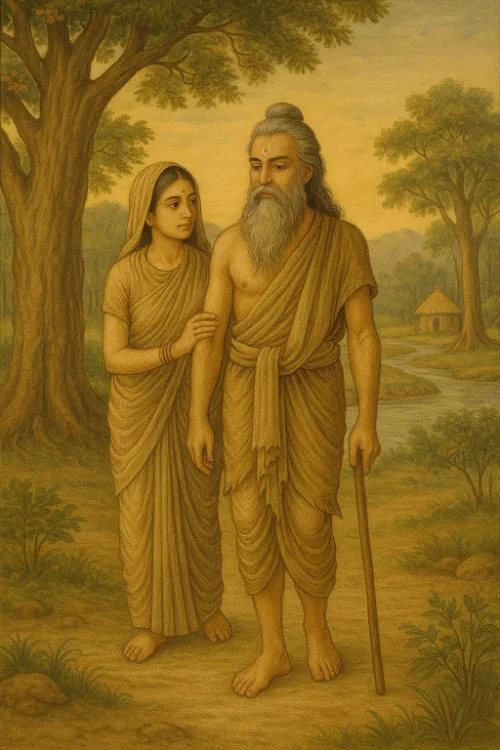
Thus, after speaking these profound words of wisdom, the great royal sage Yayāti, along with his wife, renounced the world and entered the forest, in pursuit of the ultimate truth and liberation.
भृगुतुङ्गे तपस्तेपे तत्रैव च महायशाः ।
साधयित्वा त्वनशनं सदारः स्वर्गमाप्तवान् ॥ २५ ॥
तस्य वंशास्तु पञ्चैते पुण्या देवर्षिसत्कृताः ।
यैर्व्याप्ता पृथिवी कृत्स्ना सूर्यस्येव मरीचिभिः ॥ २६ ॥
धनी प्रजावानायुष्मान्कीर्तिमांश्च भवेन्नरः ।
ययातिचरितं पुण्यं पठञ्छृण्वंश्च बृद्धिमान् ॥ २७॥
सर्वपापविनिर्मुक्तः शिवलोके महीयते ॥२८॥
bhṛgutuṅge tapastepe tatraiva ca mahāyaśāḥ |
sādhayitvā tvanaśanaṃ sadāraḥ svargamāptavān || 25 ||
tasya vaṃśāstu pañcaite puṇyā devarṣisatkṛtāḥ |
yairvyāptā pṛthivī kṛtsnā sūryasyeva marīcibhiḥ || 26
dhanī prajāvānāyuṣmānkīrtimāṃśca bhavennaraḥ |
yayāticaritaṃ puṇyaṃ paṭhañchṛṇvaṃśca bṛddhimān || 27||
sarvapāpavinirmuktaḥ śivaloke mahīyate ||28||
Upon the sacred peak of Bhṛgutuṅga, the greatly renowned Yayāti engaged in severe austerities. Observing absolute fasting, he perfected his penance, and along with his wives, he ascended to heaven.
His five illustrious lineages—born of his five sons— were virtuous and revered by divine sages. Like the rays of the sun that spread across the entire earth, His descendants expanded their glory throughout the world.
One who reads or listens to the sacred story of Yayāti shall be blessed with prosperity, progeny, longevity, and everlasting fame. Such a person, endowed with wisdom, shall attain supreme success in life.
Freed from all sins, he shall be glorified in the divine abode of Śiva, and shall dwell in bliss for eternity.
इति श्रीलिङ्गमहापुराणे पूर्वभागे सोमवंशे ययातिचरितं नाम सप्तषष्टितमोऽध्यायः॥६७॥
iti śrīliṅgamahāpurāṇe pūrvabhāge somavaṃśe yayāticaritaṃ nāma saptaṣaṣṭitamo’dhyāyaḥ||67||
Thus concludes the sixty-seventh chapter of the Liṅga Mahāpurāṇa (Pūrvabhāga), describing the glorious story of Yayāti in the lunar dynasty (Somavaṃśa).
Full Synopsis of the Story of Yayāti of Somavamsha
King Yayāti, a monarch of the lunar dynasty (Somavaṁśa), addresses the Brāhmaṇas and nobles to explain why he has chosen not to pass his kingdom to his eldest son, Yadu. Yayāti declares that Yadu, along with his brothers Turvasu, Druhya, and Anu, disobeyed his commands and thus lost their rightful claim to the throne. In contrast, his youngest son, Puru, displayed exceptional virtue and obedience by accepting Yayāti’s old age—granted as a curse by Śukra—and thereby earning the king’s blessing.
Citing Śukra’s boon that only the son who obeys will inherit the kingdom, Yayāti praises Puru for his filial devotion. The people affirm this decision, noting that true worthiness comes from virtue and not age. Yayāti then divides his realm among his sons: Puru inherits the central throne, Turvasu is given the southeast, Yadu the south, Druhya the west, and Anu the north.
After distributing his kingdom and wealth, Yayāti retires from worldly life. He teaches profound truths on renunciation, desire, and liberation, likening the control of senses to a tortoise withdrawing into its shell. He warns that desires, like fire, grow when indulged and cannot be quenched by wealth, pleasure, or even heaven. He extols detachment, asserting that only the complete eradication of craving brings true joy and realization of Brahman.
Yayāti then renounces the world with his wife and performs severe penance on Bhṛgutuṅga mountain. Eventually, they ascend to heaven, achieving liberation. The chapter concludes by blessing those who hear or recite this tale with prosperity, longevity, fame, and a place in Śiva's abode.