Mahābhārata - Shalya Parva
Chapter 39 - The Origin of the Name of Kapālamochana
वैशम्पायन उवाच उषित्वा तत्र रामस्तु सम्पूज्याश्रमवासिनः ।
तथा मङ्कणके प्रीतिं शुभां चक्रे हलायुधः ॥ १॥
vaiśampāyana uvāca uṣitvā tatra rāmastu sampūjyāśramavāsinaḥ |
tathā maṅkaṇake prītiṃ śubhāṃ cakre halāyudhaḥ || 1||
Vaishampayana said:
Having passed one night there, Rama, having the plough for his weapon, adored the dwellers of that tirtha and showed great respect for Mankanaka.
दत्त्वा दानं द्विजातिभ्यो रजनीं तामुपोष्य च ।
पूजितो मुनिसङ्घैश्च प्रातरुत्थाय लाङ्गली ॥ २ ॥
अनुज्ञाप्य मुनीन् सर्वान् स्पृष्ट्वा तोयं च भारत।
प्रययौ त्वरितो रामस्तीर्थहेतोर्महावलः ॥ ३ ॥
dattvā dānaṃ dvijātibhyo rajanīṃ tāmupoṣya ca |
pūjito munisaṅghaiśca prātarutthāya lāṅgalī || 2 ||
anujñāpya munīn sarvān spṛṣṭvā toyaṃ ca bhārata|
prayayau tvarito rāmastīrthahetormahāvalaḥ || 3 ||
Having distributed wealth amongst the Brahmanas and passed the night there the hero, having the plow for his weapon, was adored by the ascetics. Rising up in the morning, he took leave of all the ascetics, and having touched the sacred water, O Bharata started quickly for other tirthas.
ततस्त्वौशनसं तीर्थमाजगाम हलायुधः ।
कपालमोचनं नाम यत्र मुक्तो महामुनिः ॥ ४ ॥
महता शिरसा राजन् ग्रस्तजङ्घा महोदरः ।
राक्षसस्य महाराज रामक्षिप्तस्य वै पुरा ॥ ५ ॥
tatastvauśanasaṃ tīrthamājagāma halāyudhaḥ |
kapālamocanaṃ nāma yatra mukto mahāmuniḥ || 4 ||
mahatā śirasā rājan grastajaṅghā mahodaraḥ |
rākṣasasya mahārāja rāmakṣiptasya vai purā || 5 ||
Baladeva then went to the tirtha known by the name of Ushanas. It is also called Kapalamochana. Formerly, Rama (the son of Dasharatha) slew a Rakshasa and threw his head to a great distance. That head, O king, fell upon the thigh of a great sage named Mahodara and stuck to it. Bathing in this tirtha, the great Rishi was freed from that burden. The great (Shukra) had practiced his ascetic penances there.
तत्र पूर्वं तपस्तप्तं काव्येन सुमहात्मना ।
यत्रास्य नीतिरखिला प्रादुर्भूता महात्मनः ॥ ६ ॥
यत्रस्थाश्चिन्तयामास दैत्यदानवविग्रहम् ।
tatra pūrvaṃ tapastaptaṃ kāvyena sumahātmanā |
yatrāsya nītirakhilā prādurbhūtā mahātmanaḥ || 6 ||
yatrasthāścintayāmāsa daityadānavavigraham |
It was there that the science of politics and morals, that passes by Shukra's name, was revealed to him. While living there. Shukra meditated upon the war of the Daityas and the Danavas.
तत् प्राप्य च बलो राजंस्तीर्थप्रवरमुत्तमम्॥७॥
विधिवद् वै ददौ वित्तं ब्राह्मणानां महात्मनाम्।
tat prāpya ca balo rājaṃstīrthapravaramuttamam||7||
vidhivad vai dadau vittaṃ brāhmaṇānāṃ mahātmanām|
Arrived at that foremost of tirthas Baladeva, O king, duly made presents to the great Brahmanas.
जनमेजय उवाच
कपालमोचनं ब्रह्मन्कथं यत्र महामुनिः ॥ ८ ॥
मुक्तः कथं चास्य शिरो लग्नं केन च हेतुना ।
janamejaya uvāca kapālamocanaṃ brahmankathaṃ yatra mahāmuniḥ || 8 ||
muktaḥ kathaṃ cāsya śiro lagnaṃ kena ca hetunā |
Janamejaya said Why is it called Kapalamochana, where the great Muni became freed (from the Rakshasa's head)? Why and how did that head stick to his thigh?"
वैशम्पायन उवाच
पुरा वै दण्डकारण्ये राघवेण महात्मना ॥ ९ ॥
वसता राजशार्दूल राक्षसान् शमयिष्यता ।
vaiśampāyana uvāca
purā vai daṇḍakāraṇye rāghaveṇa mahātmanā || 9 ||
vasatā rājaśārdūla rākṣasān śamayiṣyatā |
Vaishampayana said "Formerly, O foremost of the king, the great Rama (the son of Dasharatha) lived for some time in the forest of Dandaka, for killing the Rakshasas.
जनस्थाने शिरश्छिन्नं राक्षसस्य दुरात्मनः ॥ १० ॥
क्षुरेण शितधारेण उत्पपात महावने ।
janasthāne śiraśchinnaṃ rākṣasasya durātmanaḥ || 10 ||
kṣureṇa śitadhāreṇa utpapāta mahāvane |
At Janasthana he severed the head of a wicked Rakshasa with a highly sharp razor-headed arrow. That head fell deep into the forest.
महोदरस्य तल्लग्नं जंघाया वै यदृच्छया ॥ ११॥
वने विचरतो राजन्नस्थि भित्वाऽस्फुरत् तदा ।
स तेन लग्नेन तदा द्विजातिर्न शशाक ह ।। १२ ।।
mahodarasya tallagnaṃ jaṃghāyā vai yadṛcchayā || 11||
vane vicarato rājannasthi bhitvā’sphurat tadā |
sa tena lagnena tadā dvijātirna śaśāka ha || 12 ||
That head, coursing at will through the sky, fell upon the thigh of Mahodara while the latter was walking in the woods. Piercing his thigh, O king, it stuck to it and remained there.
अभिगन्तुं महाप्राज्ञस्तीर्थान्यायतनानि च ।
पूतिना विस्रवता वेदनार्तो महामुनिः ॥ १३ ॥
abhigantuṃ mahāprājñastīrthānyāyatanāni ca |
pūtinā visravatā vedanārto mahāmuniḥ || 13 ||
The great sage, who was highly wise, desired to visit the sacred tīrthas and holy shrines. However, he was in great pain as foul fluid kept oozing from the affixed head.
जगाम सर्वतीर्थानि पृथिव्यां चेति नः श्रुतम् ।
स गत्वा सरितः सर्वाः समुद्रांश्च महातपाः । । १४ ॥
jagāma sarvatīrthāni pṛthivyāṃ ceti naḥ śrutam |
sa gatvā saritaḥ sarvāḥ samudrāṃśca mahātapāḥ | | 14 ||
He traveled to all the tirthas of the earth, one after another, as heard by us.
कथयामास तत् सर्वमृषीणां भावितात्मनाम् ।
आप्लुत्य सर्वतीर्थेषु न च मोक्षमवाप्तवान् ॥ १५ ॥
स तु शुश्राव विप्रेन्द्र मुनीनां वचनं महत् ।
सरस्वत्यास्तीर्थवरं ख्यातमौशनसं तदा ॥ १६ ॥
सर्वपापप्रशमनं सिद्धिक्षेत्रमनुत्तमम्।
स गत्वा ततस्तत्र तीर्थमौशनसं द्विजः ॥ १७ ॥
kathayāmāsa tat sarvamṛṣīṇāṃ bhāvitātmanām |
āplutya sarvatīrtheṣu na ca mokṣamavāptavān || 15 ||
sa tu śuśrāva viprendra munīnāṃ vacanaṃ mahat |
sarasvatyāstīrthavaraṃ khyātamauśanasaṃ tadā || 16 ||
sarvapāpapraśamanaṃ siddhikṣetramanuttamam|
sa gatvā tatastatra tīrthamauśanasaṃ dvijaḥ || 17 ||
He went to all the rivers and to the ocean as well. The great ascetic spoke of his pain to many Rishis of pure souls, about his having bathed in all the sacred spots without finding any relief. That best of Brahmanas then heard from those sages, about this foremost of tirthas situated on the Sarasvati, known by the name of Auśanasa, which could cleanse every sin and was an excellent place for acquiring ascetic merits.
तत औशनसे तीर्थे तस्योपस्पृशतस्तदा ।
तच्छिरश्चरणं मुक्त्वा पपातान्तर्जले तदा ।। १८ ।।
tata auśanase tīrthe tasyopaspṛśatastadā |
tacchiraścaraṇaṃ muktvā papātāntarjale tadā || 18 ||
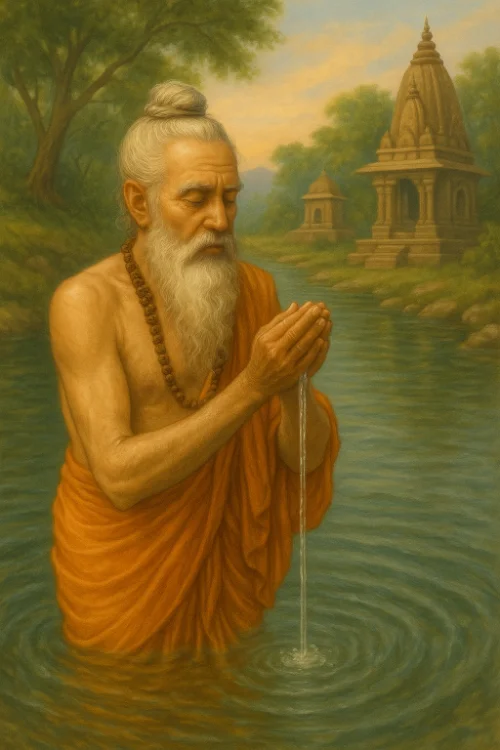
When at Auśanasa tirtha, that Brahmana bathed in its waters, that Rakshasa's head, leaving the thigh, dropped into the water.
विमुक्तस्तेन शिरसा परं सुखमवाप ह।
स चाप्यन्तर्जले मूर्धा जगामादर्शनं विभो ॥ १९ ॥
vimuktastena śirasā paraṃ sukhamavāpa ha|
sa cāpyantarjale mūrdhā jagāmādarśanaṃ vibho || 19 ||
Freed from that head, he attained supreme bliss. And that severed head disappeared into the water, O mighty one.
ततः स विशिरा राजन् पूतात्मा वीतकल्मष: ।
आजगामाश्रमं प्रीतः कृतकृत्यो महोदरः ॥ २० ॥
tataḥ sa viśirā rājan pūtātmā vītakalmaṣa: |
ājagāmāśramaṃ prītaḥ kṛtakṛtyo mahodaraḥ || 20 ||
Then, O king, freed from the Rakshasa's head Mahodara gladly returned, with purified soul and all his sins cleansed, to his hermitage after attaining success.
सोऽथ गत्वाऽऽश्रमं पुण्यं विप्रमुक्तो महातपाः ।
कथयामास तत् सर्वमृषीणां भावितात्मनाम् ॥ २१॥
so’tha gatvā’’śramaṃ puṇyaṃ vipramukto mahātapāḥ |
kathayāmāsa tat sarvamṛṣīṇāṃ bhāvitātmanām || 21||
Thus freed, after returning to his sacred hermitage the great ascetic, spoke of what had taken place to those Rishis of pure souls.
श्रुत्वा वचनं तस्य ततस्तीर्थस्य मानद ।
कपालमोचनमिति नाम चक्रुः समागताः ॥ २२ ॥
śrutvā vacanaṃ tasya tatastīrthasya mānada |
kapālamocanamiti nāma cakruḥ samāgatāḥ || 22 ||
Hearing his words, O honorable one, about the power of that tīrtha, all those who had gathered there gave it the name: 'Kapālamocana'.
स चापि तीर्थप्रवरं पुनर्गत्वा महानृषिः ।
पीत्वा पयः सुविपुलं सिद्धिमायात् तदा मुनिः ॥ २३॥
sa cāpi tīrthapravaraṃ punargatvā mahānṛṣiḥ |
pītvā payaḥ suvipulaṃ siddhimāyāt tadā muniḥ || 23||
Repairing once more to that foremost of tirthas, the great Rishi Mahodara, drank its water and acquired great ascetic success.
तत्र दत्त्वा बहून दायान् विप्रान् सम्पूज्य माधवः ।
जगाम वृष्णिप्रवरो रुषङ्गोराश्रमं तदा ॥ २४ ॥
tatra dattvā bahūna dāyān viprān sampūjya mādhavaḥ |
jagāma vṛṣṇipravaro ruṣaṅgorāśramaṃ tadā || 24 ||
Having distributed much wealth amongst the Brahmanas and worshipped them, Baladeva then went to the hermitage of Ruṣaṅga.
यत्र तप्तं तपो घोरमार्ष्टिषेणेन भारत ।
ब्राह्मण्यं लब्धवांस्तत्र विश्वामित्रो महामुनिः ॥ २५ ॥
yatra taptaṃ tapo ghoramārṣṭiṣeṇena bhārata |
brāhmaṇyaṃ labdhavāṃstatra viśvāmitro mahāmuniḥ || 25 ||
There, O Bharata, Ārṣṭiṣeṇena had in days of yore practised austerest of penances. There the great (Kshatriya) Muni Viśvāmitra became a Brahmana.
सर्वकामसमृद्धं च तदाश्रमपदं महत् ।
मुनिभिर्ब्राह्मणैश्चैव सेवितं सर्वदा विभो ॥ २६ ॥
sarvakāmasamṛddhaṃ ca tadāśramapadaṃ mahat |
munibhirbrāhmaṇaiścaiva sevitaṃ sarvadā vibho || 26 ||
That great hermitage is capable of fructifying every wish. It always, O lord, is the asylum of ascetics and Brahmanas.
ततो हलधरः श्रीमान् ब्राह्मणैः परिवारितः ।
जगाम् तत्र राजेन्द्र रुषङ्गुस्तनुमत्यजत्॥ २७॥
tato haladharaḥ śrīmān brāhmaṇaiḥ parivāritaḥ |
jagām tatra rājendra ruṣaṅgustanumatyajat|| 27||
Surrounded by Brahmanas, then the beautiful Baladeva went to that spot, O king, where Ruṣaṅga had, formerly, renounced his body.
रुषङ्गर्ब्राह्मणो वृद्धस्तपोनित्यश्च भारत ।
देहन्यासे कृतमना विचिन्त्य बहुधा तदा ॥ २८ ॥
ruṣaṅgarbrāhmaṇo vṛddhastaponityaśca bhārata |
dehanyāse kṛtamanā vicintya bahudhā tadā || 28 ||
Ruṣaṅga, O Bharata, was an old Brahmana always devoted to penances. Determined to renounce his body, he thought for a long while.
ततः सर्वानुपादाय तनयान् वै महातपाः ।
रुषङ्गुरब्रवीत् तत्र नयध्वं मां पृथूदकम्।। २९ ।।
tataḥ sarvānupādāya tanayān vai mahātapāḥ |
ruṣaṅgurabravīt tatra nayadhvaṃ māṃ pṛthūdakam|| 29 ||
Then, the great ascetic Ruṣaṅga, gathering all his sons, spoke there, “Take me to the sacred waters of Pṛthūdaka.”
विज्ञायातीतवयसं रुषङ्गु ते तपोधनाः ।
तं च तीर्थमुपानिन्युः सरस्वत्यास्तपोधनम्।। ३० ।।
vijñāyātītavayasaṃ ruṣaṅgu te tapodhanāḥ |
taṃ ca tīrthamupāninyuḥ sarasvatyāstapodhanam|| 30 ||
Knowing their father had become very old, those ascetics took him to a tirtha on the Sarasvati.
स तैः पुत्रैस्तदा धीमानानीतो वै सरस्वतीम् ।
पुण्यां तीर्थशतोपेतां विप्रसङ्घैर्निषेविताम् ॥ ३१ ॥
स तत्र विधिना राजन्नाप्लुत्य सुमहातपाः ।
सुप्रीतः पुरुषव्याघ्र सर्वान् पुत्रानुपासतः ।
सरस्वत्युत्तरे तीरे यस्त्यजेदात्मनस्तनुम्॥ ३३ ॥
पृथूदके जप्यपरो नैनं श्वोमरणं तपेत् ।
तत्राप्लुत्य स धर्मात्मा उपस्पृश्य हलायुधः ॥ ३४ ॥
sa taiḥ putraistadā dhīmānānīto vai sarasvatīm |
puṇyāṃ tīrthaśatopetāṃ viprasaṅghairniṣevitām || 31 ||
sa tatra vidhinā rājannāplutya sumahātapāḥ |
suprītaḥ puruṣavyāghra sarvān putrānupāsataḥ |
sarasvatyuttare tīre yastyajedātmanastanum|| 33 ||
pṛthūdake japyaparo nainaṃ śvomaraṇaṃ tapet |
tatrāplutya sa dharmātmā upaspṛśya halāyudhaḥ || 34 ||
The wise sage was then led by his sons to the sacred river Sarasvati, a holy stream adorned with hundreds of pilgrimage sites, revered by gatherings of Brahmins.
O King, there, in accordance with prescribed rites, that great ascetic immersed himself in its waters, filled with immense devotion, he stood content, surrounded by his sons, O tiger among men.
Then he said: whoever renounces his body on the northern bank of the Sarasvatī at Pṛthūdaka, engaged in japa, will never be afflicted by the suffering of untimely death.
दत्त्वा चैव बहून् दायान् विप्राणां विप्रवत्सलः ।
ससर्ज यत्र भगवाँल्लोकाँल्लोकपितामहः ।। ३५॥
dattvā caiva bahūn dāyān viprāṇāṃ vipravatsalaḥ |
sasarja yatra bhagavāṁllokāṁllokapitāmahaḥ || 35||
At this very place, O King, where the divine creator, bhagavān loka-pitāmahaḥ, Brahmā once brought forth the worlds, many great sages had attained enlightenment.
यत्रार्ष्टिषेणः कौरव्या ब्राह्मण्यं संशितव्रतः ।
तपसा महता राजन् प्राप्तवानृषिसत्तमः ॥ ३६ ॥
yatrārṣṭiṣeṇaḥ kauravyā brāhmaṇyaṃ saṃśitavrataḥ |
tapasā mahatā rājan prāptavānṛṣisattamaḥ || 36 ||
O King, in that very place, Arṣṭiṣeṇa, a noble Kaurava and steadfast in his vows, through great austerities, attained the status of Brahmanhood, becoming the foremost among sages.
सिन्धुद्वीपश्च राजर्षिर्देवापिश्च महातपाः ।
ब्राह्मण्यं लब्धवान् यत्र विश्वामित्रस्तथा मुनिः ॥ ३७ ॥
महातपस्वी भगवानुग्रतेजा महायशाः ।
तत्राजगाम बलवान् बलभद्रः प्रतापवान् ॥ ३८ ॥
sindhudvīpaśca rājarṣirdevāpiśca mahātapāḥ |
brāhmaṇyaṃ labdhavān yatra viśvāmitrastathā muniḥ || 37 ||
mahātapasvī bhagavānugratejā mahāyaśāḥ |
tatrājagāma balavān balabhadraḥ pratāpavān || 38 ||
Likewise, at this sacred site, the royal sage Sindhudvīpa, and the great ascetic Devāpi, as well as the illustrious sage Viśvāmitra, all attained Brāhmaṇa-hood.
It was here that the mighty Balabhadra Baladeva arrived, a great ascetic, possessing fiery splendor, a being of immense fame, strong in body and radiant in might.
Full Synopsis of The Origin of the Name of Kapālamochana
Vaishampayana narrates the journey of Baladeva (Balarama), the wielder of the plow, as he visits sacred tirthas along the Sarasvati River, performing rituals, distributing wealth, and paying homage to sages. The narrative intertwines Baladeva's journey with tales of past events at these holy sites.
Baladeva’s Worship and Journey
After spending a night at a tirtha, Baladeva honors the sages and distributes wealth among the Brahmanas. He continues his pilgrimage, visiting the tirtha of Ushanas, also called Kapalamochana.
The Origin of Kapalamochana
The tirtha’s name derives from an incident involving the great Rishi Mahodara. During Rama’s battle with Rakshasas in the Dandaka forest, the severed head of a Rakshasa fell from the sky and became lodged in Mahodara’s thigh. Despite visiting countless tirthas and rivers, Mahodara found no relief until he bathed in the sacred waters of Ushanas. The Rakshasa's head detached and disappeared, purifying the Rishi and freeing him from his suffering. In gratitude, Mahodara returned to his hermitage and shared his story, leading the sages to name the tirtha Kapalamochana.
Baladeva’s Visit to Rushangu’s Hermitage
Baladeva then proceeds to Rushangu's hermitage, a sacred site where the old Brahmana Rushangu renounced his body by performing penances on the northern bank of the Sarasvati. Rushangu declared that anyone renouncing their body there while reciting sacred mantras would escape the cycle of death and rebirth.
Reverence for Past Ascetics
Baladeva honors the sites associated with great ascetics like Arshtishena, Vishvamitra, Sindhudvipa, and Devapi. These figures, through severe austerities and devotion, transcended their Kshatriya origins to achieve the status of Brahmanas. The hermitage of Rushangu, as well as other tirthas visited by Baladeva, are portrayed as places of profound spiritual significance, capable of granting liberation and fulfilling wishes.
Baladeva’s Charity and Piety
At every tirtha, Baladeva performs rituals, donates wealth to Brahmanas, and bathes in the sacred waters. His journey exemplifies devotion, humility, and reverence for divine and ascetic traditions.
This tale underscores the transformative power of penance, the sanctity of the Sarasvati tirthas, and the importance of devotion and charity in achieving spiritual merit.