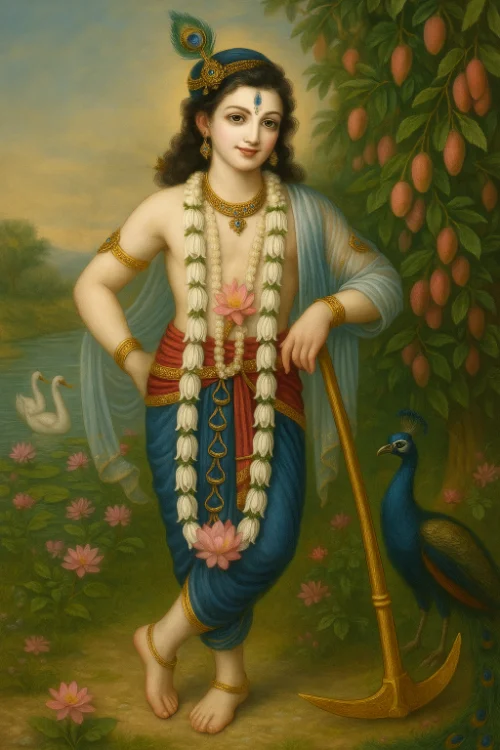
Mahābhārata - Shalya Parva
Chapter 37 - The history of the Tirthas Vinashana, Gargashrota, Shakuha, Subhumika
वैशम्पायन उवाच
ततो विनशनं राजन् जगामाथ हलायुधः ।
शूद्राभीरान् प्रति द्वेषाद् यत्र नष्टा सरस्वती ॥१॥
तस्मात् तु ऋषयो नित्यं प्राहुर्विनशनेति च ।
vaiśampāyana uvāca
tato vinaśanaṃ rājan jagāmātha halāyudhaḥ |
śūdrābhīrān prati dveṣād yatra naṣṭā sarasvatī ||1||
tasmāt tu ṛṣayo nityaṃ prāhurvinaśaneti ca |
Vaishampayana said
Then, O King, Baladeva proceeded towards Vināśana, the sacred place where the Sarasvatī River disappears. Because of her hostility towards the Śūdras and Ābhīras, the Sarasvatī river vanished at that place.
Since then the sages have always referred to this sacred place as ‘Vināśana, the place of disappearance.
तत्राप्युपस्पृश्य बल: सरस्वत्यां महाबलः ॥ २॥
सूभूमिकं ततोऽगच्छत् सरस्वत्यास्तटे वरे ।
tatrāpyupaspṛśya bala: sarasvatyāṃ mahābalaḥ || 2||
sūbhūmikaṃ tato’gacchat sarasvatyāstaṭe vare |
After bathing in the Sarasvati tirtha, the powerful Baladeva went to Subhūmika, situated on the excellent bank of the same river.
तत्र चाप्सरसः शुभ्रा नित्यकालमतन्द्रिताः ॥ ३ ॥
क्रीडाभिर्विमलाभिश्च क्रीडन्ति विमलाननाः ।
tatra cāpsarasaḥ śubhrā nityakālamatandritāḥ || 3 ||
krīḍābhirvimalābhiśca krīḍanti vimalānanāḥ |
There, many fair-complexioned and beautiful-faced Apsaras are constantly engaged in innocent pastimes.
तत्र देवाः सगन्धर्वा मासि मासि जनेश्वर ॥ ४॥
अभिगच्छन्ति तत् तीर्थं पुण्यं ब्राह्मणसेवितम् ।
tatra devāḥ sagandharvā māsi māsi janeśvara || 4||
abhigacchanti tat tīrthaṃ puṇyaṃ brāhmaṇasevitam |
Every month, O king, the celestials, and the Gandharvas go to that sacred shrine, which is the resort of Brahman himself.
तत्रादृश्यन्त गन्धर्वास्तथैवाप्सरसां गणाः ॥ ५ ॥
समेत्य सहिता राजन् यथाप्राप्तं यथासुखम्।
tatrādṛśyanta gandharvāstathaivāpsarasāṃ gaṇāḥ || 5 ||
sametya sahitā rājan yathāprāptaṃ yathāsukham|
The Gandharvas and various clans of Apsaras are to be seen there, O king, passing their days happily.
तत्र मोदन्ति देवाश्च पितरश्च सवीरुधः ॥ ६ ॥
पुण्यैः पुष्पैः सदा दिव्यैः कीर्यमाणाः पुनः पुनः ।
tatra modanti devāśca pitaraśca savīrudhaḥ || 6 ||
puṇyaiḥ puṣpaiḥ sadā divyaiḥ kīryamāṇāḥ punaḥ punaḥ |
There, the gods and ancestors rejoice, along with the trees and plants, continuously showered with auspicious and divine flowers again and again.
आक्रीडभूमिः सा राजंस्तासामप्सरसां शुभा ॥७॥
सुभूमिकेति विख्याता सरस्वत्यास्तटे वरे ।
ākrīḍabhūmiḥ sā rājaṃstāsāmapsarasāṃ śubhā ||7||
subhūmiketi vikhyātā sarasvatyāstaṭe vare |
There, all the creepers are covered with flowers. And because O king, that spot is the beautiful sporting ground of those Apsaras, that shrine on the charming bank of the Sarasvati is called Subhūmika.
तत्र स्नात्वा च दत्त्वा च वसु विप्राय माधवः ॥ ८॥
श्रुत्वा गीतं च तद् दिव्यं वादित्राणां च निःस्वनम् ।
tatra snātvā ca dattvā ca vasu viprāya mādhavaḥ || 8||
śrutvā gītaṃ ca tad divyaṃ vāditrāṇāṃ ca niḥsvanam |
There, having bathed and offered wealth to a Brāhmaṇa, Mādhava listened to that divine song and the melodious sounds of musical instruments.
छायाश्च विपुला दृष्ट्वा देवगन्धर्वरक्षसाम् ॥ ९ ॥
गन्धर्वाणां ततस्तीर्थमागच्छद् रोहिणीसुतः ।
chāyāśca vipulā dṛṣṭvā devagandharvarakṣasām || 9 ||
gandharvāṇāṃ tatastīrthamāgacchad rohiṇīsutaḥ |
Having seen the vast shadows of the gods, Gandharvas, and Rakshasas, thereafter, the son of Rohiṇī (Balarāma) arrived at the sacred pilgrimage site of the Gandharvas.
विश्वावसुमुखास्तत्र गन्धर्वास्तपसान्विताः॥१०॥
नृत्यवादित्रगीतं च कुर्वन्ति सुमनोरमम् ।
viśvāvasumukhāstatra gandharvāstapasānvitāḥ||10||
nṛtyavāditragītaṃ ca kurvanti sumanoramam |
There are many Gandharvas, headed by Vishvavasu and possessed of ascetic merit, who pass their time dancing and singing many sweet songs.
तत्र दत्त्वा हलधरो विप्रेभ्यो विविधं वसु ॥ ११ ॥
अजाविकं गोखरोष्ट्रं सुवर्ण रजतं तथा ।
tatra dattvā haladharo viprebhyo vividhaṃ vasu || 11 ||
ajāvikaṃ gokharoṣṭraṃ suvarṇa rajataṃ tathā |
There, Haladhara (Balarāma) gave various kinds of wealth to the Brahmins, including goats, sheep, cows, donkeys, camels, gold, and silver.
भोजयित्वा द्विजान् कामैः संतर्प्य च महाधनैः ॥ १२ ॥
प्रययौ सहितो विप्रैः स्तूयमानश्च माधवः ।
bhojayitvā dvijān kāmaiḥ saṃtarpya ca mahādhanaiḥ || 12 ||
prayayau sahito vipraiḥ stūyamānaśca mādhavaḥ |
And feeding many Brahmanas and satisfying them with many rich gifts as they desired, Baladeva, of Madhu's race, left that place accompanied by many Brahmanas and praised by them.
तस्माद् गन्धर्वतीर्थाच्च महाबाहुररिंदमः ॥ १३ ॥
गर्गस्रोतो महातीर्थमाजगामैककुण्डली ।
tasmād gandharvatīrthācca mahābāhurariṃdamaḥ || 13 ||
gargasroto mahātīrthamājagāmaikakuṇḍalī |
From there, the mighty-armed and enemy-destroying Lord Balarāma departed from Gandharva-Tīrtha and arrived at the great holy site of Garga-Srotaḥ, wearing a single earring.
तत्र गर्गेण वृद्धेन तपसा भावितात्मना ॥ १४ ॥
कालज्ञानगतिश्चैव ज्योतिषां च व्यतिक्रमः ।
उत्पाता दारुणाश्चैव शुभाश्च जनमेजय ॥ १५ ॥
सरस्वत्या शुभे तीर्थे विदिता वै महात्मना ।
tatra gargeṇa vṛddhena tapasā bhāvitātmanā || 14 ||
kālajñānagatiścaiva jyotiṣāṃ ca vyatikramaḥ |
utpātā dāruṇāścaiva śubhāśca janamejaya || 15 ||
sarasvatyā śubhe tīrthe viditā vai mahātmanā |
There, by the aged Garga, whose soul was purified through penance, knowledge of time and mastery over astrology were attained. O Janamejaya, both fearsome omens and auspicious signs were understood by that great soul. This sacred knowledge was revealed at the auspicious tīrtha on the Sarasvatī River by the great sage.
तस्य नाम्ना च तत् तीर्थं गर्गस्रोत इति स्मृतम् ॥ १६ ॥
तत्र गर्गं महाभागमृषयः सुव्रता नृप ।
उपासांचक्रिरे नित्यं कालज्ञानं प्रति प्रभो ।। १७ ॥
tasya nāmnā ca tat tīrthaṃ gargasrota iti smṛtam || 16 ||
tatra gargaṃ mahābhāgamṛṣayaḥ suvratā nṛpa |
upāsāṃcakrire nityaṃ kālajñānaṃ prati prabho || 17 ||
That sacred place became known by his name and is remembered as Garga-Srotaḥ. There, O King, the highly fortunate sage Garga was constantly worshiped by the righteous sages for his knowledge of time, O Lord
तत्र गत्वा महाराज बलः श्वेतानुलेपनः ।
विधिवद्धि धनं दत्त्वा मुनीनां भावितात्मनाम् ॥ १८ ॥
tatra gatvā mahārāja balaḥ śvetānulepanaḥ |
vidhivaddhi dhanaṃ dattvā munīnāṃ bhāvitātmanām || 18 ||
Besmeared with white sandal paste, O king, Baladeva, going to that tirtha, duly distributed wealth amongst many ascetics of pure souls.
उच्चावचांस्तथा भक्ष्यान् विप्रेभ्यो विप्रदाय सः ।
नीलवासास्तदागच्छच्छङ्घतीर्थं महायशाः॥१९॥
uccāvacāṃstathā bhakṣyān viprebhyo vipradāya saḥ |
nīlavāsāstadāgacchacchaṅghatīrthaṃ mahāyaśāḥ||19||
Having distributed also many sorts of rich food amongst the Brahmanas, that illustrious one, clad in blue robes, then went to the tīrtha called Shankha.
तत्रापश्यन्महाशङ्खं महामेरुमिवोच्छ्रितम् ।
श्वेतपर्वतसंकाशमृषिसंघैर्निषेवितम् ॥ २० ॥
सरस्वत्यास्तटे जातं नगं तालध्वजो बली ।
tatrāpaśyanmahāśaṅkhaṃ mahāmerumivocchritam |
śvetaparvatasaṃkāśamṛṣisaṃghairniṣevitam || 20 ||
sarasvatyāstaṭe jātaṃ nagaṃ tāladhvajo balī |
There, Balarāma beheld the great tree Mahāśaṅkha, rising lofty like Mahāmeru. It shone as brilliantly as the Śveta-Parvata, and was revered by assemblies of sages.
This gigantic tree, with a banner of tāla leaves, had grown on the banks of the Sarasvatī River.
यक्षा विद्याधराश्चैव राक्षसाश्चामितौजसः ॥ २१ ॥
पिशाचाश्चामितबला यत्र सिद्धाः सहस्रशः ।
yakṣā vidyādharāścaiva rākṣasāścāmitaujasaḥ || 21 ||
piśācāścāmitabalā yatra siddhāḥ sahasraśaḥ |
There, countless Yakṣas and Vidyādharas were present, along with the Rakṣasas, possessing immeasurable strength.
Also, innumerable Piśācas, beings of immense power, and thousands of Siddhas resided there.
ते सर्वे ह्यशनं त्यक्त्वा फलं तस्य वनस्पतेः ॥ २२ ॥
व्रतैश्च नियमैश्चैव काले काले स्म भुञ्जते ।
प्राप्तैश्च नियमैस्तैस्तैर्विचरन्तः पृथक् पृथक् ॥ २३ ॥
अदृश्यमाना मनुजैर्व्यचरन् पुरुषर्षभ ।
एवं ख्यातो नरव्याघ्र लोकेऽस्मिन् स वनस्पतिः ॥ २४ ॥
te sarve hyaśanaṃ tyaktvā phalaṃ tasya vanaspateḥ || 22 ||
vrataiśca niyamaiścaiva kāle kāle sma bhuñjate |
prāptaiśca niyamaistaistairvicarantaḥ pṛthak pṛthak || 23 ||
adṛśyamānā manujairvyacaran puruṣarṣabha |
evaṃ khyāto naravyāghra loke’smin sa vanaspatiḥ || 24 ||
Desisting from other kinds of food, all of them observe vows and regulations and take at the proper time the fruits of that king of the forest for their sustenance and rove separately unseen by men, O foremost of men. That monarch of the forest, O king, is celebrated worldwide.
ततस्तर्थं सरस्वत्याः पावनं लोकविश्रुतम् ।
तस्मिंश्च यदुशार्दूलो दत्त्वा तीर्थे पयस्विनीः ॥ २५ ॥
ताम्रायसानि भाण्डानि वस्त्राणि विविधानि च।
पूजयित्वा द्विजांश्चैव पूजितश्च तपोधनैः ॥ २६ ॥
tatastarthaṃ sarasvatyāḥ pāvanaṃ lokaviśrutam |
tasmiṃśca yaduśārdūlo dattvā tīrthe payasvinīḥ || 25 ||
tāmrāyasāni bhāṇḍāni vastrāṇi vividhāni ca|
pūjayitvā dvijāṃścaiva pūjitaśca tapodhanaiḥ || 26 ||
That tree is the cause of this tirtha. Having given away many milch cows, vessels of copper and iron, and diverse sorts of other vessels, that foremost Yadu's race, Baladeva, having the plow for his weapon, worshipped the Brahmanas and was adored by them in return.
पुण्यं द्वैतवनं राजन्नाजगाम हलायुधः ।
तत्र गत्वा मुनीन् दृष्ट्वा नानावेषधरान् बलः ॥ २७॥
puṇyaṃ dvaitavanaṃ rājannājagāma halāyudhaḥ |
tatra gatvā munīn dṛṣṭvā nānāveṣadharān balaḥ || 27||
O King, Halāyudhaḥ, the wielder of the plow then arrived at the sacred Dvaita Forest. There, he saw the sages, who were adorned in various forms of attire.
आप्लुत्य सलिले चापि पूजयामास वै द्विजान् ।
तथैव दत्त्वा विप्रेभ्यः परिभोगान् सुपुष्कलान् ॥ २८॥
ततः प्रायाद् बलो राजन् दक्षिणेन सरस्वतीम् ।
āplutya salile cāpi pūjayāmāsa vai dvijān |
tathaiva dattvā viprebhyaḥ paribhogān supuṣkalān || 28||
tataḥ prāyād balo rājan dakṣiṇena sarasvatīm |
Balarāma bathed in the sacred waters and then worshiped the brāhmaṇas. Likewise, He gave abundant offerings to the brāhmaṇas. Then, O King, Balarāma departed along the southern bank of the Sarasvatī.
गत्वा चैवं महाबाहुर्नातिदूरे महायशाः ॥ २९ ॥
धर्मात्मा नागधन्वानं तीर्थमागमदच्युतः ।
gatvā caivaṃ mahābāhurnātidūre mahāyaśāḥ || 29 ||
dharmātmā nāgadhanvānaṃ tīrthamāgamadacyutaḥ |
The mighty-armed and illustrious Rama, of pure soul and unmitigated glory, then proceeded to the tirtha called Nāgadhanvāna.
यत्र पन्नगराजस्य वासुकेः संनिवेशनम् ॥ ३० ॥
महाद्युतेर्महाराज बहुभिः पन्नगैर्वृतम् ।
ऋषीणां हि सहस्राणि यत्र नित्यं चतुर्दश ॥ ३१ ॥
yatra pannagarājasya vāsukeḥ saṃniveśanam || 30 ||
mahādyutermahārāja bahubhiḥ pannagairvṛtam |
ṛṣīṇāṃ hi sahasrāṇi yatra nityaṃ caturdaśa || 31 ||
Abounding with snakes, O king, it was the abode of the highly effulgent Vasuki, the king of serpents. That brilliant and powerful site was surrounded by numerous serpents. There fourteen thousand Rishis also lived permanently.
यत्र देवाः समागम्य वासुकिं पन्नगोत्तमम् ।
सर्वपन्नगराजानमभ्यषिञ्चन् यथाविधि ॥ ३२ ॥
पन्नगेभ्यो भयं तत्र विद्यते न स्म पौरव ।
yatra devāḥ samāgamya vāsukiṃ pannagottamam |
sarvapannagarājānamabhyaṣiñcan yathāvidhi || 32 ||
pannagebhyo bhayaṃ tatra vidyate na sma paurava |
Having come there in days of yore, the celestials had, according to due rites, installed the great snake Vasuki as king of all the snakes. There is no fear of snakes in that place O you of Kuru's race.
तत्रापि विधिवद्दत्त्वा विप्रेभ्यो रत्नसंचयान् ॥ ३३॥
प्रायात् प्राचीं दिशं तत्र तत्र तीर्थान्यनेकशः ।
सहस्रशतसंख्यानि प्रथितानि पदे पदे ॥ ३४ ॥
tatrāpi vidhivaddattvā viprebhyo ratnasaṃcayān || 33||
prāyāt prācīṃ diśaṃ tatra tatra tīrthānyanekaśaḥ |
sahasraśatasaṃkhyāni prathitāni pade pade || 34 ||
After duly distributing many valuable articles amongst the Brahmanas, Baladeva set out with a face towards the east and reached hundreds and thousands of celebrated tirthas situated all around one after another.
आप्लुत्य तत्र तीर्थेषु यथोक्तं तत्र चर्षिभिः ।
कृत्वोपवासनियमं दत्त्वा दानानि सर्वशः ॥ ३५ ॥
अभिवाद्य मुनींस्तान् वै तत्र तीर्थनिवासिनः ।
उद्दिष्टमार्गः प्रययौ यत्र भूयः सरस्वती ॥ ३६ ॥
प्राडमुखं वै निववतै वृष्टिर्वातहता यथा ।
ऋषीणां नैमिषयाणामवेक्षार्थं महात्मनाम् ॥ ३७॥
āplutya tatra tīrtheṣu yathoktaṃ tatra carṣibhiḥ |
kṛtvopavāsaniyamaṃ dattvā dānāni sarvaśaḥ || 35 ||
abhivādya munīṃstān vai tatra tīrthanivāsinaḥ |
uddiṣṭamārgaḥ prayayau yatra bhūyaḥ sarasvatī || 36 ||
prāḍamukhaṃ vai nivavatai vṛṣṭirvātahatā yathā |
ṛṣīṇāṃ naimiṣayāṇāmavekṣārthaṃ mahātmanām || 37||
Bathing in all those tirthas and observing fasts and other vows as sanctioned by the Rishis given away immense riches and saluting all the ascetics who lived there, Baladeva once more set out, along the way pointed out to him by those ascetics for reaching that spot where the Sarasvati turns in an eastward direction like torrents of rain bent by the velocity of the storm. The river took that course to see the great Rishis dwelling in the forest of Naimisha.
निवृत्तां तां सरिच्छ्रेष्टां तत्र दृष्ट्वा तु लाङ्गली ।
बभूव विस्मितो राजन् बलः श्वेतानुलेपनः॥३८॥
nivṛttāṃ tāṃ saricchreṣṭāṃ tatra dṛṣṭvā tu lāṅgalī |
babhūva vismito rājan balaḥ śvetānulepanaḥ||38||
Always smeared with white sandal paste, Vala, having the plow for his weapon and seeing that great river change her course, was O king, filled with wonder.
जनमेजय उवाच
कस्मात् सरस्वती ब्रह्मन् निवृत्ता प्राडमुखीभवत् ।
व्याख्यातमेतदिच्छामि सर्वमध्वर्युसत्तम ॥ ३९ ॥
janamejaya uvāca
kasmāt sarasvatī brahman nivṛttā prāḍamukhībhavat |
vyākhyātametadicchāmi sarvamadhvaryusattama || 39 ||
Janamejaya said "Why, O Brahmana, did the Sarasvati bend her course there towards the east? O best of Adhvaryus, you should tell me everything regarding this.
कस्मिंश्चित् कारणे तत्र विस्मितो यदुनन्दनः ।
निवृत्ता हेतुना केन कथमेव सरिद्वरा ॥ ४० ॥
kasmiṃścit kāraṇe tatra vismito yadunandanaḥ |
nivṛttā hetunā kena kathameva saridvarā || 40 ||
Why was that delighter of the Yadus filled with wonder? Why did that best of rivers thus change her course."
वैशम्पायन उवाच
पूर्वं कृतयुगे राजन् नैमिषेयास्तपस्विनः ।
वर्तमाने सुविपुले सत्रे द्वादशवार्षिके ॥ ४१ ॥
vaiśampāyana uvāca
pūrvaṃ kṛtayuge rājan naimiṣeyāstapasvinaḥ |
vartamāne suvipule satre dvādaśavārṣike || 41 ||
Vaishampayana said "Formerly, in the Satya Yuga, O king, the ascetics living in Naimisha were engaged in a great sacrifice extending for twelve years.
ऋषयो बहवो राजंस्तत् सत्रमभिपेदिरे ।
उषित्वा च महाभागास्तस्मिन् सत्रे यथाविधि ॥ ४२॥
निवृत्ते नैमिषेये वै सत्रे द्वादशवार्षिके ।
आजग्मुर्ऋषयस्तत्र वहवस्तीर्थकारणात्॥४३॥
ṛṣayo bahavo rājaṃstat satramabhipedire |
uṣitvā ca mahābhāgāstasmin satre yathāvidhi || 42||
nivṛtte naimiṣeye vai satre dvādaśavārṣike |
ājagmurṛṣayastatra vahavastīrthakāraṇāt||43||
O King, numerous venerable Ṛṣis gathered at that great sacrifice, adhering diligently to the prescribed rites and rituals throughout its duration. These noble sages, endowed with immense spiritual merit, devoted themselves fully to the observances of the sacred ceremony.
When the grand twelve-year-long sacrificial rite at Naimiṣa concluded, those illustrious seers, driven by a desire for further spiritual merit, set out in great numbers. Seeking to sanctify themselves even further, they journeyed to visit the various revered sacred pilgrimage sites.
ऋषीणां बहुलत्वात्तु सरस्वत्या विशाम्पते ।
तीर्थानि नगरायन्ते कूले वै दक्षिणे तदा ॥ ४४ ॥
ṛṣīṇāṃ bahulatvāttu sarasvatyā viśāmpate |
tīrthāni nagarāyante kūle vai dakṣiṇe tadā || 44 ||
Because of the number of the Rishis, O king, the tirthas on the southern banks of the Sarasvati, they looked like towns and cities.
समन्तपञ्चकं यावत्तावत्ते द्विजसत्तमाः ।
तीर्थ लोभान्नरव्याघ्र नद्यास्तीरं समाश्रिताः ॥ ४५॥
samantapañcakaṃ yāvattāvatte dvijasattamāḥ |
tīrtha lobhānnaravyāghra nadyāstīraṃ samāśritāḥ || 45||
Those foremost of Brahmanas, O foremost of men, being anxious to enjoy the merits of tirthas, took up their abodes on the bank of the river up to Samantapanchaka.
जुह्वतां तत्र तेषां तु मुनीनां भावितात्मनाम् ।
स्वाध्यायेनातिमहता बभूवुः पूरिता दिशः ॥ ४६ ॥
juhvatāṃ tatra teṣāṃ tu munīnāṃ bhāvitātmanām |
svādhyāyenātimahatā babhūvuḥ pūritā diśaḥ || 46 ||
The whole region was filled with loud Vedic recitations by Rishis of pure souls pouring libations of sacrificial fire.
अग्निहोत्रैस्तस्ततेषां क्रियमाणैर्महात्मनाम् ।
अशोभत सरिच्छ्रेष्टा दीप्यमानैः समन्ततः ॥ ४७ ॥
agnihotraistastateṣāṃ kriyamāṇairmahātmanām |
aśobhata saricchreṣṭā dīpyamānaiḥ samantataḥ || 47 ||
That best of rivers shone highly beautiful with those burning homa fires, over which those great ascetics poured libations of clarified butter.
वालखिल्या महाराज अश्मकुट्टाश्च तापसाः ।
दन्तोलूखलिनश्चान्ये प्रसंख्यानास्तथा परे ॥ ४८ ॥
वायुभक्षा जलाहाराः पर्णभक्षाश्च तापसाः ।
नानानियमयुक्ताश्च तथा स्थण्डिलशायिनः ॥ ४९ ॥
आसन् वै मुनयस्तत्र सरस्वत्याः समीपतः ।
शोभयन्तः सरिच्छ्रेष्ठां गङ्गामिव दिवौकसः ॥ ५० ॥
vālakhilyā mahārāja aśmakuṭṭāśca tāpasāḥ |
dantolūkhalinaścānye prasaṃkhyānāstathā pare || 48 ||
vāyubhakṣā jalāhārāḥ parṇabhakṣāśca tāpasāḥ |
nānāniyamayuktāśca tathā sthaṇḍilaśāyinaḥ || 49 ||
āsan vai munayastatra sarasvatyāḥ samīpataḥ |
śobhayantaḥ saricchreṣṭhāṃ gaṅgāmiva divaukasaḥ || 50 ||
O Great King, there resided the Vālakhilya sages and the Aśmakuṭṭa ascetics. Others were the Dantolūkhalina sages, who used only their teeth as mortars for grinding food, while others were Prasaṅkhyāna ascetics, engaged in deep meditative contemplation.
Some sustained themselves only on air, some lived only on water, others ate leaves, and many were austere ascetics, following various strict vows and sleeping on bare ground.
These great sages dwelled there, near the Sarasvatī River, adorning the greatest of rivers, just as the Devas glorify the Ganges in heaven.
शतशश्च समापेतुर्ऋषयः सत्रयाजिनः ।
तेऽवकाशं न ददृशुः सरस्वत्या महाव्रताः ॥ ५१॥
śataśaśca samāpeturṛṣayaḥ satrayājinaḥ |
te’vakāśaṃ na dadṛśuḥ sarasvatyā mahāvratāḥ || 51||
Hundreds upon hundreds of ṛṣis, who were performers of long sacrificial rites, gathered there at the Sarasvatī River. Those great ascetics found no space along the riverbanks due to the vast number of sages already present.
ततो यज्ञोपवीतैस्ते तत्तीर्थं निर्मिमाय वै।
जुहुवुश्चाग्निहोत्रांश्च चक्रुश्च विविधाः क्रियाः ॥ ५२ ॥
tato yajñopavītaiste tattīrthaṃ nirmimāya vai|
juhuvuścāgnihotrāṃśca cakruśca vividhāḥ kriyāḥ || 52 ||
Measuring small plots of land with their sacred threads, they celebrated Agnihotras and other rites.
ततस्तमऋषिसंघातं निराशं चिन्तयान्वितम् ।
दर्शयामास राजेन्द्र तेषामर्थे सरस्वती ॥५३॥
tatastamṛṣisaṃghātaṃ nirāśaṃ cintayānvitam |
darśayāmāsa rājendra teṣāmarthe sarasvatī ||53||
The river Sarasvati saw O king, those Rishis filled with despair and anxiety for want of a commodious tirtha to perform their rites.
ततः कुञ्जान् बहून कृत्वा संनिवृत्ता सरस्वती ।
ऋषीणां पुण्यतपसां कारुण्याज्जनमेजय ॥५४॥
tataḥ kuñjān bahūna kṛtvā saṃnivṛttā sarasvatī |
ṛṣīṇāṃ puṇyatapasāṃ kāruṇyājjanamejaya ||54||
Then, O Janamejaya, the Sarasvatī River turned back, creating many sacred groves. Out of compassion for the sages who were engaged in holy penance.
ततो निवृत्य राजेन्द्र तेषामर्थे सरस्वती ।
भूयः प्रतीच्यभिमुखी प्रसुस्राव सरिद्वरा ।। ५५॥
अमोघा गमनं कृत्वा तेषां भूयो व्रजाम्यहम् ।
इत्युद्भुतं महच्चक्रे तदा राजन् महानदी ॥५६॥
tato nivṛtya rājendra teṣāmarthe sarasvatī |
bhūyaḥ pratīcyabhimukhī prasusrāva saridvarā || 55||
amoghā gamanaṃ kṛtvā teṣāṃ bhūyo vrajāmyaham |
ityudbhutaṃ mahaccakre tadā rājan mahānadī ||56||
O King, the Sarasvatī River turned back for the sages' sake. And then again, She flowed westward, that great and sacred river. Declaring—“I have changed my course for their sake, now I shall move forward again.”
Thus, that great river performed an astonishing and wondrous act, O King.
एवं स कुञ्जो राजन् वै नैमिषीय इति स्मृतः ।
कुरुश्रेष्ठ कुरुक्षेत्रे कुरुष्व महतीं क्रियाम् ॥५७॥
तत्र कुञ्जान् बहून दृष्ट्वा निवृत्तां च सरस्वतीम् ।
बभूव विस्मयस्तत्र रामस्याथ महात्मनः ।। ५८ ।।
evaṃ sa kuñjo rājan vai naimiṣīya iti smṛtaḥ |
kuruśreṣṭha kurukṣetre kuruṣva mahatīṃ kriyām ||57||
tatra kuñjān bahūna dṛṣṭvā nivṛttāṃ ca sarasvatīm |
babhūva vismayastatra rāmasyātha mahātmanaḥ || 58 ||
Thus, O King, that sacred grove became known as the Naimiṣa Grove. O best of the Kurus, perform a great ritual at Kurukṣetra. Upon seeing the many sacred groves and the Sarasvatī River’s return, that great soul, Rāma, felt great wonder at that miraculous sight.
उपस्पृश्य तु तत्रापि विधिवद् यदुनन्दनः ।
दत्त्वा दायान् द्विजातिभ्यो भाण्डानि विविधानि च ॥५९॥
भक्ष्यं भोज्यं च विविधं ब्राह्मणेभ्यः प्रदाय च।
ततः प्रायाद् बलो राजन् पूज्यमानो द्विजातिभिः ॥ ६०॥
सरस्वतीतीर्थवरं नानाद्विजगणायुतम् ।
बलरेडगुदकाश्मर्यप्लक्षाश्वत्यबिभीतकैः ॥ ६१ ॥
कङ्कोलैश्च पलाशैश्च करीरैः पीलुभिस्तथा ।
सरस्वतीतीर्थरुहैस्तरुभिर्विविधैस्तथा ।। ६२ ।।
upaspṛśya tu tatrāpi vidhivad yadunandanaḥ |
dattvā dāyān dvijātibhyo bhāṇḍāni vividhāni ca ||59||
bhakṣyaṃ bhojyaṃ ca vividhaṃ brāhmaṇebhyaḥ pradāya ca|
tataḥ prāyād balo rājan pūjyamāno dvijātibhiḥ || 60||
sarasvatītīrthavaraṃ nānādvijagaṇāyutam |
balareḍagudakāśmaryaplakṣāśvatyabibhītakaiḥ || 61 ||
kaṅkolaiśca palāśaiśca karīraiḥ pīlubhistathā |
sarasvatītīrtharuhaistarubhirvividhaistathā || 62 ||
Bathing in those tirthas duly and distributing wealth and various other enjoyment amongst the Brahmanas, that delighter of Yadu's race also gave them different kinds of food and desirable articles. Adored by those Rishis, Vala, O king, left that foremost of all tirthas on the Sarasvati.
That supreme tīrtha of Sarasvatī, filled with thousands of Brāhmaṇas, was surrounded by various sacred trees, including Balareda, Gudaka, Aśmarī, Plakṣa, Aśvattha, and Bibhitaka.
Also present were Kaṅkola, Palāśa, Karīra, and Pīlu trees. The Sarasvatī Tīrtha was surrounded by these and various other sacred trees.
करूपकवरैश्चैव बिल्वैराम्रातकैस्तथा ।
अतिमुक्तकपण्डैश्च पारिजातैश्च शोभितम् ॥ ६३ ॥
karūpakavaraiścaiva bilvairāmrātakaistathā |
atimuktakapaṇḍaiśca pārijātaiśca śobhitam || 63 ||
That holy Sarasvatī Tīrtha was adorned with Karūpaka flowers, Vara flowers, as well as Bilva and Āmrātaka trees.
It was also embellished with Atimuktaka blossoms and the heavenly Pārijāta flowers.
कदलीवनभूयिष्ठं दृष्टिकान्तं मनोहरम् ।
वाय्वम्बुफलपर्णादैर्दन्तोलूखलिकैरपि ।। ६४ ।।
तथाश्मकुट्टैर्वानेयैर्मुनिभिर्बहुभिर्वृतम्।
स्वाध्यायघोषसंघुष्टं मृगयूथशताकुलम्।। ६५ ।।
kadalīvanabhūyiṣṭhaṃ dṛṣṭikāntaṃ manoharam |
vāyvambuphalaparṇādairdantolūkhalikairapi || 64 ||
tathāśmakuṭṭairvāneyairmunibhirbahubhirvṛtam|
svādhyāyaghoṣasaṃghuṣṭaṃ mṛgayūthaśatākulam|| 65 ||
That sacred region was filled with banana groves, pleasing to the eyes and charming to the heart. It was enriched with wind, water, fruits, and leaves, and inhabited by austere sages.
It was also home to stone-grinding ascetics and forest-dwelling sages.
The air was filled with the resonance of vedic recitation, while hundreds of herds of deer roamed freely.
अहिंस्त्रैर्धर्मपरमैर्नृभिपत्यर्थसेवितम् ।
सप्तसारस्वतं तीर्थमाजगाम हलायुधः ॥ ६६ ॥
यत्र मङ्कुणकंः सिद्धस्तपस्तेपे महामुनिः॥६७॥
ahiṃstrairdharmaparamairnṛbhipatyarthasevitam |
saptasārasvataṃ tīrthamājagāma halāyudhaḥ || 66 ||
yatra maṅkuṇakaṃḥ siddhastapastepe mahāmuniḥ||67||
There dwelled non-violent, dharmic ascetics, engaged in selfless service. Thus, Balarāma arrived at the sacred site, known as Saptasārasvata Tīrtha .
There, in that sacred place, the great sage Maṅkuṇaka had performed intense penance and achieved great spiritual power.
Full Synopsis of The history of the Tirthas Vinashana, Gargashrota, Shakuha, Subhumika
Baladeva, the mighty brother of Kṛṣṇa and wielder of the plow, continued his pilgrimage along the sacred Sarasvatī River, visiting the revered site of Vināśana, where the river vanishes due to her displeasure toward the Śūdras and Ābhīras. From there, he journeyed to the idyllic tirtha of Subhūmikā, famed for its celestial Apsaras and the presence of gods, Gandharvas, and blooming divine flora. Worshiping Brāhmaṇas and bestowing abundant gifts, Baladeva proceeded to the Gandharva-Tīrtha and then to Garga-Srotaḥ, sanctified by the sage Garga’s teachings on astrology and time.
At the tirtha of Śaṅkha, Baladeva encountered the massive and sacred Mahāśaṅkha tree, surrounded by Yakṣas, Piśācas, Siddhas, and others who lived unseen, nourished by its fruits. Continuing his journey, he reached Dvaita forest, where he again worshiped the sages and bathed in the Sarasvatī, offering various alms before departing southward.
He then reached Nāgadhanvāna, home to Vasuki, the king of serpents, and many thousands of ascetic ṛṣis. After honoring this holy land, Baladeva visited countless tirthas, offering wealth and paying homage to the sages, following their guidance toward a remarkable sight: the eastward bend of the Sarasvatī River.
This miraculous deviation of the river occurred in the Satya Yuga, when thousands of sages, having concluded a twelve-year yajña in Naimiṣa, found no space along the banks for their rites. Compassionate, Sarasvatī turned back to create sacred groves and spaces for them, astonishing the seers and earning their veneration. Baladeva marveled at this divine act and continued to honor the place.
The region was richly adorned with sacred trees, flowers, and ascetic dwellings. Brāhmaṇas chanted the Vedas; deer wandered freely, and sages practiced selfless discipline. Among these places, the Saptasārasvata Tīrtha stood out as especially revered, where the sage Maṅkuṇaka had performed intense tapas and achieved spiritual greatness.
Thus, the great hero of the Yadus, ever devoted to dharma, continued his sacred journey with reverence, charity, and wonder, sanctifying every tirtha he visited with his presence and offerings.