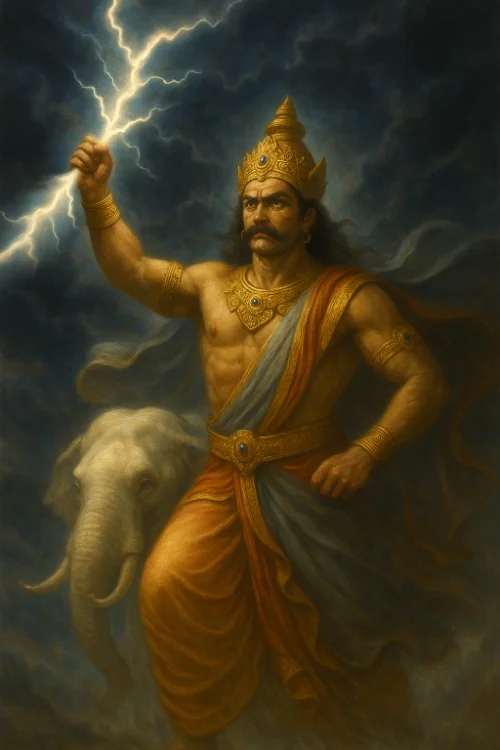
Mahābhārata - Shalya Parva
Chapter 43 - The History of Indra's Curse and Expiation
वैशम्पायन उवाच
सा शप्ता तेन क्रुद्धेन विश्वामित्रेण धीमता ।
तस्मिंस्तीर्थवरे शुभ्रे शोणितं समुपावहत् ॥ १ ॥
vaiśampāyana uvāca
sā śaptā tena kruddhena viśvāmitreṇa dhīmatā |
tasmiṃstīrthavare śubhre śoṇitaṃ samupāvahat || 1 ||
Vaishampāyana said "Cursed by the intelligent Vishvamitra in anger, Sarasvati, in that sacred and best of tirthas, flowed in bloody current.
अथाजग्मुस्ततो राजन् राक्षसास्तत्र भारत ।
तत्र ते शोणितं सर्वे पिवन्तः सुखमासते ॥ २ ॥
athājagmustato rājan rākṣasāstatra bhārata |
tatra te śoṇitaṃ sarve pivantaḥ sukhamāsate || 2 ||
Then, O King, the Rakshasas arrived there. They all drank the blood flowing in the river and dwelled there happily.
तृप्ताश्च सुभृशं तेन सुखिता विगतज्वराः ।
नृत्यन्तश्च हसन्तश्च यथा स्वर्गजितस्तथा ॥ ३ ॥
tṛptāśca subhṛśaṃ tena sukhitā vigatajvarāḥ |
nṛtyantaśca hasantaśca yathā svargajitastathā || 3 ||
Highly pleased with that blood, cheerfully and without anxiety of any kind, they danced and laughed there like persons that have (by virtue) attained heaven.
कस्यचित् त्वथ कालस्य ऋषयः सुतपोधनाः ।
तीर्थयात्रां समाजग्मुः सरस्वत्यां महीपते ॥ ४ ॥
kasyacit tvatha kālasya ṛṣayaḥ sutapodhanāḥ |
tīrthayātrāṃ samājagmuḥ sarasvatyāṃ mahīpate || 4 ||
After some time, O King, great sages of intense austerities came together for a pilgrimage along the Sarasvati river.
तेषु सर्वेषु तीर्थेषु स्वाप्लुत्य मुनिपुङ्गवाः ।
प्राप्य प्रीति परां चापि तपोलुब्धा विशारदाः ॥ ५ ॥
प्रर्हि ततो राजन् तेन तीर्थमसृग्वहम्।
अथागम्य महाभागास्ततं तीर्थं दारुणं तदा ॥ ६ ॥
teṣu sarveṣu tīrtheṣu svāplutya munipuṅgavāḥ |
prāpya prīti parāṃ cāpi tapolubdhā viśāradāḥ || 5 ||
prarhi tato rājan tena tīrthamasṛgvaham|
athāgamya mahābhāgāstataṃ tīrthaṃ dāruṇaṃ tadā || 6 ||
The foremost sages, having bathed in all the holy waters, felt supreme joy, O King, being devoted to austerity and wisdom.
Then, O King, they reached that terrible blood-carrying tirtha, dreadful in its nature. When those great-souled Rishis arrived…
दृष्ट्वा तोयं सरस्वत्याः शोणितेन परिप्लुतम् ।
पीतमानं च रक्षोभिर्बहुभिर्नृपसत्तम ॥ ७ ॥
dṛṣṭvā toyaṃ sarasvatyāḥ śoṇitena pariplutam |
pītamānaṃ ca rakṣobhirbahubhirnṛpasattama || 7 ||
…they saw the waters of Sarasvatī, completely flooded with blood, and being drunk by many Rākṣasas, O best of kings!
तान् दृष्ट्वा राक्षसान् राजन् मुनयः संशितव्रताः ।
परित्राणे सरस्वत्याः परं यत्नं प्रचक्रिरे ॥ ८ ॥
tān dṛṣṭvā rākṣasān rājan munayaḥ saṃśitavratāḥ |
paritrāṇe sarasvatyāḥ paraṃ yatnaṃ pracakrire || 8 ||
Seeing those Rakshasas, O king, those ascetics of rigid vows tried much to rescue the Sarasvati from that condition.
ते तु सर्वे महाभागाः समागम्य महाव्रताः ।
आहूय सरितां श्रेष्ठामिदं वचनमब्रुवन् ॥ ९ ॥
कारणं ब्रूहि कल्याणि किमर्थं ते हृदो ह्ययम् ।
एवमाकुलतां यातः श्रुत्वा ध्यास्यामहे वयम्॥१०॥
te tu sarve mahābhāgāḥ samāgamya mahāvratāḥ |
āhūya saritāṃ śreṣṭhāmidaṃ vacanamabruvan || 9 ||
kāraṇaṃ brūhi kalyāṇi kimarthaṃ te hṛdo hyayam |
evamākulatāṃ yātaḥ śrutvā dhyāsyāmahe vayam||10||
Then all those great-souled sages, gathering together, firm in their vows, called upon the foremost of rivers and spoke these words:
"O auspicious one, tell us the reason why your waters have become like this. For what purpose has your waters fallen into such turmoil? Having heard it, we shall contemplate and find a solution."
ततः सा सर्वमाचष्ट यथावृत्तं प्रवेपती।
दुःखितामथ तां दृष्ट्वा ऊचुस्ते वै तपोधनाः ॥ ११॥
tataḥ sā sarvamācaṣṭa yathāvṛttaṃ pravepatī|
duḥkhitāmatha tāṃ dṛṣṭvā ūcuste vai tapodhanāḥ || 11||
Then she, trembling, told them everything as it had happened. Seeing her in such distress, those austere sages then spoke to her:
कारणं श्रुतमस्माभिः शापश्चैव श्रुतोऽनघे ।
करिष्यन्ति तु यत् प्राप्तं सर्वं एव तपोधनाः ॥ १२ ॥
kāraṇaṃ śrutamasmābhiḥ śāpaścaiva śruto’naghe |
kariṣyanti tu yat prāptaṃ sarvaṃ eva tapodhanāḥ || 12 ||
"We have heard the cause and also the curse, O sinless one. The ascetics will surely take every necessary action now."
एवमुक्त्वा सरिच्छ्रेष्टामूचुस्तेऽथ परस्परम् ।
विमोचयामहे सर्वे शापादेतां सरस्वतीम् ॥ १३ ॥
evamuktvā saricchreṣṭāmūcuste’tha parasparam |
vimocayāmahe sarve śāpādetāṃ sarasvatīm || 13 ||
Having spoken thus to the great river, they then addressed one another: "Let us all now liberate Sarasvatī from this curse."
सर्वे ब्राह्मणा राजंस्तपोभिर्नियमैस्तथा ।
उपवासैश्च विविधैर्यमैः कष्टव्रतैस्तथा ॥ १४ ॥
आराध्य पशुभर्तारं महादेवं जगत्पतिम् ।
तां देवीं मोक्षयामासुः सरिच्छ्रेष्ठां सरस्वतीम् ॥ १५ ॥
तेषां तु सा प्रभावेण प्रकृतिस्था सरस्वती ।
प्रसन्नसलिला जज्ञे यथापूर्वं तथैव हि ॥ १६ ॥
निर्मुक्ता च सरिच्छ्रेष्ठा विबभौ सा यथा पुरा ।
sarve brāhmaṇā rājaṃstapobhirniyamaistathā |
upavāsaiśca vividhairyamaiḥ kaṣṭavrataistathā || 14 ||
ārādhya paśubhartāraṃ mahādevaṃ jagatpatim |
tāṃ devīṃ mokṣayāmāsuḥ saricchreṣṭhāṃ sarasvatīm || 15 ||
teṣāṃ tu sā prabhāveṇa prakṛtisthā sarasvatī |
prasannasalilā jajñe yathāpūrvaṃ tathaiva hi || 16 ||
nirmuktā ca saricchreṣṭhā vibabhau sā yathā purā |
All the Brāhmaṇas, O King, with austerities and disciplines, through various fasts and severe vows, by restraints and great penances—they worshipped the lord of beings, Shiva Mahādeva, the lord of the world, and thereby liberated the great river, Sarasvatī, from her curse.
By the power of their penance, Sarasvatī returned to her natural state. Her waters again became pure and clear, just as they had been before.
Thus, freed from the curse, the great river shone once more, as splendid as in former times.
दृष्ट्वा तोयं सरस्वत्या मुनिभिस्तैस्तथा कृतम् ॥ १७ ॥
तानेव शरणं जग्मू राक्षसाः क्षुधितास्तथा ।
dṛṣṭvā toyaṃ sarasvatyā munibhistaistathā kṛtam || 17 ||
tāneva śaraṇaṃ jagmū rākṣasāḥ kṣudhitāstathā |
Seeing the waters of the Sarasvatī restored by the great sages, the famished Rākṣasas, afflicted by hunger, sought refuge with those very sages.
कृत्वाञ्जलिं ततो राजन् राक्षसाः क्षुधयाऽर्दिताः ॥ १८ ॥
ऊचुस्तान् वै मुनीन् सर्वान् कृपायुक्तान् पुनः पुनः।
वयं च क्षुधिताचैव धर्माद्धीनाश्च शाश्वतात् ॥१९॥
न च नः कामकारोऽयं यद् वयं पापकारिणः ।
kṛtvāñjaliṃ tato rājan rākṣasāḥ kṣudhayā’rditāḥ || 18 ||
ūcustān vai munīn sarvān kṛpāyuktān punaḥ punaḥ|
vayaṃ ca kṣudhitācaiva dharmāddhīnāśca śāśvatāt ||19||
na ca naḥ kāmakāro’yaṃ yad vayaṃ pāpakāriṇaḥ |
With folded hands, O King, the Rākṣasas, tormented by hunger, repeatedly and humbly addressed all the sages filled with compassion:
"O revered ones, we are tormented by hunger and have been devoid of dharma since time immemorial. It is not out of our own free will that we engage in sinful acts.
युष्माकं चाप्रसादेन दुष्कृतेन च कर्मणा ॥ २० ॥
यत् पापं वर्धतेऽस्माकं ततः स्मो ब्रह्मराक्षसाः ।
योषितां चैव पापेन योनिदोषकृतेन च ॥ २१॥
एवं हि वैश्यशूद्राणां क्षत्रियाणां तथैव च ।
ब्राह्मणान् प्रद्विषन्ति ते भवन्तीह राक्षसाः ॥ २२ ॥
आचार्यमृत्विजं चैव गुरुं वृद्धजनं तथा ।
प्राणिनो येऽवमन्यन्ते ते भवन्तीह राक्षसाः ॥ २३॥
yuṣmākaṃ cāprasādena duṣkṛtena ca karmaṇā || 20 ||
yat pāpaṃ vardhate’smākaṃ tataḥ smo brahmarākṣasāḥ |
yoṣitāṃ caiva pāpena yonidoṣakṛtena ca || 21||
evaṃ hi vaiśyaśūdrāṇāṃ kṣatriyāṇāṃ tathaiva ca |
brāhmaṇān pradviṣanti te bhavantīha rākṣasāḥ || 22 ||
ācāryamṛtvijaṃ caiva guruṃ vṛddhajanaṃ tathā |
prāṇino ye’vamanyante te bhavantīha rākṣasāḥ || 23||
Due to your lack of grace and our sinful actions, the sins upon us have grown, and because of that, we have become Brahma-Rākṣasas.
Through the sins of women, by faults arising from their womb-related impurities, as well as through the sins of Vaiśyas, Śūdras, and even Kṣatriyas, those who bear hatred towards Brāhmaṇas, in this world are destined to become Rākṣasas.
Those who show disrespect toward their teacher, the officiating priest, their elders, and all living beings are also destined to become Rākṣasas in this world.
तत् कुरुध्वमिहास्माकं तारणं द्विजसत्तमाः ।
शक्ता भवन्तः सर्वेषां लोकानामपि तारणे ॥ २४॥
tat kurudhvamihāsmākaṃ tāraṇaṃ dvijasattamāḥ |
śaktā bhavantaḥ sarveṣāṃ lokānāmapi tāraṇe || 24||
O best of Brahmanas, arrange for our relief then. You are capable of saving all the worlds!'
तेषां तु वचनं श्रुत्वा तुष्टुवुस्तां महानदीम् ।
मोक्षार्थं रक्षसां तेषामूचुः प्रयतमानसाः ॥ २५ ॥
क्षुतं कीटावपनं च योच्छिष्टाचितं भवेत् ।
सुकेशमवधूतं च रुदितोपहतं च यत् ॥ २६ ॥
teṣāṃ tu vacanaṃ śrutvā tuṣṭuvustāṃ mahānadīm |
mokṣārthaṃ rakṣasāṃ teṣāmūcuḥ prayatamānasāḥ || 25 ||
kṣutaṃ kīṭāvapanaṃ ca yocchiṣṭācitaṃ bhavet |
sukeśamavadhūtaṃ ca ruditopahataṃ ca yat || 26 ||
Hearing these words of theirs, those ascetics lauded the great river Sarasvatī. For the rescue of Rakshasas, with focused minds, those ascetics said - "The food over which one had sneezed, that in which there are worms and insects, that which is left over from others’ meals, that which is mixed with hair, or that which has been tainted by tears and lamentation…
एभिः संसृष्टमन्नं च भागोऽसौ रक्षसामिह।
तस्माज्ज्ञात्वा सदा विद्वानेतान् यत्नाद् विवर्जयेत् ॥ २७ ॥
राक्षसान्नमसौ भुङ्क्ते यो भुङ्क्ते ह्यन्नमीदृशम् ।
ebhiḥ saṃsṛṣṭamannaṃ ca bhāgo’sau rakṣasāmiha|
tasmājjñātvā sadā vidvānetān yatnād vivarjayet || 27 ||
rākṣasānnamasau bhuṅkte yo bhuṅkte hyannamīdṛśam |
Food that is contaminated by these (impurities) belongs to the Rākṣasas in this world.
Therefore, the wise should always avoid it with great care. One who consumes such food indeed eats the food of the Rākṣasas.
शोधयित्वा ततस्तीर्थमृषयस्ते तपोधनाः ॥ २८ ॥
मोक्षार्थं राक्षसानां च नदीं तां प्रत्यचोदयन् ।
śodhayitvā tatastīrthamṛṣayaste tapodhanāḥ || 28 ||
mokṣārthaṃ rākṣasānāṃ ca nadīṃ tāṃ pratyacodayan |
Having thus purified the tirtha, those ascetics thus prayed to that river for the relief of those Rakshasas.
महर्षीणां मतं ज्ञात्वा ततः सा सरितां वरा ।। २९ ।।
अरुणामानयामास स्वां तनूं पुरुषर्षभ ।
maharṣīṇāṃ mataṃ jñātvā tataḥ sā saritāṃ varā || 29 ||
aruṇāmānayāmāsa svāṃ tanūṃ puruṣarṣabha |
Understanding the wishes of those great Rishis, that best of rivers caused her body, O foremost of men, to assume a new form called Aruṇā.
तस्यां ते राक्षसाः स्नात्वा तनूस्त्यक्त्वा दिवं गताः ॥
अरुणायां महाराज ब्रह्मवध्यापहा हि सा ।
tasyāṃ te rākṣasāḥ snātvā tanūstyaktvā divaṃ gatāḥ ||
aruṇāyāṃ mahārāja brahmavadhyāpahā hi sā |
There, having bathed in the Aruṇā river, those Rākṣasas shed their bodies and ascended to heaven. O great king, the Aruṇā river is indeed a remover of the sin of Brahma-hatya (killing a Brāhmaṇa).
एतमर्थमभिज्ञाय देवराजः शतक्रतुः ॥ ३१ ॥
तस्मिंस्तीर्थे वीरे स्नात्वा विमुक्तः पाप्मना किल ।
etamarthamabhijñāya devarājaḥ śatakratuḥ || 31 ||
tasmiṃstīrthe vīre snātvā vimuktaḥ pāpmanā kila |
Understanding this significance, the king of the gods, Śatakratu (Indra), bathed in that sacred tīrtha, O king, and was thereby freed from his sins.
जनमेजय उवाच
किमर्थं भगवान् शक्रो ब्रह्मवध्यामवाप्तवान् ॥ ३२ ॥
कथमस्मिंश्च तीर्थे वै आप्लुत्याकल्मषोऽभवत्।
janamejaya uvāca
kimarthaṃ bhagavān śakro brahmavadhyāmavāptavān || 32 ||
kathamasmiṃśca tīrthe vai āplutyākalmaṣo’bhavat|
Janamejaya said: For what reason did the divine Śakra (Indra) incur the sin of Brahmahatyā (the slaying of a Brahmin)? And how did he become free from impurity by bathing in this tīrtha?
वैश्मपायन उवाच
शृणुष्वैतदुपाख्यानं यथावृत्तं जनेश्वर ॥ ३३ ॥
यथा बिभेद समयं नमुचेर्वासवः पुरा ।
vaiśmapāyana uvāca
śṛṇuṣvaitadupākhyānaṃ yathāvṛttaṃ janeśvara || 33 ||
yathā bibheda samayaṃ namucervāsavaḥ purā |
Vaiśampāyana said: O Lord of men, listen to this story as it truly happened, how Vāsava (Indra) once violated his agreement with Namuci.
नमुचिर्वासवाद् भीत: सूर्यरश्मि समाविशत् ॥ ३४ ॥
तेनेन्द्रः सख्यमकरोत् समयं चेदमब्रवीत् ।
न चाद्रेण न शुष्केण न रात्रौ नापि चाहनि ॥ ३५ ॥
धिष्याम्यसुरश्रेष्ठ सखे सत्येन ते शपे ।
namucirvāsavād bhīta: sūryaraśmi samāviśat || 34 ||
tenendraḥ sakhyamakarot samayaṃ cedamabravīt |
na cādreṇa na śuṣkeṇa na rātrau nāpi cāhani || 35 ||
dhiṣyāmyasuraśreṣṭha sakhe satyena te śape |
The Asura Namuchi, from fear of Vasava, had entered into a ray of the Sun. Indra then made friends with Namuchi and made a contract with him, saying - "O king, of Asuras, I shall not kill you, O friend, with anything that is wet or dry. I shall not kill you in the night or in the day! Forsooth I swear this to you in truth, my friend."
एवं स कृत्वा समयं दृष्ट्वा नीहारमीश्वरः ॥ ३६ ॥
चिच्छेदास्य शिरो राजन्नपां फेनेन वासवः ।
evaṃ sa kṛtvā samayaṃ dṛṣṭvā nīhāramīśvaraḥ || 36 ||
cicchedāsya śiro rājannapāṃ phenena vāsavaḥ |
Thus, having made this agreement, O King, the lord Indra saw mist as a means to strike and severed Namuci’s head using the foam of water as his weapon.
तच्छिरो नमुचेश्छिन्नं पृष्ठतः शक्रमन्वियात् ॥ ३७ ॥
भो भो मित्रघ्न पापेति ब्रुवाणां शक्रमन्तिकात्।
tacchiro namuceśchinnaṃ pṛṣṭhataḥ śakramanviyāt || 37 ||
bho bho mitraghna pāpeti bruvāṇāṃ śakramantikāt|
The severed head of Namuchi thereupon pursued Indra from behind, saying repeatedly from a nearby distance — “O killer of a friend, O sinner!”
एवं स शिरसा तेन चोद्यमानः पुनः पुनः ॥ ३८ ॥
पितामहाय संतप्त एतमर्थं न्यवेदयत् ।
evaṃ sa śirasā tena codyamānaḥ punaḥ punaḥ || 38 ||
pitāmahāya saṃtapta etamarthaṃ nyavedayat |
Thus addressed repeatedly by that head Indra went to grandfather and informed him, sorrowfully of what had taken place.
तमब्रवील्लोकगुरुररुणायां यथाविधि ॥ ३९ ॥
वोपस्पृश देवेन्द्र तीर्थे पापभयापहे ।
tamabravīllokagururaruṇāyāṃ yathāvidhi || 39 ||
vopaspṛśa devendra tīrthe pāpabhayāpahe |
The supreme lord of the universe said to him - "Performing a sacrifice, bathe duly, O king of gods, in Aruna, the tirtha which saves all from the fear of sin!
एषा पुण्यजला शक्र कृता मुनिभिरेव तु ॥ ४० ॥
निगूढमस्यागमनमिहासीत् पूर्वमेव तु ।
eṣā puṇyajalā śakra kṛtā munibhireva tu || 40 ||
nigūḍhamasyāgamanamihāsīt pūrvameva tu |
O Indra, this sacred river with pure waters was sanctified by the sages themselves. Indeed, your arrival here was predestined long ago.
ततोऽभ्येत्यारुणां देवीं प्लावयामास वारिणा ॥ ४१ ॥
सरस्वत्यारुणायाश्च पुण्योऽयं संगमो महान्।
tato’bhyetyāruṇāṃ devīṃ plāvayāmāsa vāriṇā || 41 ||
sarasvatyāruṇāyāśca puṇyo’yaṃ saṃgamo mahān|
Then Indra approached the sacred river Aruṇā and bathed in its waters. The confluence of the rivers Sarasvatī and Aruṇā is considered highly auspicious.
इह त्वं यज देवेन्द्र दद दानान्यनेकशः ॥ ४२ ॥
अत्राप्लुत्य सुघोरात् त्वं पातकाद् विप्रमोक्ष्यसे ।
iha tvaṃ yaja devendra dada dānānyanekaśaḥ || 42 ||
atrāplutya sughorāt tvaṃ pātakād vipramokṣyase |
Here, O Indra, perform sacrifices and offer numerous gifts. By bathing in this sacred place, you shall be freed from the dreadful sin.
इत्युक्तः स सरस्वत्याः कुञ्जे वै जनमेजय ॥ ४३॥
इष्ट्वा यथावद् बलभिदरुणायामुपस्पृशत् ।
स मुक्तः पाप्मना तेन ब्रह्मवध्याकृतेन च ॥ ४४ ॥
जगाम संहृष्टमनास्त्रिदिवं त्रिदशेश्वरः ।
ityuktaḥ sa sarasvatyāḥ kuñje vai janamejaya || 43||
iṣṭvā yathāvad balabhidaruṇāyāmupaspṛśat |
sa muktaḥ pāpmanā tena brahmavadhyākṛtena ca || 44 ||
jagāma saṃhṛṣṭamanāstridivaṃ tridaśeśvaraḥ |
Thus addressed, O Janamejaya, in the sacred grove of Sarasvati, Indra, the slayer of Bala, performed the sacrifice as prescribed and bathed in the waters of the Aruṇā river. Thus freed from the sin of slaying a Brahmin, the lord of the celestials ascended to the heavens, rejoicing at heart.
शिरस्तच्चापि नमुचेस्तत्रैवाप्लुत्य भारत।
लोकान् कामदुघान् प्राप्तमक्षयान् राजसत्तम ॥४५॥
śirastaccāpi namucestatraivāplutya bhārata|
lokān kāmadughān prāptamakṣayān rājasattama ||45||
And that very head of Namuci, O Bharata, was also immersed there in the sacred waters. Thus, O best of kings, he attained the inexhaustible worlds that grant all desires.
वैशम्पायन उवाच
तत्राप्युपस्पृश्य बलो महात्मा दत्त्वा च दानानि पृथग्विधानि ।
अवाप्य धर्मं परमार्थकर्मा जगाम सोमस्य महत् सुतीर्थम्॥ ४६ ॥
vaiśampāyana uvāca
tatrāpyupaspṛśya balo mahātmā dattvā ca dānāni pṛthagvidhāni |
avāpya dharmaṃ paramārthakarmā jagāma somasya mahat sutīrtham|| 46 ||
Vaishampāyana said There, too, the great-souled Balarāma performed the ritual bath, and gave various kinds of charitable gifts. Having attained righteousness through this supreme act, He proceeded to the great sacred tīrtha of Soma.
यत्रायजद् राजसूयेन सोमः साक्षात् पुरा विधिवत् पार्थिवेन्द्रः ।
अत्रिर्धीमान् विप्रमुख्यो बभूव होता यस्मिन् क्रतुमुख्ये महात्मा ॥ ४७ ॥
यस्यान्तेऽभूत् सुमहद् दानवानां दैतेयानां राक्षसानां च देवैः ।
यस्मिन् युद्धं तारकाख्यं सुतीव्रं यत्र स्कन्दस्तारकाख्यं जघान ॥ ४८ ॥
yatrāyajad rājasūyena somaḥ sākṣāt purā vidhivat pārthivendraḥ |
atrirdhīmān vipramukhyo babhūva hotā yasmin kratumukhye mahātmā || 47 ||
yasyānte’bhūt sumahad dānavānāṃ daiteyānāṃ rākṣasānāṃ ca devaiḥ |
yasmin yuddhaṃ tārakākhyaṃ sutīvraṃ yatra skandastārakākhyaṃ jaghāna || 48 ||
There, long ago, Soma himself performed the Rājasūya sacrifice, properly and in accordance with tradition, O King of the Earth. The wise sage Atri, the foremost among Brāhmaṇas, served as the chief Hotṛ priest in that great sacrifice.
At the conclusion of that ritual, a tremendous battle arose between the Dānavas, Daityas, and Rākṣasas against the Devas. It was in that battle, known as Tārakā, that Skanda slew the mighty demon Tāraka.
सैनापत्यं लब्धवान् देवतानां महासेनो यत्र दैत्यान्तकर्ता ।
साक्षाच्चैव न्यवसत् कार्तिकेयः सदा कुमारो यत्र स प्लक्षराजः ॥ ४९ ॥
saināpatyaṃ labdhavān devatānāṃ mahāseno yatra daityāntakartā |
sākṣāccaiva nyavasat kārtikeyaḥ sadā kumāro yatra sa plakṣarājaḥ || 49 ||
It was there that Mahāsena (Kārttikeya) attained the position of commander-in-chief of the gods, becoming the destroyer of the Daityas. And it is in that place that Kārttikeya, the eternal youth, personally always resides under the great Plakṣa tree.
Full Synopsis of The History of Indra's Curse and Expiation
The story narrated by Vaishampayana to King Janamejaya describes the transformation of the sacred river Sarasvati, the redemption of Rakshasas, and Indra's liberation from the sin of Brahmanicide.
Sarasvati, cursed by the sage Vishvamitra in anger, began to flow with a bloody current in a particular sacred tirtha (pilgrimage site). This attracted Rakshasas (demons), who thrived by drinking the blood. When a group of ascetic Rishis arrived on pilgrimage and saw the polluted Sarasvati and the demons, they resolved to purify the river and alleviate her plight. The ascetics invoked Sarasvati, who explained her curse and distress. Determined to help, the Rishis performed penances, prayed to Mahadeva (Shiva), and restored the river to her pure state.
The Rakshasas, stricken with hunger after the river's purification, appealed to the ascetics for help. The sages devised a new form of sustenance for them—food that was unclean or defiled—and laid down rules for humans to avoid consuming such food. The Rakshasas, bathing in the river's new sacred form (named Arjuna), renounced their demonic bodies and attained heaven.
Vaishampayana also explains how this tirtha later played a role in freeing Indra from the sin of Brahmanicide. Indra had broken a pact with the Asura Namuchi by killing him deceitfully, using foam as a weapon, neither wet nor dry, during twilight, neither night nor day. Namuchi's severed head pursued Indra, accusing him of treachery. Seeking guidance from Brahma, Indra was directed to bathe in the Aruna tirtha, sanctified by Sarasvati and the ascetics. There, he performed sacrifices, distributed gifts, and bathed in the sacred waters, cleansing himself of his sin.
The narrative transitions to describe Baladeva's visit to this tirtha. After bathing and offering gifts, he gained great virtue and proceeded to another sacred tirtha associated with Soma's Rajasuya sacrifice. This tirtha was also the site of a battle between the gods and the Asura Taraka, where Kartikeya (Skanda) became the celestial army's generalissimo and defeated Taraka. Under a massive Ashvattha tree in this tirtha, Kartikeya is said to reside eternally.
This tale highlights themes of redemption, divine intervention, and the sanctity of pilgrimage sites, demonstrating the transformative power of devotion, sacrifice, and purity.