Mahābhārata - Shalya Parva
Chapter 47 - The Story of the Tirtha Vadara-Pachana and Bharadvaja's Daughter Sravati
जनमेजय उवाच
अत्यद्भुतमिदं ब्रह्मन् श्रुतवानस्मि तत्त्वतः ।
अभिषेकं कुमारस्य विस्तरेण यथाविधि ॥ | १ ||
janamejaya uvāca
atyadbhutamidaṃ brahman śrutavānasmi tattvataḥ |
abhiṣekaṃ kumārasya vistareṇa yathāvidhi || | 1 ||
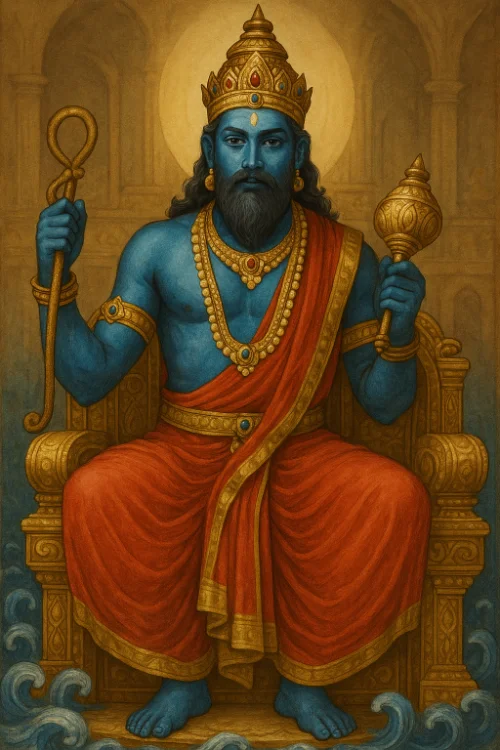
Janamejaya said "This history, O Rishi, that I have heard from you is highly remarkable, namely this detailed description of the installation according to the rites of Skanda.
यच्छ्रुत्वा पूतमात्मानं विजानामि तपोधन ।
प्रहृष्टानि च रोमाणि प्रसन्नं च मनो मम ॥ २ ॥
yacchrutvā pūtamātmānaṃ vijānāmi tapodhana |
prahṛṣṭāni ca romāṇi prasannaṃ ca mano mama || 2 ||
If you have asceticism for your wealth, I consider myself cleansed by listening to this account. My hair stands on end, and my mind has become cheerful.
अभिषेकं कुमारस्य दैत्यानां च वधं तथा।
श्रुत्वा मे परमा प्रीतिर्भूयः कौतूहलं हि मे ॥ ३ ॥
abhiṣekaṃ kumārasya daityānāṃ ca vadhaṃ tathā|
śrutvā me paramā prītirbhūyaḥ kautūhalaṃ hi me || 3 ||
I have been greatly pleased to hear the history of Kumara's installation and the destruction of the Daityas. However, I am curious about another subject.
अपां पतिः कथं ह्यस्मिन्नभिषिक्तः पुरा सुरैः ।
तन्मे ब्रूहि महाप्राज्ञ कुशलो ह्यसि सत्तम ॥ ४ ॥
apāṃ patiḥ kathaṃ hyasminnabhiṣiktaḥ purā suraiḥ |
tanme brūhi mahāprājña kuśalo hyasi sattama || 4 ||
How was the king of the waters installed by the celestials in that Tirtha formerly? O best of men, tell me all that, for you are highly wise and are skilled narrator.
वैशम्पायन उवाच
शृणु राजन्निदं चित्रं पूर्वकल्पे यथातथम् ।
आदौ कृतयुगे राजन् वर्तमाने यथाविधि ॥ ५ ॥
vaiśampāyana uvāca
śṛṇu rājannidaṃ citraṃ pūrvakalpe yathātatham |
ādau kṛtayuge rājan vartamāne yathāvidhi || 5 ||
Vaishampayana said "Listen, O king, to this remarkable history as it took place in a previous Kalpa. In days of yore, in the Satya Yuga, O king, all the celestials, duly approaching Varuna, said to him these words.
वरुणं देवताः सर्वा यमेत्येदपथाब्रुवन् ।
यथास्मान् सुरराट्छको भयेभ्यः पाति सर्वदा ॥ ६ ॥
varuṇaṃ devatāḥ sarvā yametyedapathābruvan |
yathāsmān surarāṭchako bhayebhyaḥ pāti sarvadā || 6 ||
As Indra, the king of gods, always protects us from every fear, so be you, the Lord of all the rivers.
तथा त्वमपि सर्वासां सरितां वै पतिर्भव।
वासश्च ते सदा देव सागरे मकरालये ॥ ७ ॥
tathā tvamapi sarvāsāṃ saritāṃ vai patirbhava|
vāsaśca te sadā deva sāgare makarālaye || 7 ||
You always live, O god, in the Ocean, that home of Makaras. This Ocean, the Lord of rivers, will then be under you.
समुद्रोऽयं तव वशे भविष्यति नदीपतिः ।
सोमेन सार्धं च तव हानिवृद्धी भविष्यतः ॥ ८ ॥
samudro’yaṃ tava vaśe bhaviṣyati nadīpatiḥ |
somena sārdhaṃ ca tava hānivṛddhī bhaviṣyataḥ || 8 ||
You will then increase the decreases with Soma! -- Varuna answered them, saying— "Let it be so. '
एवमस्त्विति तान् देवान् वरुणो वाक्यमब्रवीत्।
समागम्य ततः सर्वे वरुणं सागरालयम् ॥ ९ ॥
evamastviti tān devān varuṇo vākyamabravīt|
samāgamya tataḥ sarve varuṇaṃ sāgarālayam || 9 ||
All the celestials then assembled and made Varuna living in the Ocean the Lord of all the waters, according to the rites sanctioned by the Scriptures.
अपां पतिं प्रचक्रुर्हि विधिदृष्टेन कर्मणा ।
अभिषिच्य ततो देवा वरुणं यादसां पतिम् ॥ १० ॥
apāṃ patiṃ pracakrurhi vidhidṛṣṭena karmaṇā |
abhiṣicya tato devā varuṇaṃ yādasāṃ patim || 10 ||
Having installed Varuna as the Lord of all aquatic animals and worshipping him duly, the celestials returned to their respective habitations.
जग्मुः स्वान्येव स्थानानि पूजयित्वा जलेश्वरम् ।
अभिषिक्तस्ततो देवैर्वरुणोऽपि महायशाः ॥ ११॥
jagmuḥ svānyeva sthānāni pūjayitvā jaleśvaram |
abhiṣiktastato devairvaruṇo’pi mahāyaśāḥ || 11||
Installed by the celestials, the illustrious Varuna began to duly protect seas, lakes, rivers, and other water reservoirs as Indra protects the gods.
सरितः सागरांश्चैव नदांश्चापि सरांसि च।
पालयामास विधिना यथा देवाञ्शतक्रतुः ॥ १२ ॥
ततस्तत्राप्युपस्पृश्य दत्त्वा च विविधं वसु ।
अग्नितीर्थं महाप्राज्ञो जगामाथ प्रलम्बहा ॥ १३॥
नष्टो न दृश्यते यत्र शमीगर्भे हुताशनः ।
saritaḥ sāgarāṃścaiva nadāṃścāpi sarāṃsi ca|
pālayāmāsa vidhinā yathā devāñśatakratuḥ || 12 ||
tatastatrāpyupaspṛśya dattvā ca vividhaṃ vasu |
agnitīrthaṃ mahāprājño jagāmātha pralambahā || 13||
naṣṭo na dṛśyate yatra śamīgarbhe hutāśanaḥ |
Bathing in that Tirtha also and giving away various kinds of presents, Baladeva, the destroyer of Pralamba, endued with great wisdom, then proceeded to Agni Tirtha, where the cater of the clarified butter, disappearing from view, became concealed within the entrails of the Shami wood.
लोकालोकविनाशे च प्रादुर्भूते तदानघ ॥ १४ ॥
उपतस्थुः सुरा यत्र सर्वलोकपितामहम् ।
lokālokavināśe ca prādurbhūte tadānagha || 14 ||
upatasthuḥ surā yatra sarvalokapitāmaham |
When the light of the words thus disappeared, O sinless one, the gods then went to the Grandsire of the universe.
अग्निः प्रनष्टो भगवान् कारणं च न विद्महे ॥ १५ ॥
सर्वभूतक्षयो राजन् सम्पादय विभोऽनलम् ।
agniḥ pranaṣṭo bhagavān kāraṇaṃ ca na vidmahe || 15 ||
sarvabhūtakṣayo rājan sampādaya vibho’nalam |
And they said- “The worshipful Agni has disappeared. We do not know the reason. Let not creation go to destruction. Create fire, O powerful Lord?”
जनमेजय उवाच
किमर्थं भगवानग्निः प्रनष्टो लोकभावनः ।। १६ ।।
विज्ञातश्च कथं देवैस्तन्ममाचक्ष्व तत्त्वतः ।
janamejaya uvāca
kimarthaṃ bhagavānagniḥ pranaṣṭo lokabhāvanaḥ || 16 ||
vijñātaśca kathaṃ devaistanmamācakṣva tattvataḥ |
Janamejaya said "For what reason did Agni, the Creator of all the worlds, disappear? How also did the celestials find him? Tell me all this fully."
वैशम्पायन उवाच
भृगोः शापाद् भृशं भीतो जातवेदाः प्रतापवान् ।। १७ ।।
शमीगर्भमथासाद्य ननाश भगवांस्ततः ।
vaiśampāyana uvāca
bhṛgoḥ śāpād bhṛśaṃ bhīto jātavedāḥ pratāpavān || 17 ||
śamīgarbhamathāsādya nanāśa bhagavāṃstataḥ |
Vaishampayana said The mighty Agni became very much frightened by Bhrigu's curse. Concealing himself within the entrails of the Shami wood, that worshipful god disappeared from view.
प्रनष्टे तु सदा वह्नौ देवाः सर्वे सवासवाः ॥ १८ ॥
अन्वैषन्त तदा नष्टं ज्वलनं भृशदुःखिताः ।
pranaṣṭe tu sadā vahnau devāḥ sarve savāsavāḥ || 18 ||
anvaiṣanta tadā naṣṭaṃ jvalanaṃ bhṛśaduḥkhitāḥ |
Upon Agni's disappearance, all the gods, led by Vasava, were in great affliction and searched for the missing god.
ततोऽग्नितीर्थमासाद्य शमीगर्भस्थमेव हि ॥ १९ ॥
ददृशुर्ज्वलनं तत्र समानं यथाविधि ।
tato’gnitīrthamāsādya śamīgarbhasthameva hi || 19 ||
dadṛśurjvalanaṃ tatra samānaṃ yathāvidhi |
Finding Agni then, they saw that god lying within the entrails of the Shami wood.
देवाः सर्वे नरव्याघ्र बृहस्पतिपुरोगमाः ॥ २० ॥
ज्वलनं तं समासाद्य प्रीताऽभूवन् सवासवाः ।
devāḥ sarve naravyāghra bṛhaspatipurogamāḥ || 20 ||
jvalanaṃ taṃ samāsādya prītā’bhūvan savāsavāḥ |
The celestials, O foremost of kings, with Brihaspati at their head, having found out the god, became very glad with Vasava amongst them.
पुनर्यथागतं जग्मुः सर्वभक्षश्च सोऽभवत् ॥ २१॥
भृगोः शापान्महाभाग यदुक्तं ब्रह्मवादिना ।
punaryathāgataṃ jagmuḥ sarvabhakṣaśca so’bhavat || 21||
bhṛgoḥ śāpānmahābhāga yaduktaṃ brahmavādinā |
They then returned to their respective abodes. From Bhrigu's curse, Agni also became an eater of everything, as said by the Brahmavadin.
तत्राप्याप्लुत्य मतिमान् ब्रह्मयोनिं जगाम ह ॥ २२॥
ससर्जं भगवान् यत्र सर्वलोकपितामहः ।
tatrāpyāplutya matimān brahmayoniṃ jagāma ha || 22||
sasarjaṃ bhagavān yatra sarvalokapitāmahaḥ |
After bathing there, the intelligent Balarama went to Bramhayoni, where the worshipful Grandsire of all the worlds had created the world.
तत्राप्लुत्य ततो ब्रह्मा सह देवैः प्रभुः पुरा ॥ २३ ॥
ससर्ज तीर्थानि तथा देवतानां यथाविधि ।
tatrāplutya tato brahmā saha devaiḥ prabhuḥ purā || 23 ||
sasarja tīrthāni tathā devatānāṃ yathāvidhi |
Formerly, Lord Bramhan, having bathed with all the gods in that Tirtha, created all the Tirthas according to due rites for the celestials.
तत्र स्नात्वा च दत्वा च वसूनि विविधानि च ॥ २४॥
कौबेरं प्रययौ तीर्थं तत्र तप्त्वा महत्तपः ।
धनाधिपत्यं सम्प्राप्तो राजन्नैलबिल प्रभुः ॥ २५ ॥
tatra snātvā ca datvā ca vasūni vividhāni ca || 24||
kauberaṃ prayayau tīrthaṃ tatra taptvā mahattapaḥ |
dhanādhipatyaṃ samprāpto rājannailabila prabhuḥ || 25 ||
After bathing there and distributing various gifts, Baladeva proceeded to the Tirtha called Kaurava, where the powerful Ailavila, having practiced severe austerities, became the king of riches.
तत्रस्थमेव तं राजन् धनानि निधयस्तथा ।
उपतस्थुर्नरश्रेष्ठ तत् तीर्थं लाङ्गली बलः ॥ २६ ॥
गत्वा दत्वा च विधिवद् ब्राह्मणेभ्यो धनं ददौ ।
tatrasthameva taṃ rājan dhanāni nidhayastathā |
upatasthurnaraśreṣṭha tat tīrthaṃ lāṅgalī balaḥ ॥ 26 ॥
gatvā datvā ca vidhivad brāhmaṇebhyo dhanaṃ dadau |
While he dwelt there (practicing austerities), all kinds of wealth and all the precious gems came to him of their own accord. Having gone to that Tirtha and bathed in its waters, Baladeva distributed immense wealth amongst the Brahmanas with due rites.
ददृशे तत्र तत् स्थानं कौबेरे काननोत्तमे ॥ २७ ॥
पुरा यत्र तपस्तप्तं विपुलं सुमहात्मना।
यक्षराज्ञा कुबेरेण वरा लब्धाश्च पुष्कलाः॥२८॥
dadṛśe tatra tat sthānaṃ kaubere kānanottame ॥ 27 ॥
purā yatra tapastaptaṃ vipulaṃ sumahātmanā|
yakṣarājñā kubereṇa varā labdhāśca puṣkalāḥ ॥ 28 ॥
Rama saw the excellent woods of Kuvera at that spot. In the days of yore, the great Kuvera, the king of the Yakshas, having practiced the severest austerities there, obtained many boons.
धनादिपत्यं सख्यं च रुद्रेणामिततेजसा ।
सुरत्वं लोकपालत्वं पुत्रं च नलकूबरम्॥२९॥
dhanādipatyaṃ sakhyaṃ ca rudreṇāmitatejasā |
suratvaṃ lokapālatvaṃ putraṃ ca nalakūbaram||29||
There was the lordship of all riches, the friendship of powerful Rudra, the status of a god, the regency over a particular quarter (the north), and a son named Nalakuvara. The king of the Yakshas speedily obtained these.
यत्र लेभे महाबाहो धनाधिपतिरञ्जसा ।
अभिषिक्त तत्रैव समागम्य मरुद्गणैः ॥ ३० ॥
yatra lebhe mahābāho dhanādhipatirañjasā |
abhiṣikta tatraiva samāgamya marudgaṇaiḥ || 30 ||
The Maruts, coming there, installed him duly (in his sovereignty). He also obtained all the prosperity of a god and a well-equipped celestial car for a vehicle as fast as thought.
वाहनं चास्य तद् दत्तं हंसयुक्तं मनोजवम् ।
विमानं पुष्पकं दिव्यं नैऋतैश्वर्यमेव च ॥ ३१ ॥
तत्राप्लुत्य बलो राजन् दत्त्वा दायांश्च पुष्कलान्।
vāhanaṃ cāsya tad dattaṃ haṃsayuktaṃ manojavam |
vimānaṃ puṣpakaṃ divyaṃ naiṛtaiśvaryameva ca || 31 ||
tatrāplutya balo rājan dattvā dāyāṃśca puṣkalān|
Bathing in that Tirtha and giving away immense wealth, Vala, using white unguents, thence went speedily to another Tirtha.
जगाम त्वरितो रामस्तीर्थं श्वेतानुलेपनः ॥ ३२ ॥
निषेवितं सर्वसत्त्वैर्नाम्ना बदरपाचनम् ।
नानर्तुकवनोपेतं सदापुष्पफलं शुभम् ॥ ३३ ॥
jagāma tvarito rāmastīrthaṃ śvetānulepanaḥ || 32 ||
niṣevitaṃ sarvasattvairnāmnā badarapācanam |
nānartukavanopetaṃ sadāpuṣpaphalaṃ śubham || 33 ||
Abounding in various creatures, Tirtha is known by the name of Badarapachana. There, the fruits of every reason are always available, and flowers and fruits of every kind are always abundant."
Full Synopsis of The Story of the Tirtha Vadara-Pachana and Bharadvaja's Daughter Sravati
King Janamejaya, moved by the story of Skanda’s installation, asks about Varuṇa's rise to lordship over waters. Sage Vaiśampāyana narrates that in the Satya Yuga, the gods approached Varuṇa and installed him as the sovereign of all rivers and oceans. He accepted, and with Vedic rites, the celestials made him protector of all aquatic realms, just as Indra rules the heavens. Later, the tale shifts to the mysterious disappearance of Agni, who, frightened by Bṛgu’s curse, hid within the Śamī tree. Distressed, the gods sought him and eventually found him concealed there, after which he became known as the all-devouring fire.
Following these divine events, Baladeva (Balarāma), the elder brother of Krishna, embarks on a sacred pilgrimage. He visits various tīrthas: Brahmayoni, where Brahmā created the universe, the Kaurava tīrtha associated with Ailavila’s rise to wealth, and Kuvera’s grove, where the Yakṣa king earned divine boons, godhood, and the friendship of Rudra. Baladeva performs purificatory baths and donates wealth to Brāhmaṇas at each site. At Badarapachana, a wondrous tīrtha teeming with life and eternal abundance, his pilgrimage continues with devotion and grandeur, showcasing the spiritual potency of these holy places.