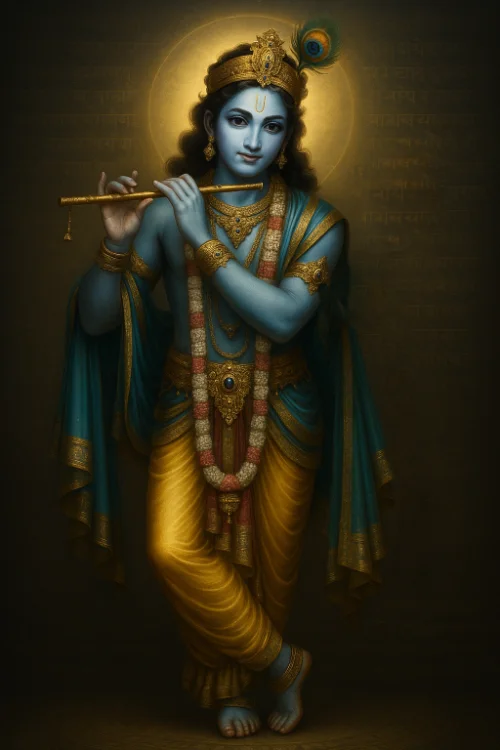
Srila Bhaktivinoda Thakura in his Sri Caitanya Siksamrita describes the demons Krishna killed in His Vrindavana pastimes and the anarthas (unwanted things) that they represent.
-
Pūtanā
The pseudo-guru; one who outwardly assumes the role of a teacher or nurturer, but whose motives are harmful or impure.
-
Śakaṭāsura
The cart demon; represents the burden of old and new bad habits, inertia, and vanity that weigh down spiritual progress.
-
Tṛṇāvarta
The whirlwind demon; symbolizes the destructive force of false pride that arises from academic arrogance and speculative philosophy.
-
Nalakūvara and Maṇigrīva
Puffed-up prestige rooted in intoxication and wealth; teaches humility and surrender to divine mercy.
-
Vatsāsura
The calf demon; childish mentality driven by greed and mischief, a distraction from higher consciousness.
-
Bakāsura
The stork demon; embodies cunning hypocrisy, deceptive behavior, and superficial spirituality.
-
Aghāsura
The snake demon; represents cruelty, violence, and the devouring nature of sinful tendencies.
-
Brahmā-vimohana
The bewilderment of Brahmā; warns against mundane learning and intellectual pride that obscures realization of Krishna’s divinity.
-
Dhenukāsura
The ass demon; symbolizes gross materialism and ignorance that resists spiritual nourishment and refinement.
-
Kāliya
The poisonous serpent; represents envy, brutality, and treachery that pollute the heart.
-
Forest Fire
Inter-communal discord among Vaiṣṇavas; destructive conflict caused by misunderstanding and sectarianism.
-
Pralaṁbāsura
The demon of lust and selfish ambition; desire for personal gain and honor under the guise of devotion.
-
Second Forest Fire
Represents disturbance of dharma and harassment of sincere practitioners by atheistic forces.
-
Brahmanas' Sacrifice
Pride of social status (varṇāśrama); causes indifference toward Krishna and true spiritual engagement.
-
Indra-moha
Overcoming Indra’s pride; warns against demigod worship and thinking oneself supreme or indispensable.
-
Varuṇa-pāśa
Nanda’s capture by Varuṇa; the illusion that intoxication or mystical experiences enhance spiritual life.
-
Vidyādhara-mokṣa
Swallowed by the serpent; the danger of impersonalism swallowing Krishna consciousness.
-
Śaṅkhacūḍa
The conch-shell demon; desire for name, fame, and sensual pleasure under the guise of devotion.
-
Ariṣṭāsura
The bull demon; pride from false religion or rituals that leads to neglect of bhakti.
-
Keśī
The horse demon; the ego of being a great devotee or spiritual leader.
-
Vyomasura
The sky demon; association with false teachers and impostors who claim to be divine incarnations.