Linga Mahāpurāna - Vidyeśvara Saṁhitā
Chapter 15 - Description of the Place, Time, and Worthy Recipients
ऋषय ऊचुः
देशादीन् क्रमशो ब्रीहि सूत ! सर्वार्थवित्तम ! |
सूत उवाच
शुद्धं गृहं समफलं देवयज्ञादिकर्मसु ॥ १ ॥
ṛṣaya ūcuḥ
deśādīn kramaśo brīhi sūta ! sarvārthavittama ! |
sūta uvāca
śuddhaṃ gṛhaṃ samaphalaṃ devayajñādikarmasu || 1 ||
The sages said: “O Sūta, knower of all sacred truths, kindly describe, in proper order, the places and conditions suitable for sacred acts.”
Sūta replied: “A pure and sanctified household yields equal merit when used for performing Deva-yajña and other sacred rituals.”
ततो दशगुणं गोष्ठं जलतीरं ततो दश ।
ततो दशगुणं बिल्वतुलस्यश्वत्थमूलकम् ॥ २ ॥
tato daśaguṇaṃ goṣṭhaṃ jalatīraṃ tato daśa |
tato daśaguṇaṃ bilvatulasyaśvatthamūlakam || 2 ||
The merit earned by performing a sacred rite in a cowshed is ten times greater than that earned at home. Performing it by a riverbank or lake yields ten times more than the cowshed. And still ten times greater is the merit gained by doing so beneath a bilva tree, tulasī plant, or aśvattha tree.
ततो देवालयं विद्यात्तीर्थतीरं ततो दश ।
ततो दशगुणं नद्यास्तीर्थनद्यास्ततो दश ॥ ३ ॥
tato devālayaṃ vidyāttīrthatīraṃ tato daśa |
tato daśaguṇaṃ nadyāstīrthanadyāstato daśa || 3 ||
Greater still is the temple of a deity; ten times greater is a sacred riverbank at a tīrtha. Even more auspicious — tenfold — is an ordinary river, and ten times beyond that is a sacred river (tīrtha-nadī).
सप्तगङ्गानदीतीर्थं तस्या दशगुणं भवेत् ।
गङ्गा गोदावरी चैव कावेरी ताम्रपर्णिका ॥ ४ ॥
सिन्धुश्च सरयू रेवा सप्त गङ्गाः प्रकीर्तिताः ।
ततोऽधितीरे दश च पर्वताग्रे ततो दश ॥ ५ ॥
saptagaṅgānadītīrthaṃ tasyā daśaguṇaṃ bhavet |
gaṅgā godāvarī caiva kāverī tāmraparṇikā || 4 ||
sindhuśca sarayū revā sapta gaṅgāḥ prakīrtitāḥ |
tato’dhitīre daśa ca parvatāgre tato daśa || 5 ||
The bank of the Saptagaṅgā rivers grants ten times the merit even above that of other sacred rivers. These seven Gaṅgās are: Gaṅgā, Godāvarī, Kāverī, Tāmraparṇī, Sindhu, Sarayū, and Revā. Still ten times greater is the merit obtained at the seashore, and again tenfold more upon a mountain peak.
सर्वस्मादधिकं ज्ञेयं यत्र वा रोचते मनः ।
कृते पूर्णफलं ज्ञेयं यज्ञदानादिकं तथा ॥ ६ ॥
sarvasmādadhikaṃ jñeyaṃ yatra vā rocate manaḥ |
kṛte pūrṇaphalaṃ jñeyaṃ yajñadānādikaṃ tathā || 6 ||
Indeed the best place is where a person is able to concentrate his mind. One gets the complete reward for the performing of the yajña, charities etc. in Satyayuga.
त्रेतायुगे त्रिपादं च द्वापरेऽर्धं सदा स्मृतम् ।
कलौ पादं तु विज्ञेयं तत्पादोनं ततोऽर्द्धके ॥ ७॥
tretāyuge tripādaṃ ca dvāpare’rdhaṃ sadā smṛtam |
kalau pādaṃ tu vijñeyaṃ tatpādonaṃ tato’rddhake || 7||
In the Tretā Yuga, merit is said to be three-fourths complete; in Dvāpara, it is only half. In the Kali Yuga, it diminishes to one-fourth, and in its latter half, even less than that.
शुद्धात्मनः शुद्धदिनं पुण्यं समफलं विदुः ।
तस्माद्दशगुणं ज्ञेयं रविसङ्क्रमणे बुधाः ॥ ८ ॥
śuddhātmanaḥ śuddhadinaṃ puṇyaṃ samaphalaṃ viduḥ |
tasmāddaśaguṇaṃ jñeyaṃ ravisaṅkramaṇe budhāḥ || 8 ||
The wise declare that a pure-hearted person, performing a sacred act on an auspicious day, attains the full merit of that act. But when performed on the day of Sūrya-saṅkrānti, the result is ten times greater.
विषुवे तद्दशगुणमयने तद्दश स्मृतम् ।
तद्दश मृगसङ्कान्तौ तचन्द्रग्रहणे दश ॥ ९ ॥
viṣuve taddaśaguṇamayane taddaśa smṛtam |
taddaśa mṛgasaṅkāntau tacandragrahaṇe daśa || 9 ||
The merit of sacred acts becomes tenfold when performed on the day of the Equinox (Viṣuva), and again during the Solstices (Ayana transitions). It is also ten times greater on the day of Mṛga-saṅkrānti, and likewise on the occasion of a lunar eclipse (Candra-grahaṇa).
ततश्च सूर्यग्रहणे पूर्णे कालोत्तमे विदुः ।
जगद्रूपस्य सूर्यस्य विषयोगाच्च रोगदम् ॥ १० ॥
tataśca sūryagrahaṇe pūrṇe kālottame viduḥ |
jagadrūpasya sūryasya viṣayogācca rogadam || 10 ||
Furthermore, a total solar eclipse is considered by the wise as the most powerful time for spiritual action. Though it is a malefic conjunction (viṣa-yoga) that afflicts Sūrya, the cosmic embodiment of the universe, and may bring about disease, it also offers extraordinary spiritual potency.
अतस्तद्विषशान्त्यर्थं स्नानदानजपांश्चरेत्।
विषशान्त्यर्थ कालत्वात्स कालः पुण्यदः स्मृतः ॥ ११॥
atastadviṣaśāntyarthaṃ snānadānajapāṃścaret|
viṣaśāntyartha kālatvātsa kālaḥ puṇyadaḥ smṛtaḥ || 11||
Therefore, to pacify the poison (viṣa) of the eclipse, one should engage in ritual bathing, charity, and mantra recitation. Because that time is meant for nullifying the malefic influence, it is remembered as a highly auspicious and meritorious moment.
This is a central idea in Purāṇic and Smārta dharma: even malefic cosmic conditions, if responded to with austerity and devotion, become gateways to spiritual elevation.
जन्मर्क्षे च व्रतान्ते च सूर्यरागोपमं विदुः ।
महतां सङ्गकालश्च कोट्यर्कग्रहणं विदुः ॥ १२ ॥
janmarkṣe ca vratānte ca sūryarāgopamaṃ viduḥ |
mahatāṃ saṅgakālaśca koṭyarkagrahaṇaṃ viduḥ || 12 ||
At the time of one's birth star or upon the completion of a sacred vow, acts of charity and worship are said to yield merit equal to a solar eclipse. But a moment spent in the company of the great and noble souls is regarded as equivalent to ten million solar eclipses.
Divine company transforms more than even the rarest cosmic alignments.
तपोनिष्ठा ज्ञाननिष्ठा योगिनो यतयस्तथा ।
पूजायाः पात्रमेते हि पापसङ्ख्यकारणम्॥ १३॥
taponiṣṭhā jñānaniṣṭhā yogino yatayastathā |
pūjāyāḥ pātramete hi pāpasaṅkhyakāraṇam|| 13||
Those devoted to austerity, established in knowledge, the yogis, and the renunciants — these are the true recipients of worship. Honoring them leads to the removal of countless sins.
चतुर्विंशतिलक्षं वा गायत्र्या जपसंयुतः ।
ब्राह्मणस्तु भवेत्पात्रं सम्पूर्णफलभोगदम्॥ १४ ॥
caturviṃśatilakṣaṃ vā gāyatryā japasaṃyutaḥ |
brāhmaṇastu bhavetpātraṃ sampūrṇaphalabhogadam|| 14 ||
A Brāhmaṇa who has performed 2.4 million recitations of the Gāyatrī mantra is considered a true vessel of worship. By honoring him, one gains the complete enjoyment of all desired fruits.
पतनात्त्रायत इति पात्रं शास्त्रे प्रयुज्यते ।
दातुश्च पातकात्त्राणात्पात्रमित्यभिधीयते ॥ १५ ॥
patanāttrāyata iti pātraṃ śāstre prayujyate |
dātuśca pātakāttrāṇātpātramityabhidhīyate || 15 ||
In the scriptures, a pātra (worthy recipient) is defined as one who protects others from spiritual downfall. And one who, by their own purity, shields the giver from incurring sin, is likewise called a pātra.
गयकं त्रायते पाताद्गायत्रीत्युच्यते हि सा ।
यथार्थहीन लोकेऽस्मिन्परस्यार्थं न यच्छति ॥ १६ ॥
अर्थवानिह यो लोके परस्यार्थं प्रयच्छति ।
स्वयं शुद्धो हि पूतात्मा नरान्सन्त्रातुमर्हति ॥ १७ ॥
gayakaṃ trāyate pātādgāyatrītyucyate hi sā |
yathārthahīna loke’sminparasyārthaṃ na yacchati || 16 ||
arthavāniha yo loke parasyārthaṃ prayacchati |
svayaṃ śuddho hi pūtātmā narānsantrātumarhati || 17 ||
She is called Gāyatrī because she protects the chanter from spiritual downfall. Just as in this world, a person without resources cannot give anything to another, so too, only one who is truly endowed with wealth can give for others’ welfare. Likewise, a person who is pure and stainless, a sanctified soul, is alone fit to protect and uplift others.
गायत्री जपशुद्धो हि शुद्धब्राह्मण उच्यते ।
तस्माद्दाने जपे होमे पूजायां सर्वकर्मणि । १८ ॥
दानं कर्तुं तथा त्रातुं पात्रत्वं ब्राह्मणोऽर्हति ।
अन्नस्य क्षुधितं पात्रं नारीनरमयात्मकम्॥ १९॥
ब्राह्मणं श्रेष्ठमाहूय यत्काले सुसमाहितम् ।
तदर्थं शब्दमर्थं वा सद्बोधकमभीष्टदम् ॥ २० ॥
gāyatrī japaśuddho hi śuddhabrāhmaṇa ucyate |
tasmāddāne jape home pūjāyāṃ sarvakarmaṇi | 18 ||
dānaṃ kartuṃ tathā trātuṃ pātratvaṃ brāhmaṇo’rhati |
annasya kṣudhitaṃ pātraṃ nārīnaramayātmakam|| 19||
brāhmaṇaṃ śreṣṭhamāhūya yatkāle susamāhitam |
tadarthaṃ śabdamarthaṃ vā sadbodhakamabhīṣṭadam || 20 ||
A Brāhmaṇa purified by Gāyatrī-japa is called truly pure, and is the proper recipient in charity, japa, homa, pūjā, and other sacred acts. He is worthy of receiving gifts and protecting the donor from sin. But when it comes to feeding, the hungry person — man or woman, as a soul-endowed being — is the true recipient of food. One should invite a noble Brāhmaṇa, with focused intent, at the right time, and ensure that his words or teachings reveal truth and wisdom, bringing the desired spiritual fruit.
इच्छावत: प्रदानं च सम्पूर्णफलदं विदुः ।
यत्प्रश्नानन्तरं दत्तं तदर्धफलदं विदुः ॥ २१ ॥
icchāvata: pradānaṃ ca sampūrṇaphaladaṃ viduḥ |
yatpraśnānantaraṃ dattaṃ tadardhaphaladaṃ viduḥ || 21 ||
Charity given willingly and unasked, to one in need, is known to yield the full fruit of merit. But charity given only after being asked or begged for is said to yield only half the merit.
यत्सेवकाय दत्तं स्यात्तत्पादफलदं विदुः ।
जातिमात्रस्य विप्रस्य दीनवृत्तेर्द्विजर्षभाः ॥ २२ ॥
दत्तमर्थं हि भोगाय भूलोंके दशवार्षिकम् ।
वेदयुक्तस्य विप्रस्य स्वर्गे हि दशवार्षिकम् ॥ २३ ॥
yatsevakāya dattaṃ syāttatpādaphaladaṃ viduḥ |
jātimātrasya viprasya dīnavṛtterdvijarṣabhāḥ || 22 ||
dattamarthaṃ hi bhogāya bhūloṃke daśavārṣikam |
vedayuktasya viprasya svarge hi daśavārṣikam || 23 ||
Charity given to a servant or dependent is known to yield only a quarter of the merit. O foremost of Brāhmaṇas, when charity is given to a Brāhmaṇa who is so only by birth, but lives in poverty and without scriptural merit, its reward is limited to this earthly realm.
Such a donation brings earthly enjoyment for ten years in the mortal world (bhūloka). But if the charity is given to a Brāhmaṇa learned in the Vedas, the reward is enjoyment in heaven (svarga) for ten years.
गायत्री जपयुक्तस्य सत्यं हि दशवार्षिकम् ।
विष्णुभक्तस्य विप्रस्य दत्तं वैकुण्ठदं विदुः ॥ २४ ॥
gāyatrī japayuktasya satyaṃ hi daśavārṣikam |
viṣṇubhaktasya viprasya dattaṃ vaikuṇṭhadaṃ viduḥ || 24 ||
When charity is given to a Brāhmaṇa devoted to the japa of the Gāyatrī mantra, it yields enjoyment in Satyaloka for ten years. But charity given to a Brāhmaṇa devoted to Viṣṇu is known to lead the donor to Vaikuṇṭha, the eternal abode.
शिवभक्तस्य विप्रस्य दत्तं कैलासदं विदुः ।
तत्तल्लोकोपभोगार्थं सर्वेषां दानमिष्यते ॥ २५ ॥
śivabhaktasya viprasya dattaṃ kailāsadaṃ viduḥ |
tattallokopabhogārthaṃ sarveṣāṃ dānamiṣyate || 25 ||
Charity given to a Brāhmaṇa devoted to Śiva leads the donor to Kailāśa, Śiva’s celestial abode. Thus, charitable giving is upheld as a means for attaining enjoyment in the various divine worlds.
दशाङ्गमन्नं विप्रस्य भानुवारे ददन्नरः ।
परजन्मनि चारोग्यं दशवर्षं समश्नुते ॥ २६ ॥
daśāṅgamannaṃ viprasya bhānuvāre dadannaraḥ |
parajanmani cārogyaṃ daśavarṣaṃ samaśnute || 26 ||
If a person offers daśāṅga food to a Brāhmaṇa on a Sunday, then in his next birth, he enjoys ten years of perfect health.
Traditionally, daśāṅga-anna refers to food accompanied by ten auspicious components in ritual context. These may include:
Anna (rice or staple food)
Ghee
Salt
Sweet (e.g., jaggery or sugar)
Vegetable or curry
Curd
Milk
Fruits
Betel leaves
Water (for drinking or ācamana)
This makes the offering complete and sattvic, invoking maximum puṇya (merit).
बहुमानमथाह्वानमभ्यङ्गं पादसेवनम् ।
वासो गन्धाद्यर्चनं च घृतापूपरसोत्तरम्॥ २७॥
षड्सं व्यञ्जनं चैव ताम्बूलं दक्षिणोत्तरम् ।
गमश्चानुगमश्चैव स्वन्नदानं दशाङ्गकम्॥ २८ ॥
bahumānamathāhvānamabhyaṅgaṃ pādasevanam |
vāso gandhādyarcanaṃ ca ghṛtāpūparasottaram|| 27||
ṣaḍsaṃ vyañjanaṃ caiva tāmbūlaṃ dakṣiṇottaram |
gamaścānugamaścaiva svannadānaṃ daśāṅgakam|| 28 ||
The tenfold annadāna (daśāṅga food offering) includes:
Respectful reception of the Brāhmaṇa (bahumāna)
Formal invitation (āhvāna)
Anointing the body with fragrant oil (abhyaṅga)
Washing or massaging of the feet (pāda-sevana)
Offering of garments and sandalwood paste with fragrance (vāsaḥ, gandha, arcana)
Serving ghee-prepared sweets and delicacies (ghṛta-āpūpa-rasa-uttaram)
Six-taste dishes and proper side accompaniments (ṣaḍ-rasa vyañjana)
Betel leaves and areca nut (tāmbūla)
Giving of dakṣiṇā (monetary offering) (dakṣiṇa)
Bidding farewell with respectful walking accompaniment (gama and anugama)
दशाङ्गमन्नं विप्रेभ्यो दशभ्यो वै ददन्नरः ।
अर्कवारे तथाऽऽरोग्यं शतवर्षं समश्नुते ॥ २९॥
daśāṅgamannaṃ viprebhyo daśabhyo vai dadannaraḥ |
arkavāre tathā’’rogyaṃ śatavarṣaṃ samaśnute || 29||
A person who offers daśāṅga annadāna to ten Brāhmaṇas on a Sunday (Arka-vāra) is blessed with perfect health for a hundred years.
सोमवारादिवारेषु तत्तद्वारगुणे फलम् ।
अन्नदानस्य विज्ञेयं भूर्लोके परजन्मनि ॥ ३० ॥
somavārādivāreṣu tattadvāraguṇe phalam |
annadānasya vijñeyaṃ bhūrloke parajanmani || 30 ||
The merit of food donation on Monday and other weekdays depends on the spiritual quality of that particular day. In the next birth, the donor enjoys the fruits of this act in the earthly realm (bhūrloka)
सप्तस्वपि च वारेषु दशभ्यश्च दशाङ्गकम् ।
अन्नं दत्त्वा शतं वर्षमारोग्यादिकमश्नुते ॥ ३१ ॥
saptasvapi ca vāreṣu daśabhyaśca daśāṅgakam |
annaṃ dattvā śataṃ varṣamārogyādikamaśnute || 31 ||
He who, across all seven days of the week, offers daśāṅga food to ten Brāhmaṇas, is blessed with one hundred years of health and other auspicious benefits.
एवं शतेभ्यो विप्रेभ्यो भानुवारे ददन्नरः ।
सहस्रवर्षमारोग्यं शर्वलोके समश्नुते ॥ ३२ ॥
evaṃ śatebhyo viprebhyo bhānuvāre dadannaraḥ |
sahasravarṣamārogyaṃ śarvaloke samaśnute || 32 ||
Thus, a person who offers food to one hundred Brāhmaṇas on a Sunday, enjoys a thousand years of perfect health, and finally attains the abode of Śiva (Śarvaloka).
सहस्रेभ्यस्तथा दत्त्वाऽयुतवर्षं समश्नुते ।
एवं सोमादिवारेषु विज्ञेयं हि विपश्चिता ॥ ३३ ॥
sahasrebhyastathā dattvā’yutavarṣaṃ samaśnute |
evaṃ somādivāreṣu vijñeyaṃ hi vipaścitā || 33 ||
By offering food to a thousand Brāhmaṇas, one enjoys ten thousand years of rewards. This rule applies equally to Monday and the other weekdays, as understood by the wise.
भानुवारे सहस्त्राणां गायत्रीपूतचेतसाम् ।
अन्नं दत्त्वा सत्यलोके ह्यारोग्यादि समश्नुते ॥ ३४ ॥
bhānuvāre sahastrāṇāṃ gāyatrīpūtacetasām |
annaṃ dattvā satyaloke hyārogyādi samaśnute || 34 ||
By offering food on a Sunday to a thousand Brāhmaṇas whose minds are purified by Gāyatrī recitation, the donor enjoys perfect health and other blessings in the realm of Satyaloka.
अयुतानां तथा दत्त्वा विष्णुलोके समश्नुते ।
अन्नं गत्त्वा तु लक्षाणां रुद्रलोके समश्नुते ॥ ३५ ॥
ayutānāṃ tathā dattvā viṣṇuloke samaśnute |
annaṃ gattvā tu lakṣāṇāṃ rudraloke samaśnute || 35 ||
By offering food to ten thousand Brāhmaṇas, the donor attains Viṣṇuloka, the realm of Viṣṇu. By offering food to a hundred thousand Brāhmaṇas, he attains Rudraloka, the realm of Śiva.
बालानां ब्रह्मबुद्ध्या हि देयं विद्यार्थिभिर्नरैः ।
यूनां च विष्णुबुद्ध्या हि पुत्रकामार्थिभिर्नरैः ॥ ३६ ॥
bālānāṃ brahmabuddhyā hi deyaṃ vidyārthibhirnaraiḥ |
yūnāṃ ca viṣṇubuddhyā hi putrakāmārthibhirnaraiḥ || 36 ||
To Brāhmaṇa boys, food should be offered with the understanding that they embody Brahmā — especially by those who seek knowledge or wisdom. To young Brāhmaṇas, food should be offered with the awareness that they embody Viṣṇu, especially by those who desire sons.
This verse reflects a bhāvana-based theology — the mental identification (buddhi) of the recipient with a deity enhances the spiritual efficacy of the offering. This is consistent with ritualistic Vedānta and Purāṇic practice, where intention transforms action.
वृद्धानां रुद्रबुद्ध्या हि देयं ज्ञानार्थिभिर्नरैः ।
बालस्त्री भारतीबुद्ध्या बुद्धिकामैर्नरोत्तमैः॥ ३७ ॥
vṛddhānāṃ rudrabuddhyā hi deyaṃ jñānārthibhirnaraiḥ |
bālastrī bhāratībuddhyā buddhikāmairnarottamaiḥ|| 37 ||
Food should be offered to elder Brāhmaṇas, with the understanding that they are Rudra, by those who seek spiritual knowledge. To young girls, food should be offered with the thought that they are Bhāratī (Sarasvatī), by noble seekers of wisdom and intellect.
लक्ष्मीबुद्ध्या युवस्त्रीषु भोगकामैर्नरोत्तमैः ।
वृद्धासु पार्वतीबुद्ध्या देयमात्मार्थिभिर्जनैः ॥ ३८ ॥
lakṣmībuddhyā yuvastrīṣu bhogakāmairnarottamaiḥ |
vṛddhāsu pārvatībuddhyā deyamātmārthibhirjanaiḥ || 38 ||
Noble persons desiring enjoyment and prosperity should offer food to young women, seeing them as manifestations of Lakṣmī. Those seeking self-realization should offer food to elderly women, viewing them as embodiments of Pārvatī.
This verse emphasizes that inner intention and perception (buddhi) during charitable acts shape their spiritual effect, a core principle in Vedic karma philosophy.
शिलवृत्त्योञ्छवृत्त्या च गुरुदक्षिणयार्जितम् ।
शुद्धद्रव्यमिति प्राहुस्तत्पूर्णफलदं विदुः ॥ ३९ ॥
śilavṛttyoñchavṛttyā ca gurudakṣiṇayārjitam |
śuddhadravyamiti prāhustatpūrṇaphaladaṃ viduḥ || 39 ||
Wealth earned through honest labor, humble gleaning, or received as guru-dakṣiṇā, is called pure wealth. When such wealth is donated, it yields the complete reward of charity.
This verse reflects the dharmic idea that purity of the source of income deeply affects the karmic impact of giving — not just the act itself.
ब्रह्मप्रतिग्रहाद्दत्तं मध्यमं द्रव्यमुच्यते ।
कृषिवाणिज्यकोपेतमधमं द्रव्यमुच्यते ॥ ४० ॥
brahmapratigrahāddattaṃ madhyamaṃ dravyamucyate |
kṛṣivāṇijyakopetamadhamaṃ dravyamucyate || 40 ||
Wealth received by a Brāhmaṇa as a religious gift is said to be of middling spiritual value. Wealth acquired through agriculture or commerce is considered inferior for purposes of sacred donation.
क्षत्रियाणां विशां चैव शौर्यवाणिज्यकार्जितम् ।
उत्तमं द्रव्यमित्याहुः शूद्राणां भृतकार्जितम् ॥ ४१ ॥
kṣatriyāṇāṃ viśāṃ caiva śauryavāṇijyakārjitam |
uttamaṃ dravyamityāhuḥ śūdrāṇāṃ bhṛtakārjitam || 41 ||
For Kṣatriyas, wealth earned through heroism and protection (śaurya), and for Vaiśyas, wealth earned through trade (vāṇijya), is regarded as excellent and appropriate. For Śūdras, wealth earned through faithful service (bhṛta-kārjita) is likewise considered the best — when earned according to dharma.
The verse emphasizes the alignment of livelihood with dharma. When people earn wealth through their prescribed varṇa duties, that wealth becomes ritually pure (uttama) for charity and spiritual merit.
स्त्रीणां धर्मार्थिनां द्रव्यं पैतृकं भर्तृकं तथा ।
गवादीनां द्वादशानां चैत्रादिषु यथाक्रमम् ॥ ४२ ॥
strīṇāṃ dharmārthināṃ dravyaṃ paitṛkaṃ bhartṛkaṃ tathā |
gavādīnāṃ dvādaśānāṃ caitrādiṣu yathākramam || 42 ||
For women pursuing righteous purposes, wealth received from their father or husband is considered ritually fit for offerings. And starting with the month of Caitra, one should donate twelve sacred items, such as cows and others, in their proper monthly order.
Classical smṛti texts and dharmaśāstra list 12 specific gifts corresponding to each lunar month. For instance, cow in Caitra, clothes in Vaiśākha, sesame in Māgha, etc. This is known as dvādaśa-dāna practice.
सम्भूय वा पुण्यकाले दद्यादिष्टसमृद्धये ।
गोभूतिलहिरण्याज्यवासोधान्यगुडानि च ॥४३॥
रौप्यं लवणकूष्माण्डं कन्याद्वादशकं तथा ।
गोदानाद्दत्तगव्येन गोमयेनोपकारिणा ॥ ४४ ॥
धनधान्याद्याश्रितानां दुरितानां निवारणम् ।
जलस्नेहाद्याश्रितानां दुरितानां तु गोजलैः ॥ ४५ ॥
sambhūya vā puṇyakāle dadyādiṣṭasamṛddhaye |
gobhūtilahiraṇyājyavāsodhānyaguḍāni ca ||43||
raupyaṃ lavaṇakūṣmāṇḍaṃ kanyādvādaśakaṃ tathā |
godānāddattagavyena gomayenopakāriṇā || 44 ||
dhanadhānyādyāśritānāṃ duritānāṃ nivāraṇam |
jalasnehādyāśritānāṃ duritānāṃ tu gojalaiḥ || 45 ||
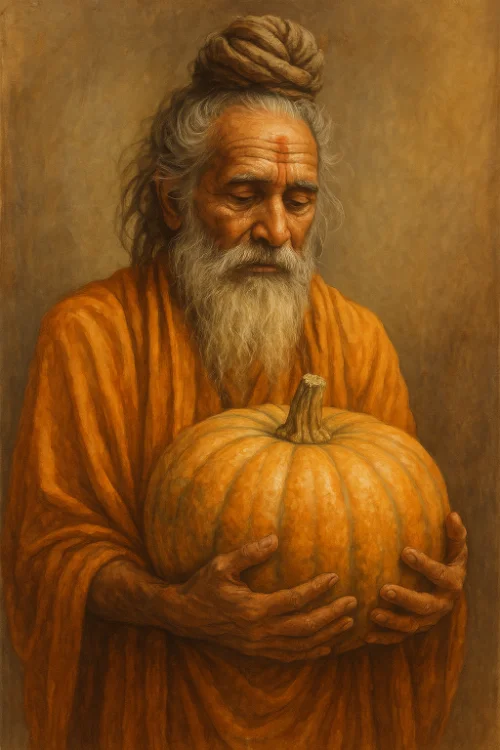
At an auspicious time, one may give these twelve sacred items, either individually or together, for the sake of fulfilling one’s desires and spiritual prosperity: Cow, land, sesame seeds, gold, ghee, clothing, grain, and jaggery (guḍa). Also: silver, salt, pumpkin, and a daughter in marriage — these make up the dvādaśa-dāna, the twelvefold sacred donations.
Charity of cows, cow-derived products (gavyas), and even cow dung (gomaya), when given with benevolence, serve to uplift and benefit others. They help to remove the misfortunes of those dependent on wealth, food, and material support, and the sins or afflictions of those dependent on water, oils, and liquid sustenance can be mitigated through the use of cow-derived waters (go-jalaiḥ).
कायिकादित्रयाणां तु क्षीरदध्याज्यकैस्तथा ।
तथा तेषां च पुष्टिश्च विज्ञेया हि विपश्चिता ॥ ४६ ॥
kāyikāditrayāṇāṃ tu kṣīradadhyājyakaistathā |
tathā teṣāṃ ca puṣṭiśca vijñeyā hi vipaścitā || 46 ||
The sins committed through body, speech, and mind are alleviated by means of milk, curd, and ghee, and these substances also bring about nourishment and spiritual enhancement. This truth should be rightly understood by those who are wise.
भूदानं तु प्रतिष्ठार्थमिह चामुत्र च द्विजाः ।
तिलदानं बलार्थं हि सदा मृत्युजयं विदुः ॥ ४७॥
bhūdānaṃ tu pratiṣṭhārthamiha cāmutra ca dvijāḥ |
tiladānaṃ balārthaṃ hi sadā mṛtyujayaṃ viduḥ || 47||
O Brāhmaṇas, the donation of land grants lasting honor and stability, both in this world and in the next. The gift of sesame seeds (tila) is known to bestow strength, and is always praised as a conqueror of death.
हिरण्यं जाठराग्नेस्तु वृद्धिदं वीर्यदं तथा ।
आज्यं पुष्टिकरं विद्याद्वस्त्रमायुष्करं विदुः ॥ ४८ ॥
hiraṇyaṃ jāṭharāgnestu vṛddhidaṃ vīryadaṃ tathā |
ājyaṃ puṣṭikaraṃ vidyādvastramāyuṣkaraṃ viduḥ || 48 ||
Gold, when given in charity, enhances the digestive fire (jāṭharāgni) and also bestows vital strength (vīrya). Ghee (ājya) is known to bring nourishment, and clothing (vastra) is said to increase longevity.
धान्यमन्नसमृद्ध्यर्थं मधुराहारदं गुडम् ।
रौप्यं रेतोऽभिवृद्ध्यर्थं षड्रसार्थं तु लावणम् ॥ ४९॥
dhānyamannasamṛddhyarthaṃ madhurāhāradaṃ guḍam |
raupyaṃ reto’bhivṛddhyarthaṃ ṣaḍrasārthaṃ tu lāvaṇam || 49||
Grains should be given for the sake of food abundance, while jaggery (guḍa) grants access to sweet nourishment. Silver (raupya) enhances reproductive vitality, and salt (lavaṇa) supports the balance of all six tastes (ṣaḍ-rasa).
सर्वं सर्वसमृद्ध्यर्थं कूष्माण्डं पुष्टिदं विदुः ।
प्राप्तिदं सर्वभोगानामिह चामुत्र च द्विजाः ॥ ५०॥
sarvaṃ sarvasamṛddhyarthaṃ kūṣmāṇḍaṃ puṣṭidaṃ viduḥ |
prāptidaṃ sarvabhogānāmiha cāmutra ca dvijāḥ || 50||
The gift of a pumpkin (kūṣmāṇḍa) is known to bestow comprehensive prosperity and nourishment. O Brāhmaṇas, it grants the attainment of all enjoyments, both in this world and the next.
The pumpkin is traditionally offered in vratas, homās, and satkarmas as a symbol of wholeness and sustained vitality, especially for householders.
यावज्जीवनमुक्तं हि कन्यादानं तु भोगदम् ।
पनसाम्प्रकपित्थानां वृक्षाणां फलमेव च ॥ ५१ ॥
कदल्याद्योषधीनां च फलं गुल्मोद्भवं तथा ।
माषादीनां च मुद्गानां फलं शाकादिकं तथा ॥ ५२॥
मरीचिसर्षपाद्यानां शाकोपकरणं तथा ।
यदृतौ यत्फलं सिद्धं तद्देयं हि विपश्चिता ॥ ५३ ॥
yāvajjīvanamuktaṃ hi kanyādānaṃ tu bhogadam |
panasāmprakapitthānāṃ vṛkṣāṇāṃ phalameva ca || 51 ||
kadalyādyoṣadhīnāṃ ca phalaṃ gulmodbhavaṃ tathā |
māṣādīnāṃ ca mudgānāṃ phalaṃ śākādikaṃ tathā || 52||
marīcisarṣapādyānāṃ śākopakaraṇaṃ tathā |
yadṛtau yatphalaṃ siddhaṃ taddeyaṃ hi vipaścitā || 53 ||
The gift of a daughter in marriage (kanyādāna) is said to bestow pleasures lasting for a lifetime. One should also offer the fruits of trees such as jackfruit (panasa), mango (āmra), and wood-apple (kapittha). Fruits of plants like banana (kadalī) and other herbs (oṣadhi), as well as those from creepers and shrubs (gulma-udbhava), and the produce of black gram (māṣa), green gram (mudga), and various kinds of leafy vegetables (śāka) should also be given.
Also useful are culinary herbs like black pepper (marīci), mustard seeds (sarṣapa), and others. Whatever fruit or produce is naturally ripened in its season, should be given in charity — this is the practice of those who are wise (vipaścitāḥ).
श्रोत्रादीन्द्रियतृप्तिश्च सदा देया विपश्चिता ।
शब्दादिदशभोगार्थं दिगादीनां च तुष्टिदा ॥ ५४ ॥
śrotrādīndriyatṛptiśca sadā deyā vipaścitā |
śabdādidaśabhogārthaṃ digādīnāṃ ca tuṣṭidā || 54 ||
The wise should always make offerings that gratify the senses, beginning with the ear and extending to all the sense organs. By giving tenfold sensory offerings—sound, touch, form, taste, and scent— one also satisfies the ten directions and the cosmic forces that dwell within them.
वेदशास्त्रं समादाय बुद्धा गुरुमुखात्स्वयम्।
कर्मणां फलमस्तीति बुद्धिरास्तिक्यमुच्यते ॥ ५५ ॥
vedaśāstraṃ samādāya buddhā gurumukhātsvayam|
karmaṇāṃ phalamastīti buddhirāstikyamucyate || 55 ||
To receive the Vedas and sacred teachings from the guru, and to hold the belief that actions yield results — this understanding is called āstikya, the faithful intellect aligned with dharma.
बन्धुराजभयाद्बुद्धिः श्रद्धा सा च कनीयसी ।
सर्वाभावे दरिद्रस्तु वाचा वा कर्मणा यजेत् ॥ ५६ ॥
bandhurājabhayādbuddhiḥ śraddhā sā ca kanīyasī |
sarvābhāve daridrastu vācā vā karmaṇā yajet || 56 ||
When devotion arises from fear of family or rulers, it is still called faith, but is deemed lesser in strength. Even if a person is destitute and lacks all possessions, he should still worship through words or righteous actions.
वाचिकं यजनं विद्यान्मन्त्रस्तोत्रजपादिकम्।
तीर्थयात्रा व्रताद्यं हि कायिकं यजनं विदुः ॥ ५७॥
vācikaṃ yajanaṃ vidyānmantrastotrajapādikam|
tīrthayātrā vratādyaṃ hi kāyikaṃ yajanaṃ viduḥ || 57||
Let it be known that chanting mantras, reciting hymns, and japa constitute verbal worship (vācika yajana). Pilgrimages, vows, and similar observances are regarded as bodily worship (kāyika yajana).
येन केनाप्युपायेन ह्यल्पं वा यदि वा बहु ।
देवतार्पणबुद्ध्या च कृतं भोगाय कल्पते ॥ ५८॥
yena kenāpyupāyena hyalpaṃ vā yadi vā bahu |
devatārpaṇabuddhyā ca kṛtaṃ bhogāya kalpate || 58||
Whatever deed is performed in honour of the god or the slightest dedication to him bestows comfort to the performer.
This is a key verse that promotes intentional devotion over formalism — even the humblest act of offering, if done with genuine dedication, becomes spiritually fruitful.
तपश्चर्या च दानं च कर्तव्यमुभयं सदा ।
प्रतिश्रयं प्रदातव्यं स्ववर्णगुणशोभितम् ॥ ५९ ॥
tapaścaryā ca dānaṃ ca kartavyamubhayaṃ sadā |
pratiśrayaṃ pradātavyaṃ svavarṇaguṇaśobhitam || 59 ||
Austerity and charity should be practiced regularly and without fail. One should also offer shelter or refuge to others — a space that is adorned by the virtues and duties proper to one’s own varṇa.
देवानां तृप्तयेऽत्यर्थं सर्वभोगप्रदं बुधैः ।
इहामुत्रोत्तमं जन्म सदा भोगं लभेद्बुधः ।
ईश्वरार्पणबुद्ध्या हि कृत्वा मोक्षफलं लभेत् ॥ ६० ॥
devānāṃ tṛptaye’tyarthaṃ sarvabhogapradaṃ budhaiḥ |
ihāmutrottamaṃ janma sadā bhogaṃ labhedbudhaḥ |
īśvarārpaṇabuddhyā hi kṛtvā mokṣaphalaṃ labhet || 60 ||
Charity offered for the satisfaction of the gods grants all enjoyments, as taught by the wise. Such a person gains noble birth and pleasures in both this world and the next. But when charity is done with the intent of offering it to the Supreme Lord, it brings the ultimate reward — liberation.
य इमं पठतेऽध्यायं यः शृणोति सदा नरः ।
तस्य वै धर्मबुद्धिश्च ज्ञानसिद्धिः प्रजायते ॥ ६१ ॥
ya imaṃ paṭhate’dhyāyaṃ yaḥ śṛṇoti sadā naraḥ |
tasya vai dharmabuddhiśca jñānasiddhiḥ prajāyate || 61 ||
Whoever reads or hears this chapter regularly, develops a mind rooted in dharma, and attains the fulfillment of true knowledge.
इति श्रीशिवमहापुराणे प्रथमायां विद्येश्वरसंहितायां देशकालपात्रादिवर्णनं नाम पञ्चदशोऽध्यायः ॥ १५ ॥
iti śrīśivamahāpurāṇe prathamāyāṃ vidyeśvarasaṃhitāyāṃ deśakālapātrādivarṇanaṃ nāma pañcadaśo’dhyāyaḥ || 15 ||
Thus ends Chapter Fifteen, entitled "Description of the Place, Time, and Worthy Recipients", from the Vidyeśvara Saṁhitā, the first section of the glorious Śiva Mahāpurāṇa.
Full Synopsis of Description of the Place, Time, and Worthy Recipients
Chapter 15 of the Liṅga Mahāpurāṇa (Vidyeśvara Saṁhitā) teaches that the merit of sacred acts like yajña, charity, and worship depends on the place, time, and recipient.
The best place is where the mind can focus, but merit increases significantly when rituals are performed in holy locations: from the home, to cowsheds, riverbanks, tīrthas, temples, sacred trees, and especially the banks of the seven holy rivers.
The chapter explains that cosmic timings such as solstices, equinoxes, lunar or solar eclipses—particularly a total solar eclipse—multiply the effect of spiritual acts, while a pure heart on an auspicious day always brings full merit.
A worthy recipient (pātra) is one who uplifts others and protects the donor from sin, such as a Brāhmaṇa purified through Gāyatrī recitation or devoted to Viṣṇu or Śiva. Giving charity willingly to such a person grants a higher spiritual reward than when it is given upon request or to someone unworthy.
Feeding the hungry, regardless of their identity, is always meritorious when done with humility. The daśāṅga food offering—served with ten ritual components like ghee, fruit, sweets, and respectful treatment—brings health and blessings, especially when performed on Sundays or on all weekdays.
Feeding ten Brāhmaṇas daily brings a hundred years of health, and feeding hundreds or thousands ensures immense heavenly reward and access to divine abodes.
The chapter emphasizes offering with the right attitude: boys are seen as Brahmā, youth as Viṣṇu, elders as Rudra, women as Lakṣmī or Pārvatī, depending on the devotee’s goal. Righteous wealth—earned through dharma, guru-service, or humble labor—is fit for donation.
The sacred twelvefold donations (dvādaśa-dāna), including cows, land, ghee, and gold, are praised, especially when aligned with the lunar calendar. Items like sesame, cow products, salt, and pumpkin also purify karmas and promote prosperity. Even the poorest person gains merit through sincere acts like japa, mantra, or pilgrimage. What matters most is intention: even small offerings, if done with devotion, bring spiritual elevation. Those who read or listen to this chapter with faith attain wisdom and righteous understanding, progressing toward liberation.