Mahābhārata - Shalya Parva
Chapter 53 - The Story of Samanta Panchaka
ऋषय ऊचुः
पजापतेरुत्तरवेदिरुच्यते सनातनं राम समन्तपञ्चकम्।
समीजिरे यत्र पुरा दिवौकसो वरेण सत्रेण महावरप्रदाः ॥ १ ॥
ṛṣaya ūcuḥ
pajāpateruttaravedirucyate sanātanaṃ rāma samantapañcakam|
samījire yatra purā divaukaso vareṇa satreṇa mahāvarapradāḥ || 1 ||
The Rishis said " O Rāma, this Samantapañcaka is the eternal northern altar of Prajāpati, where, in ancient times, the gods performed a great sacrifice, granting supreme boons.
पुरा च राजर्षिवरेण धीमता बहूनि वर्षाण्यमितेन तेजसा ।
प्रकृष्टमेतत् कुरुणा महात्मना ततः कुरुक्षेत्रमितीह पप्रथे ॥ २ ॥
purā ca rājarṣivareṇa dhīmatā bahūni varṣāṇyamitena tejasā |
prakṛṣṭametat kuruṇā mahātmanā tataḥ kurukṣetramitīha paprathe || 2 ||
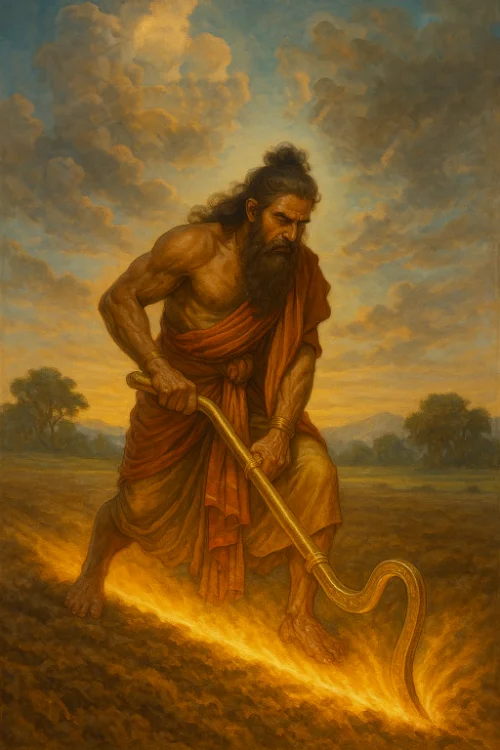
Long ago, the mighty and wise King Kuru, with immense energy, cultivated this sacred land for many years, and hence, it became famous in this world as Kurukṣetra—the field of Kuru!
राम उवाच
किमर्थं कुरूणां कृष्टं क्षेत्रमेतन्महात्मना ।
एतदिच्छाम्यहं श्रोतुं कथ्यमानं तपोधनाः ॥ ३ ॥
rāma uvāca
kimarthaṃ kurūṇāṃ kṛṣṭaṃ kṣetrametanmahātmanā |
etadicchāmyahaṃ śrotuṃ kathyamānaṃ tapodhanāḥ || 3 ||
Rama said "For what purpose did the great Kuru till this field? I wish to hear the full account, O sages of great austerities."
ऋषय ऊचुः
पुरा किल कुरुं राम कर्षन्त सततोत्थितम् ।
अभ्येत्य शक्रस्त्रिदिवात् पर्यपृच्छत कारणम् ॥ ४ ॥
इन्द्र उवाच किमिदं वर्तते राजन् प्रयत्नेन परेण च ।
राजर्षे किमभिप्रेत्य येनेयं कृष्यते क्षितिः ॥ ५ ॥
कुरुरुवाच इह ये पुरुषाः क्षेत्रे मरिष्यन्ति शतक्रतो ।
ते गमिष्यन्ति सुकृताँल्लोकान् पापविवर्जितान् ॥ ६ ॥
अवहस्य ततः शक्रो जगाम त्रिदिवं पुनः ।
राजर्षिरप्यनिर्विण्णः कर्षत्येव वसुधराम् ॥ ७ ॥
ṛṣaya ūcuḥ
purā kila kuruṃ rāma karṣanta satatotthitam |
abhyetya śakrastridivāt paryapṛcchata kāraṇam || 4 ||
indra uvāca kimidaṃ vartate rājan prayatnena pareṇa ca |
rājarṣe kimabhipretya yeneyaṃ kṛṣyate kṣitiḥ || 5 ||
kururuvāca iha ye puruṣāḥ kṣetre mariṣyanti śatakrato |
te gamiṣyanti sukṛtāṁllokān pāpavivarjitān || 6 ||
avahasya tataḥ śakro jagāma tridivaṃ punaḥ |
rājarṣirapyanirviṇṇaḥ karṣatyeva vasudharām || 7 ||
The Rishis said Formerly, O Rāma, Kuru, with great perseverance, was cultivating this field. Then Śakra, descending from the heavens, approached him and inquired the reason.
"What is this, O king, that you are so diligently engaged in? O royal sage, for what purpose are you tilling this land?"
"O wielder of the thunderbolt, those men who die upon this sacred field, shall ascend to blessed worlds, freed from all their sins!"
Laughing at this, Śakra returned to his celestial abode, yet, undeterred, the royal sage continued his labor upon the earth.
आगम्यागम्य चैवेनं भूयोभूयोऽवहस्य च ।
शतक्रतुरनिर्विण्णं पृष्ट्वा पृष्ट्वा जगाम ह ॥ ८ ॥
āgamyāgamya caivenaṃ bhūyobhūyo’vahasya ca |
śatakraturanirviṇṇaṃ pṛṣṭvā pṛṣṭvā jagāma ha || 8 ||
Time and again Śakra came to him, again and again he inquired, yet upon receiving the same reply, he left, mocking Kuru each time.
यदा तु तपसोग्रेण चकर्ष वसुधां नृपः । तु
ततः शक्रोऽब्रवीद् देवान् राजर्षेर्यचिकीर्षितम्॥९॥
yadā tu tapasogreṇa cakarṣa vasudhāṃ nṛpaḥ |
tataḥ śakro’bravīd devān rājarṣeryacikīrṣitam||9||
[10th verse missing in original text]
But as the king, through fierce penances, continued to till the land, Śakra then spoke to the gods of the royal sage's unwavering intent.
एतच्छुत्वाब्रुवन् देवाः सहस्राक्षमिदं वचः ।
अस्माननिष्ट्वा क्रतुभिर्भागो नो न भविष्यति ॥ ११ ॥
etacchutvābruvan devāḥ sahasrākṣamidaṃ vacaḥ |
asmānaniṣṭvā kratubhirbhāgo no na bhaviṣyati || 11 ||
Hearing these words of Indra, the gods addressed their thousand-eyed chief, saying—'If humans attain heaven merely by dying here without performing sacrifices to us, then our shares in the offerings will cease to exist!'
आगम्य च ततः शक्रस्तदा राजर्षिमब्रवीत् ।
अलं खेदेन भवतः क्रियतां वचनं मम ।। १२ ।।
मानवा ये निराहारा देहं त्यक्ष्यन्तन्द्रिताः ।
वा निहताः सम्यगपि तिर्यग्गता नृप ॥ १३ ॥
āgamya ca tataḥ śakrastadā rājarṣimabravīt |
alaṃ khedena bhavataḥ kriyatāṃ vacanaṃ mama || 12 ||
mānavā ye nirāhārā dehaṃ tyakṣyantandritāḥ |
vā nihatāḥ samyagapi tiryaggatā nṛpa || 13 ||
Indra then returned to the royal sage and spoke—'Enough, O king, cease your toil! Act according to my words!' Those men who abandon their bodies here in a state of fasting, with their senses fully restrained, or those who die here in battle, O ruler of men, shall ascend to heaven!'
ते स्वर्गभाजो राजेन्द्र भविष्यन्ति महामते ।
तथास्त्विति ततो राजा कुरुः शक्रमुवाच ह । ॥ १४ ॥
te svargabhājo rājendra bhaviṣyanti mahāmate |
tathāstviti tato rājā kuruḥ śakramuvāca ha | || 14 ||
Hearing this, the wise King Kuru said to Indra—'So be it! Let this be the fate of those who perish here in this sacred land!'.
ततस्तमभ्यनुज्ञाप्य प्रहष्टेनान्तरात्मना ।
जगाम त्रिदिवं भूयः क्षिप्रं वलनिषूदनः ॥ १५ ॥
tatastamabhyanujñāpya prahaṣṭenāntarātmanā |
jagāma tridivaṃ bhūyaḥ kṣipraṃ valaniṣūdanaḥ || 15 ||
Having received Kuru’s approval, the slayer of Vala, filled with joy, quickly ascended back to the celestial realms, his heart overflowing with delight.
एवमेतद् यदुश्रेष्ठं कृष्टं राजर्षिणा पुरा ।
शक्रेण चाभ्यनुज्ञातं ब्रह्माद्यैश्च सुरैस्तथा ॥ १६ ॥
evametad yaduśreṣṭhaṃ kṛṣṭaṃ rājarṣiṇā purā |
śakreṇa cābhyanujñātaṃ brahmādyaiśca suraistathā || 16 ||
Thus, O foremost of the Yadus, this field was cultivated by that royal sage of old, and it was sanctified by the approval of Indra and all the gods, along with Brahmā himself.
नातः परतरं पुण्यं भूमेः स्थानं भविष्यति ।
इह तपस्यन्ति ये केचित्तपः परमकं नरा ॥ १७ ॥
nātaḥ parataraṃ puṇyaṃ bhūmeḥ sthānaṃ bhaviṣyati |
iha tapasyanti ye kecittapaḥ paramakaṃ narā || 17 ||
No place on earth shall surpass this land in sacred merit! Whoever undertakes the highest austerities here shall attain supreme spiritual merit.
देहत्यागेन ते सर्वे यास्यन्ति ब्रह्मणः क्षयम् ।
ये पुनः पुण्यभाजो वै दानं दास्यन्ति मानवाः ॥ १८॥
dehatyāgena te sarve yāsyanti brahmaṇaḥ kṣayam |
ye punaḥ puṇyabhājo vai dānaṃ dāsyanti mānavāḥ || 18||
Those who renounce their bodies here shall attain the eternal abode of Brahman. And those men of virtue who offer gifts here shall be blessed a thousandfold.
तेषां सहस्रगुणितं भविष्यत्यचिरेण वै।
ये चेह नित्यं मनुजा निवत्स्यन्ति शुभैषिणः ॥ १९ ॥
teṣāṃ sahasraguṇitaṃ bhaviṣyatyacireṇa vai|
ye ceha nityaṃ manujā nivatsyanti śubhaiṣiṇaḥ || 19 ||
Their rewards shall be multiplied a thousand times in no time! And those who, with pious hearts, make this land their home shall find unending blessings.
यमस्य विषयं ते तु न द्रक्ष्यन्ति कदाचन ।
यक्ष्यन्ति ये च क्रतुभिर्महद्भिर्मनुजेश्वराः ॥ २० ॥
yamasya viṣayaṃ te tu na drakṣyanti kadācana |
yakṣyanti ye ca kratubhirmahadbhirmanujeśvarāḥ || 20 ||
Such men shall never have to behold the dread domain of Yama, and those kings who perform grand sacrifices here shall attain everlasting glory!
तेषां त्रिविष्टपे वासो यावद्भूमिर्धरिष्यति ।
अपि चात्र स्वयं शक्रो जगौ गाथां सुराधिपः ॥ २१ ॥
teṣāṃ triviṣṭape vāso yāvadbhūmirdhariṣyati |
api cātra svayaṃ śakro jagau gāthāṃ surādhipaḥ || 21 ||
Those who perform great sacrifices here shall reside in the heavenly realms of Triviṣṭapa for as long as the Earth herself endures.
Indeed, O Baladeva, listen now to the divine hymn composed and sung here by Shakra, the lord of the celestials!
कुरुक्षेत्रनिबद्धां वै तां शृणुष्व हलायुध ।
पांसवोऽपि कुरुक्षेत्राद् वायुना समुदीरिताः ।
अपि दुष्कृतकर्माणं नयन्ति परमां गतिम् ॥ २२ ॥
सुरर्षभा ब्राह्मणसत्तमाश्च तथा नृगाद्या नरदेवमुख्याः ।
इष्ट्वा महाहैः क्रतुभिर्नृसिंहा संत्यज्य देहान् सुगतिं प्रपन्नाः ॥ २३ ॥
kurukṣetranibaddhāṃ vai tāṃ śṛṇuṣva halāyudha |
pāṃsavo’pi kurukṣetrād vāyunā samudīritāḥ |
api duṣkṛtakarmāṇaṃ nayanti paramāṃ gatim || 22 ||
surarṣabhā brāhmaṇasattamāśca tathā nṛgādyā naradevamukhyāḥ |
iṣṭvā mahāhaiḥ kratubhirnṛsiṃhā saṃtyajya dehān sugatiṃ prapannāḥ || 23 ||
Even the dust of Kurukshetra, lifted and carried by the wind, can elevate even the most sinful souls to the highest realms of bliss! Such is the sacred power of this land, renowned throughout the three worlds!
The foremost of celestials, the greatest of Brahmanas, and many illustrious kings—such as the noble Nriga and others—having performed grand sacrifices here, ascended to the supreme regions after discarding their mortal bodies!
तरन्तुकारन्तुकयोर्यदन्तरं रामहदानां च मचक्रुकस्य च।
एतत् कुरुक्षेत्रसमन्तपञ्चकं प्रजापतेरुत्तरवेदिरुच्यते ॥ २४ ॥
tarantukārantukayoryadantaraṃ rāmahadānāṃ ca macakrukasya ca|
etat kurukṣetrasamantapañcakaṃ prajāpateruttaravedirucyate || 24 ||
The land that lies between the sacred Tarantuka and Arantuka rivers, as well as the divine lakes of Rāma and Chamachakra, is the famed Kurukshetra, known as Samantapañcaka—the northern sacrificial altar of Prajāpati, the Lord of all creatures.
शिवं महापुण्यमिदं दिवौकसां सुसम्मतं सर्वगुणैः समन्वितम् ।
अतश्च सर्वे निहता नृपा रणे यास्यन्ति पुण्यां गतिमक्षयां सदा ॥ २५ ॥
śivaṃ mahāpuṇyamidaṃ divaukasāṃ susammataṃ sarvaguṇaiḥ samanvitam |
ataśca sarve nihatā nṛpā raṇe yāsyanti puṇyāṃ gatimakṣayāṃ sadā || 25 ||
This land is auspicious, supremely sacred, and venerated by the gods. Blessed with all virtues, it is here that all Kshatriya warriors who fall in battle attain eternal, inexhaustible merit and celestial bliss!
इत्युवाच स्वयं शक्रः सह ब्रह्मादिभिस्तदा ।
तचानुमोदितं सर्वं ब्रह्मविष्णुमहेश्वरैः ॥ २६ ॥
ityuvāca svayaṃ śakraḥ saha brahmādibhistadā |
tacānumoditaṃ sarvaṃ brahmaviṣṇumaheśvaraiḥ || 26 ||
Thus spoke Indra himself, in the presence of Brahmā and the other gods. And all that he proclaimed was unanimously approved and sanctioned by Brahmā, Vishnu, and Maheshvara.
Full Synopsis of The Story of Samanta Panchaka
The sacred land of Kurukshetra, also called Samantapanchaka, is described as the eternal northern altar of Brahman, revered by celestials and mortals alike. The Rishis recount to Baladeva how this hallowed ground came to be sanctified by the unwavering efforts of King Kuru, a tremendous and determined royal sage.
In ancient times, King Kuru began cultivating the soil of Kurukshetra with steadfast perseverance, declaring that all who died upon this land would be freed from their sins and ascend to heavenly realms. Intrigued and skeptical, Indra (Shakra), the king of the celestials, repeatedly questioned Kuru's actions and ridiculed his efforts. Despite this, Kuru remained undeterred, continuing his labor with unshaken resolve.
Concerned that Kuru's declaration might undermine the necessity of sacrifices to the gods, Indra sought counsel from the celestials. They advised him to stop Kuru by granting him a boon. Returning to the king, Indra promised that those who fasted, fought in the battle, or died with full consciousness on this sacred plain would attain heaven. Kuru agreed to this condition, securing Kurukshetra's sanctity and ensuring it was a place of immense spiritual merit.
From then on, Kurukshetra was established as the holiest of lands, endorsed by Brahma, Vishnu, Maheshvara, and the celestials. The Rishis proclaimed that penances performed, wealth donated, or sacrifices conducted on this land would yield unparalleled spiritual rewards. Even the dust of Kurukshetra, carried by the wind, was said to cleanse sins and grant liberation.
The divine sanctity of Kurukshetra has drawn kings, sages, and celestials over the ages. This revered ground remains a sacred site for Kshatriyas, ensuring blissful regions for those who perished there in battle, as promised by Shakra and sanctioned by Brahman.