Mahābhārata - RAJADHARMANUSHASANA PARVA — Shanti parva
Chapter 54 - Yudhishthira, with all the Pandavas, goes again to Bhishma
जनमेजय उवाच
धर्मात्मनि महावीर्ये सत्यसंधे जितात्मनि ।
देवव्रते महाभागे शरतल्पगतेऽच्युते ॥ १॥
शयाने वीरशयने भीष्मे शान्तनुनन्दने ।
गाङ्गेये पुरुषव्याघ्रे पाण्डवैः पर्युपासिते ॥ २ ॥
का: कथा: समवर्तन्त तस्मिन् वीरसमागमे ।
हतेषु सर्वसैन्येषु तन्मे शंस महामुने || ३ ||
janamejaya uvāca
dharmātmani mahāvīrye satyasaṃdhe jitātmani |
devavrate mahābhāge śaratalpagate’cyute || 1||
śayāne vīraśayane bhīṣme śāntanunandane |
gāṅgeye puruṣavyāghre pāṇḍavaiḥ paryupāsite || 2 ||
kā: kathā: samavartanta tasmin vīrasamāgame |
hateṣu sarvasainyeṣu tanme śaṃsa mahāmune || 3 ||
Janamejaya said— When the blessed Devavrata — steadfast in dharma, possessed of immense might, firm in his vows of truth, and master of his self — was lying upon the bed of arrows, unshaken even in that state;
When Bhīṣma, the son of Śāntanu and Gaṅgā, a lion among men, rested upon that hero’s bed, surrounded and reverently attended by the Pāṇḍavas;
What discussions took place in that solemn gathering of warriors, after the great armies had been slain? O noble sage, please recount that to me.
वैशम्पायन उवाच
शरतल्पगते भीष्मे कौरवाणां धुरन्धरे ।
आजग्मुर्ऋऋषयः सिद्धा नारदप्रमुखा नृप || ४ ||
vaiśampāyana uvāca
śaratalpagate bhīṣme kauravāṇāṃ dhurandhare |
ājagmurṛṛṣayaḥ siddhā nāradapramukhā nṛpa || 4 ||
Vaishampayana said— When Bhishma, that chief of the Kurus, lay on his bed of arrows, many Rishis and Siddhas, O king, headed by Narada, came there.
हतशिष्टाश्च राजानो युधिष्ठिरपुरोगमाः ।
धृतराष्ट्रश्च कृष्णश्च भीमार्जुनयमास्तथा।।५।
hataśiṣṭāśca rājāno yudhiṣṭhirapurogamāḥ |
dhṛtarāṣṭraśca kṛṣṇaśca bhīmārjunayamāstathā||5|
And the kings who had survived the slaughter, headed by Yudhiṣṭhira, as well as Dhṛtarāṣṭra, Kṛṣṇa, Bhīma, Arjuna, and the twins (Nakula and Sahadeva), also came there.
तेऽभिगम्य महात्मानो भरतानां पितामहम् ।
अन्वशोचन्त गाङ्गेयमादित्यं पतितं यथा ॥ ६ ॥
te’bhigamya mahātmāno bharatānāṃ pitāmaham |
anvaśocanta gāṅgeyamādityaṃ patitaṃ yathā || 6 ||
Having approached the noble-hearted grandsire of the Bhāratas, those great souls mourned for Gāṅgeya (Bhīṣma), as one would grieve for the Sun fallen from the sky.
मुहूर्तमिव च ध्यात्वा नारदो देवदर्शनः ।
उवाच पाण्डवान् सर्वान् हतशिष्टांश्च पार्थिवान् ॥ ७ ॥
प्राप्तकालं समाचक्षे भीष्मोऽयमनुयुज्यताम्।
अस्तमेति हि गाङ्गेयो भानुमानिव भारत ॥८॥
muhūrtamiva ca dhyātvā nārado devadarśanaḥ |
uvāca pāṇḍavān sarvān hataśiṣṭāṃśca pārthivān || 7 ||
prāptakālaṃ samācakṣe bhīṣmo’yamanuyujyatām|
astameti hi gāṅgeyo bhānumāniva bhārata ||8||
Then, after meditating for a moment, Nārada, the divine seer, addressed all the Pāṇḍavas and the surviving kings, saying: “The proper time has arrived — Bhīṣma should now be questioned, for Gāṅgeya (the son of Gaṅgā) is about to set like the Sun, O Bhārata.”
अयं प्राणानुत्सिसृक्षुस्तं सर्वेऽभ्यनुपृच्छत ।
कृत्स्नात् विविधान् धर्मांश्चातुर्वर्ण्यस्य वेत्त्ययम् ॥ ९ ॥
ayaṃ prāṇānutsisṛkṣustaṃ sarve’bhyanupṛcchata |
kṛtsnāt vividhān dharmāṃścāturvarṇyasya vettyayam || 9 ||
He is about to release his life-breath — therefore, all of you should question him. He knows all the diverse dharmas (sacred duties) pertaining to the entire fourfold social order (cāturvarṇya).
एष वृद्धः पराँल्लोकान् सम्प्राप्नोति तनुं त्यजन् ।
तं शीघ्रमनुयुञ्जीध्वं संशयान् मनसि स्थितान् ॥ १० ॥
eṣa vṛddhaḥ parāṁllokān samprāpnoti tanuṃ tyajan |
taṃ śīghramanuyuñjīdhvaṃ saṃśayān manasi sthitān || 10 ||
This aged one, as he casts off his mortal body, shall attain the higher worlds. Therefore, approach him without delay and engage him — so that he may resolve the doubts that linger in your minds.
वैशम्पायन उवाच
एवमुक्ते नारदेन भीष्ममीयुर्नराधिपः ।
प्रष्टुं चाशक्नुवन्तस्ते वीक्षां चक्रुः परस्परम्।।११।।
vaiśampāyana uvāca
evamukte nāradena bhīṣmamīyurnarādhipaḥ |
praṣṭuṃ cāśaknuvantaste vīkṣāṃ cakruḥ parasparam||11||
Vaishampāyana said: After Narada had thus spoken, the princes approached Bhīṣma; yet, being unable to frame their questions, they merely looked at one another in silence.
अथोवाच हृषीकेशं पाण्डुपुत्रो युधिष्ठिरः ।
नान्यस्तु देवकीपुत्राच्छक्तः प्रष्टुं पितामहम्॥१२॥
athovāca hṛṣīkeśaṃ pāṇḍuputro yudhiṣṭhiraḥ |
nānyastu devakīputrācchaktaḥ praṣṭuṃ pitāmaham||12||
Then Yudhiṣṭhira, the son of Pāṇḍu, said to Hṛṣīkeśa (Kṛṣṇa), “None but the son of Devakī is capable of questioning the grandsire.”
प्रव्याहर यदुश्रेष्ठ त्वमग्रे मधुसूदन ।
त्वं हि नस्तात सर्वेषां सर्वधर्मविदुत्तमः ॥ १३ ॥
pravyāhara yaduśreṣṭha tvamagre madhusūdana |
tvaṃ hi nastāta sarveṣāṃ sarvadharmaviduttamaḥ || 13 ||
Speak, O foremost of the Yādavas, you go first, O Madhusūdana (slayer of Madhu); for you, dear one, are the best among us all and the supreme knower of all dharmas.
एवमुक्तः पाण्डवेन भगवान् केशवस्तदा ।
अभिगम्य दुराधर्षं प्रव्याहारयदच्युतः।।१४॥
evamuktaḥ pāṇḍavena bhagavān keśavastadā |
abhigamya durādharṣaṃ pravyāhārayadacyutaḥ||14||
Thus addressed by the son of Pāṇḍu, the Blessed Lord Keśava, the undecaying (Acyuta), approached the unconquerable Bhīṣma and spoke to him.
वासुदेव उवाच
कच्चित् सुखेन रजनी व्युष्टा ते राजसत्तम ।
विस्पष्टलक्षणा बुद्धिः कच्चिच्चोपस्थिता तव ।। १५ ।।
kaccit sukhena rajanī vyuṣṭā te rājasattama |
vispaṣṭalakṣaṇā buddhiḥ kacciccopasthitā tava || 15 ||
Vāsudeva said— "O best of kings, has the night passed pleasantly for you? Has your mind become clear, and is your discernment now steady and unobstructed?"
कच्चिज्ज्ञानानि सर्वाणि प्रतिभान्ति च तेऽनघ ।
न ग्लायते च हृदयं न च ते व्याकुलं मनः ।। १६ ।।
kaccijjñānāni sarvāṇi pratibhānti ca te’nagha |
na glāyate ca hṛdayaṃ na ca te vyākulaṃ manaḥ || 16 ||
Do all the forms of knowledge still shine forth in you, O sinless one? I hope your heart does not grow faint and your mind is not disturbed or unsettled.
भीष्म उवाच
दाहो मोह : श्रमश्चैव क्लमो ग्लानिस्तथा रुजा ।
तव प्रसादाद् वार्ष्णेय सद्यः प्रतिगतानि मे ।। १७ ।।
bhīṣma uvāca
dāho moha : śramaścaiva klamo glānistathā rujā |
tava prasādād vārṣṇeya sadyaḥ pratigatāni me || 17 ||
Bhīṣma said — “The burning, confusion, fatigue, exhaustion, weariness, and pain — all of these, O Vārṣṇeya (scion of the Vṛṣṇi clan), have departed from me instantly through your grace.”
यच्च भूतं भविष्यच्च भवच्च परमद्युते ।
तत् सर्वमनुपश्यामि पाणौ फलमिवार्पितम् ॥१८॥
yacca bhūtaṃ bhaviṣyacca bhavacca paramadyute |
tat sarvamanupaśyāmi pāṇau phalamivārpitam ||18||
O you of supreme brilliance (paramadyute), I perceive — as clearly as a fruit placed in my palm — all that has been (past), all that shall be (future), and all that is (present).
वेदोक्ताश्चैव ये धर्मा वेदान्ताधिगताश्च ये ।
तान् सर्वान् सम्प्रपश्यामि वरदानात् तवाच्युत।। १९॥
vedoktāścaiva ye dharmā vedāntādhigatāśca ye |
tān sarvān samprapaśyāmi varadānāt tavācyuta|| 19 ||
O Acyuta [Kṛṣṇa], by the boon granted by you, I now perceive clearly all the dharmas declared in the Vedas as well as those discerned through Vedānta (the highest philosophical culmination of the Vedas).
शिष्टैश्च धर्मो यः प्रोक्तः स च मे हृदि वर्तते ।
देशजातिकुलानां च धर्मज्ञोऽस्मि जनार्दन ॥ २० ॥
śiṣṭaiśca dharmo yaḥ proktaḥ sa ca me hṛdi vartate |
deśajātikulānāṃ ca dharmajño’smi janārdana || 20 ||
The dharma that has been declared by the learned and the righteous (śiṣṭas) remains firmly embedded in my heart. O Janārdana, I am also well-versed in the customary laws and duties pertaining to various regions, tribes, and families.
चतुर्व्वाश्रमधर्मेषु योऽर्थः स च हृदि स्थितः ।
राजधर्मांश्च सकलानवगच्छामि केशव । ॥ २१॥
caturvvāśramadharmeṣu yo’rthaḥ sa ca hṛdi sthitaḥ |
rājadharmāṃśca sakalānavagacchāmi keśava | || 21||
The meaning and principles of the duties pertaining to the four āśramas (modes of life) are firmly embedded in my heart. I also thoroughly understand all aspects of royal dharma, O Keśava.
यच्च यत्र च वक्तव्यं तद् वक्ष्यामि जनार्दन ।
तव प्रसादाद्धि शुभा मनो मे बुद्धिराविशत् ॥ २२ ॥
yacca yatra ca vaktavyaṃ tad vakṣyāmi janārdana |
tava prasādāddhi śubhā mano me buddhirāviśat || 22 ||
O Janārdana, I shall speak what ought to be spoken, and when it ought to be spoken. Indeed, by your grace, an auspicious clarity of intellect has entered my mind.
युवेवास्मि समावृत्तस्त्वदनुधयनबृंहितः ।
वक्तुं श्रेयः समर्थोऽस्मि त्वत्प्रसादाज्जनार्दन || २३॥
yuvevāsmi samāvṛttastvadanudhayanabṛṃhitaḥ |
vaktuṃ śreyaḥ samartho’smi tvatprasādājjanārdana || 23||
Nourished and invigorated through contemplation upon you, I feel as though I have returned to the strength of youth. By your grace, O Janārdana, I am now capable of speaking what is truly beneficial (śreyas) for the world.
स्वयं किमर्थं तु भवाञ्श्रेयो न प्राह पाण्डवम् ।
किं ते विवक्षितं चात्र तदाशु वद माधव || २४ ॥
svayaṃ kimarthaṃ tu bhavāñśreyo na prāha pāṇḍavam |
kiṃ te vivakṣitaṃ cātra tadāśu vada mādhava || 24 ||
But why, O revered one, do you not yourself declare to the son of Pāṇḍu what is for his highest good (śreyas)? What is your intent in this? Tell me that quickly, O Mādhava!
वासुदेव उवाच
यशसः श्रेयसश्चैव मूलं मां विद्धि कौरव ।
मत्तः सर्वेऽभिनिर्वृत्ता भावाः सदसदात्मकाः ॥ २५ ॥
vāsudeva uvāca
yaśasaḥ śreyasaścaiva mūlaṃ māṃ viddhi kaurava |
mattaḥ sarve’bhinirvṛttā bhāvāḥ sadasadātmakāḥ || 25 ||
Vasudeva said: Know Me, O Kaurava, as the root cause of fame (yaśas) and of the highest good (śreyas). From Me arise all entities (bhāvāḥ), both of the nature of existence (sat) and non-existence (asat).
शीतांशुश्चन्द्र इत्युक्ते लोके को विस्मयिष्यति ।
तथैव यशसा पूर्णे मयि को विस्पयिष्यति ॥ २६ ॥
śītāṃśuścandra ityukte loke ko vismayiṣyati |
tathaiva yaśasā pūrṇe mayi ko vispayiṣyati || 26 ||
Who in the world would feel wonder if someone says that the Moon has cool rays? In the same way, who would be astonished if I am described as full of glory (yaśas)?
आधेयं तु मया भूयो यशस्तव महाद्युते ।
ततो मे विपुला बुद्धिस्त्वयि भीष्म समर्पिता || २७ ॥
ādheyaṃ tu mayā bhūyo yaśastava mahādyute |
tato me vipulā buddhistvayi bhīṣma samarpitā || 27 ||
But I have resolved, O Bhīṣma of radiant glory, to increase your fame further. That is why, O Bhīṣma, I have bestowed great understanding upon you.
याबद्धि पृथिवीपाल पृथ्वीयं स्थास्यति ध्रुवा ।
तावत् तत्तवाक्षया कीर्तिर्लोकाननुचरिष्यति ।। २८ ।।
yābaddhi pṛthivīpāla pṛthvīyaṃ sthāsyati dhruvā |
tāvat tattavākṣayā kīrtirlokānanucariṣyati || 28 ||
As long as, O ruler of the Earth, the firm Earth shall endure, so long shall your unfading fame follow across all the worlds.
यच्च त्वं वक्ष्यसे भीष्म पाण्डवायानुपृच्छते ।
वेदप्रवाद इव ते स्थास्यते वसुधातले ॥२९॥
yacca tvaṃ vakṣyase bhīṣma pāṇḍavāyānupṛcchate |
vedapravāda iva te sthāsyate vasudhātale ||29||
And whatever you, O Bhīṣma, shall speak in response to the inquiries of the son of Pāṇḍu, that shall remain established on the face of the Earth like a declaration from the Veda.
यश्चैतेन प्रमाणेन योक्ष्यत्यात्मानमात्मना ।
स फलं सर्वपुण्यानां प्रेत्य चानुभविष्यति ।। ३० ।।
yaścaitena pramāṇena yokṣyatyātmānamātmanā |
sa phalaṃ sarvapuṇyānāṃ pretya cānubhaviṣyati || 30 ||
And whoever shall regulate himself by this standard — mastering the self by the self — he shall enjoy, after death, the fruit of all virtuous deeds.
एतस्मात् कारणाद् भीष्म मतिर्दिव्या मया हि ते ।
दत्ता यशो विप्रथयेत् कथं भूयस्तवेति ह ||३१||
etasmāt kāraṇād bhīṣma matirdivyā mayā hi te |
dattā yaśo viprathayet kathaṃ bhūyastaveti ha ||31||
For this reason, O Bhīṣma, I have granted you divine intellect — so that your fame might spread even more widely throughout the world.
यावद्धि प्रथते लोके पुरुषस्य यशो भुवि ।
तावत् तस्याक्षयं स्थानं भवतीति विनिश्चिता ॥ ३२॥
yāvaddhi prathate loke puruṣasya yaśo bhuvi |
tāvat tasyākṣayaṃ sthānaṃ bhavatīti viniścitā || 32||
As long as a man’s fame spreads in the world, his abode in the higher realms remains undiminished — this is the established truth.
राजानो हतशिष्टास्त्वां राजन्नभित आसते ।
धर्माननुयुयुक्षन्तस्तेभ्यः प्रब्रूहि भारत। ॥ ३३ ॥
rājāno hataśiṣṭāstvāṃ rājannabhita āsate |
dharmānanuyuyukṣantastebhyaḥ prabrūhi bhārata| || 33 ||
O King, the surviving monarchs — the remnants of the great war — now sit encircling you, O ruler of men. Eager to pursue the path of Dharma, they await your words. Therefore, instruct them, O Bhārata.
भवान् हि वयसा वृद्धः श्रुताचारसमन्वितः ।
कुशलो राजधर्माणां सर्वेषामपराश्च ये ॥३४॥
bhavān hi vayasā vṛddhaḥ śrutācārasamanvitaḥ |
kuśalo rājadharmāṇāṃ sarveṣāmaparāśca ye ||34||
You are venerable with age and endowed with knowledge of the scriptures and righteous conduct. You are well-versed in the royal duties, as well as all the other kinds of dharmas.
जन्मप्रभृति ते कश्चिद् वृजिनं न ददर्श ह ।
ज्ञातारं सर्वधर्माणां त्वां विदुः सर्वपार्थिवाः ।। ३५ ।।
janmaprabhṛti te kaścid vṛjinaṃ na dadarśa ha |
jñātāraṃ sarvadharmāṇāṃ tvāṃ viduḥ sarvapārthivāḥ || 35 ||
From the moment of your birth, no one has ever seen you commit even the slightest transgression. All the kings know you to be the knower of all forms of Dharma.
तेभ्यः पितेव पुत्रेभ्यो राजन् ब्रूहि परं नयम् ।
ऋषयश्चैव देवाश्च त्वया नित्यमुपासिताः || ३६ ||
tebhyaḥ piteva putrebhyo rājan brūhi paraṃ nayam |
ṛṣayaścaiva devāśca tvayā nityamupāsitāḥ || 36 ||
Therefore, O King, speak to them of supreme morality as a father would to his sons. You have always worshipped the sages and the gods.
तस्माद् वक्तव्यमेवेदं त्वयावश्यमशेषतः ।
धर्मं शुश्रूषमाणेभ्यः पृष्टेन च सता पुनः ।। ३७ ।।
वक्तव्यं विदुषा चेति धर्ममाहुर्मनीषिणाः ।
tasmādva ktavyamevedaṃ tvayāvaśyamaśeṣataḥ |
dharmaṃ śuśrūṣamāṇebhyaḥ pṛṣṭena ca satā punaḥ || 37 ||
vaktavyaṃ viduṣā ceti dharmamāhurmanīṣiṇāḥ |
Therefore, this discourse must indeed be given by you — in full and without omission — to these eager listeners who long to hear of dharma, and who have asked you with sincerity. The wise declare it to be a duty that a learned person, when approached by the righteous, must speak on dharma.
अप्रतिब्रुवतः कष्टो दोषो हि भविता प्रभो ॥ ३८ ॥
तस्मात् पुत्रैश्च पौत्रेश्च धर्मान् पृष्टान् सनातनान्।
विद्वाजिज्ञासमानैस्त्वं प्रब्रूहि भरतर्षभ ।। ३९ ।।
apratibruvataḥ kaṣṭo doṣo hi bhavitā prabho || 38 ||
tasmāt putraiśca pautreśca dharmān pṛṣṭān sanātanān|
vidvājijñāsamānaistvaṃ prabrūhi bharatarṣabha || 39 ||
If, O mighty one, you do not respond when questioned, a grave fault will arise. Therefore, being asked by your sons and grandsons — who earnestly seek to know — about the eternal dharmas, you, O foremost of the Bharatas, should instruct them.
Full Synopsis of Yudhishthira, with all the Pandavas, goes again to Bhishma
After the devastating war of Kurukṣetra, the noble king Janamejaya inquires from the sage Vaiśampāyana about the final teachings given by Bhīṣma, the grandsire of the Kuru race, who lay on his bed of arrows. Janamejaya wishes to know what profound discussions took place among the surviving warriors and sages in that sacred gathering, after the slaughter of the great armies.
Vaiśampāyana recounts:
As Bhīṣma, steadfast in dharma and master of self-restraint, rested upon the arrows, many divine sages, including Nārada, gathered there. The Pāṇḍavas, Dhṛtarāṣṭra, Kṛṣṇa, and other surviving monarchs also arrived to pay homage to him, mourning him like one grieves for the fallen sun.
Sensing the moment's urgency, Nārada declared that the time had come to question Bhīṣma, for he was nearing death and possessed unmatched knowledge of all worldly and spiritual dharmas. His passing would be like the sun's setting— thus, his wisdom should be drawn out before it vanishes.
The princes, though eager, were hesitant and silent. Then Yudhiṣṭhira turned to Kṛṣṇa, acknowledging that none but He, the supreme knower of dharma, was worthy to initiate the dialogue. At Yudhiṣṭhira’s request, Kṛṣṇa (Keśava) approached Bhīṣma and gently asked if his mind was clear and his discernment unclouded.
Bhīṣma responded that through Kṛṣṇa’s grace, all his suffering had vanished. His mind was now illuminated, perceiving past, present, and future as clearly as a fruit in the hand. Blessed by divine intellect, he was ready to speak on dharma, having regained a youthful clarity and vigor.
Bhīṣma, however, questioned why Kṛṣṇa Himself, the supreme origin of dharma and all beings, did not instruct the princes. Kṛṣṇa replied that although He was the source of śreyas (the highest good), He had bestowed that wisdom upon Bhīṣma to glorify him and ensure his fame would endure eternally across the worlds.
Kṛṣṇa declared that whatever Bhīṣma would teach would be as authoritative as the Vedas themselves. Those who live by Bhīṣma’s words will gain the fruits of all virtuous deeds. Hence, he had endowed Bhīṣma with divine insight so that his teachings on dharma may become immortal.
Finally, Kṛṣṇa urged Bhīṣma to speak without reservation, for all the surviving kings, gathered around him, eagerly awaited instruction. As one venerable in age, conduct, and scriptural knowledge, Bhīṣma was the right person to guide them. Kṛṣṇa reminded him that when the righteous seek answers, it is the sacred duty of the wise to respond.
Thus begins the grand discourse on Dharma, delivered by Bhīṣma from his bed of arrows — a timeless treasury of ethical, spiritual, and political wisdom, recorded in the Śānti Parva.


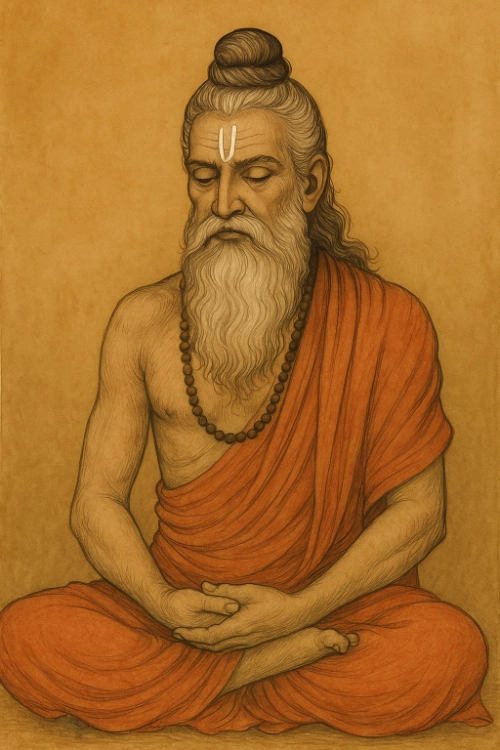
Commentary
Why Bhīṣma is called Dhurandhara:
Bearer of Dynastic Responsibility: Bhīṣma upheld the lineage and affairs of the Kuru dynasty after Śāntanu, ensuring its political and moral continuity through generations, even at great personal cost (like taking the terrible vow of celibacy). Upholder of Dharma in Crisis: He served as the ultimate reference point of dharma (righteous duty), law, and wisdom for both Kauravas and Pāṇḍavas, especially in times when the throne was weak or contested. Stabilizing Force in War and Peace: During both peace and war, Bhīṣma was the strategist and guardian. Even in the Kurukṣetra war, as the commander of the Kaurava forces, he was seen as the pillar without whom the war could not proceed. Spiritual and Moral Weight: Even while lying on a bed of arrows, he bore the burden of transmitting wisdom and guiding Yudhiṣṭhira in matters of ethics, governance, and salvation — the entire Śānti Parva stems from this role.