Mahābhārata - RAJADHARMANUSHASANA PARVA — Shanti parva
Chapter 55 - Bhishma says that he remembers all the duties. Krishna says the authority of Bhishma's words
वैशम्पायन उवाच
अथाब्रवीन्महातेजा वाक्यं कौरवनन्दनः ।
हन्त धर्मान् प्रवक्ष्यामि दृढे वाङ्मनसी मम ॥ | १ ||
तव प्रसादाद् गोविन्द भूतात्मा ह्यासि शाश्वतः ।
vaiśampāyana uvāca
athābravīnmahātejā vākyaṃ kauravanandanaḥ |
hanta dharmān pravakṣyāmi dṛḍhe vāṅmanasī mama || | 1 ||
tava prasādād govinda bhūtātmā hyāsi śāśvataḥ |
Vaishampāyana said: Then Bhīṣma, the highly radiant scion of the Kurus, spoke these words: "Indeed, I shall now declare the dharmas (duties) — for my speech and mind are firmly composed. Through your grace, O Govinda, you who are the eternal soul of all beings, I am now clear and steady."
युधिष्ठिरस्तु धर्मात्मा मां धर्माननुपृच्छतु ।
एवं प्रीतो भविष्यामि धर्मान् वक्ष्यामि चाखिलान् ॥ २ ॥
yudhiṣṭhirastu dharmātmā māṃ dharmānanupṛcchatu |
evaṃ prīto bhaviṣyāmi dharmān vakṣyāmi cākhilān || 2 ||
Let Yudhishthira, who is truly devoted to righteousness (dharmātmā), question me regarding the principles of dharma (morality and duty). If he does so, I shall be pleased, and I will then expound all the duties in their entirety.
यस्मिन् राजर्षभे जाते धर्मात्मनि महात्मनि ।
अहृष्यन्नृषयः सर्वे स मां पृच्छतु पाण्डव । ॥ ३ ॥
yasmin rājarṣabhe jāte dharmātmani mahātmani |
ahṛṣyannṛṣayaḥ sarve sa māṃ pṛcchatu pāṇḍava | || 3 ||
यस्मिन् राजर्षभे जाते धर्मात्मनि महात्मनि । अहृष्यन्नृषयः सर्वे स मां पृच्छतु पाण्डव । ॥ ३ ॥
yasmin rājarṣabhe jāte dharmātmani mahātmani | ahṛṣyannṛṣayaḥ sarve sa māṃ pṛcchatu pāṇḍava | || 3 ||
Let the son of Pandu, that virtuous and noble royal sage, upon whose birth all the Vrishnis were filled with joy, question me.
सर्वेषां दीप्तयशसां कुरूणां धर्मचारिणाम् ।
यस्य नास्ति समः कश्चित् स मां पृच्छतुं पाण्डवः ॥४॥
sarveṣāṃ dīptayaśasāṃ kurūṇāṃ dharmacāriṇām |
yasya nāsti samaḥ kaścit sa māṃ pṛcchatuṃ pāṇḍavaḥ ||4||
Let the son of Pāṇḍu — who has no equal among all the illustrious Kurus, among those who shine with fame and those who walk the path of righteousness — let him ask me questions.
धृतिर्दमो ब्रह्मचर्यं क्षमा धर्मश्च नित्यदा ।
यस्मिन्नोजश्च स मां पृच्छतु पाण्डवः ॥५॥
dhṛtirdamo brahmacaryaṃ kṣamā dharmaśca nityadā |
yasminnojaśca sa māṃ pṛcchatu pāṇḍavaḥ ||5||
Let the son of Pāṇḍu — in whom reside steadfastness (dhṛti), self-restraint (dama), celibate discipline (brahmacarya), forgiveness (kṣamā), perpetual righteousness (dharmas ca nityadā), and energy (ojas) — let him ask me questions.
सम्बन्धिनोऽतिथीन् भृत्यान् संश्रितांश्चैव यो भृशम्।
सम्मानयति सत्कृत्य स मा पृच्छतु पाण्डवः ॥६॥
sambandhino’tithīn bhṛtyān saṃśritāṃścaiva yo bhṛśam|
sammānayati satkṛtya sa mā pṛcchatu pāṇḍavaḥ ||6||
Let the son of Pāṇḍu, who consistently shows deep respect and honor — with due hospitality — to his kinsmen (sambandhinaḥ), guests (atithīn), servants (bhṛtyān), and dependants or seekers of refuge (saṁśritān), let him question me.
सत्यं दानं तपः शौर्यं शान्तिर्दाक्ष्यमसम्भ्रमः ।
यस्मिन्नेतानि सर्वाणि स मां पृच्छतु पाण्डवः ॥७॥
satyaṃ dānaṃ tapaḥ śauryaṃ śāntirdākṣyamasambhramaḥ |
yasminnetāni sarvāṇi sa māṃ pṛcchatu pāṇḍavaḥ ||7||
Let the son of Pāṇḍu, within whom all these qualities reside — truthfulness (satya), generosity (dāna), austerity (tapas), heroism (śaurya), peacefulness (śānti), skillfulness (dākṣya), and composure or freedom from agitation (asaṁbhrama) — let him question me.
यो न कामान्न संरम्भान्न भयान्नार्थकारणात्।
कुर्यादधर्मं धर्मात्मा स मां पृच्छतु पाण्डवः ।।८।।
yo na kāmānna saṃrambhānna bhayānnārthakāraṇāt|
kuryādadharmaṃ dharmātmā sa māṃ pṛcchatu pāṇḍavaḥ ||8||
Let the righteous-souled son of Pāṇḍu, who would never act unrighteously out of desire (kāma), anger (saṁrambha), fear (bhaya), or motive for gain (arthakāraṇa), be the one to question me.
सत्यनित्यः क्षमानित्यो ज्ञाननित्योऽतिथिप्रियः ।
यो ददाति सतां नित्यं स मां पृच्छतु पाण्डवः ॥ ९ ॥
satyanityaḥ kṣamānityo jñānanityo’tithipriyaḥ |
yo dadāti satāṃ nityaṃ sa māṃ pṛcchatu pāṇḍavaḥ || 9 ||
Let the son of Pāṇḍu — who is ever steadfast in truth (satya-nityaḥ), constant in forgiveness (kṣamā-nityaḥ), unwavering in knowledge (jñāna-nityaḥ), fond of honoring guests (atithi-priyaḥ), and who daily offers gifts to the virtuous (satāṁ nityaṁ dadāti) — be the one to question me.
इज्याध्ययननित्यस्य धर्मे च निरतः सदा ।
क्षान्त: श्रुतरहस्यश्च स मां पृच्छतु पाण्डवः ।।१०॥
ijyādhyayananityasya dharme ca nirataḥ sadā |
kṣānta: śrutarahasyaśca sa māṃ pṛcchatu pāṇḍavaḥ ||10||
Let the son of Pāṇḍu — who is ever devoted to performing sacrifices (ijyā) and studying the sacred texts (adhyayana), who is always engaged in righteousness (dharme nirataḥ sadā), ever forbearing (kṣāntaḥ), and well-versed in esoteric spiritual knowledge (śruta-rahasyaḥ) — be the one to question me.
वासुदेव उवाच
लज्जया परयोपेतो धर्मराजो युधिष्ठिरः ।
अभिशापभयाद् भीतो भवन्तं नोपसर्पति ।। ११ ।।
vāsudeva uvāca
lajjayā parayopeto dharmarājo yudhiṣṭhiraḥ |
abhiśāpabhayād bhīto bhavantaṃ nopasarpati || 11 ||
Vasudeva said— Yudhishthira, the king devoted to righteousness (dharmarāja), overcome by intense shame (lajjayā parayā upetaḥ) and afraid of being cursed (abhishāpa-bhayāt), does not dare to come near you.
लोकस्य कदनं कृत्वा लोकनाथो विशाम्पते ।
अभिशापभयाद् भीतो भवन्तं नोपसर्पति ॥ १२ ॥
lokasya kadanaṃ kṛtvā lokanātho viśāmpate |
abhiśāpabhayād bhīto bhavantaṃ nopasarpati || 12 ||
Having caused the destruction (kadanam) of the people (lokasya), that lord of the world (lokanāthaḥ), O monarch (viśām-pate), out of fear of your curse (abhiśāpa-bhayāt), does not dare to approach you.
पूज्यान् मान्यांश्च भक्तांश्च गुरून् सम्बन्धिबान्धवान्।
अर्घार्हानिषुभिर्भित्त्वा भवन्तं नोपसर्पति ।। १३ ।।
pūjyān mānyāṃśca bhaktāṃśca gurūn sambandhibāndhavān|
arghārhāniṣubhirbhittvā bhavantaṃ nopasarpati || 13 ||
Having pierced with arrows those who were worthy of worship (pūjyān), deserving of honor (mānyān), devoted to him (bhaktān), his own preceptors (gurūn), and his relatives and kinsmen (sambandhi-bāndhavān), and those who were fit recipients of homage (arghārhān), he dares not now approach you.
भीष्म उवाच
ब्राह्मणानां यथा धर्मो दानमध्ययनं तपः ।
क्षत्रियाणां तथा कृष्ण समरे देहपातनम् ||१४||
bhīṣma uvāca
brāhmaṇānāṃ yathā dharmo dānamadhyayanaṃ tapaḥ |
kṣatriyāṇāṃ tathā kṛṣṇa samare dehapātanam ||14||
Bhīṣma said — Just as it is the dharma of the Brāhmaṇas to engage in charity (dāna), study of the Vedas (adhyayana), and austerities (tapas), so too, O Kṛṣṇa, is it the dharma of Kṣatriyas to lay down their lives in battle (samare dehapātanam).
पितृन् पितामहान् भ्रातृन् गुरून् सम्बन्धिबान्धवान् ।
मिथ्याप्रवृत्तान् यः संख्ये निहन्याद् धर्म एव सः ।। १५ ।।
pitṛn pitāmahān bhrātṛn gurūn sambandhibāndhavān |
mithyāpravṛttān yaḥ saṃkhye nihanyād dharma eva saḥ || 15 ||
He who, in battle, slays his fathers, grandfathers, brothers, teachers, relatives, and kinsmen when they have taken up arms in unrighteousness (mithyā-pravṛttān) — such a person acts in accordance with dharma alone.
समयत्यागिनो
लुब्धान् गुरूनपि च केशव ।
निहन्ति समरे पापान् क्षत्रियो यः स धर्मवित् ॥ १६ ॥
samayatyāgino
lubdhān gurūnapi ca keśava |
nihanti samare pāpān kṣatriyo yaḥ sa dharmavit || 16 ||
The Kṣatriya, O Keśava, who slays even his own preceptors (gurūn) in battle — if they are sinful (pāpān), greedy (lubdhān), and have abandoned the sacred codes (samaya-tyāginah) — he alone is truly a knower of dharma.
यो लोभान्न समीक्षेत धर्मसेतुं सनातनम् ।
निहन्ति यस्तं समरे क्षत्रियो वै स धर्मवित् ॥ १७॥
yo lobhānna samīkṣeta dharmasetuṃ sanātanam |
nihanti yastaṃ samare kṣatriyo vai sa dharmavit || 17||
That Kṣatriya is truly the knower of dharma who, in battle, slays a man who, out of greed, disregards the eternal boundary of righteousness (dharmasetuḥ sanātanaḥ).
लोहितोदां केशतृणां गजशैलां ध्वजद्रुमाम् ।
महीं करोति युद्धेषु क्षत्रियो यः स धर्मवित् ।। १८ ।।
lohitodāṃ keśatṛṇāṃ gajaśailāṃ dhvajadrumām |
mahīṃ karoti yuddheṣu kṣatriyo yaḥ sa dharmavit || 18 ||
That Kṣatriya is truly the knower of dharma who, in battle, transforms the Earth into a blood-filled lake, with the severed hair of warriors as its grass, fallen elephants as its mountains, and broken standards as the trees lining its banks.
आहूतेन रणे नित्यं योद्धव्यं क्षत्रवन्धुना ।
धर्म्यं स्वर्ग्यं च लोक्यं च युद्धं हि मनुरब्रवीत् ॥ १९॥
āhūtena raṇe nityaṃ yoddhavyaṃ kṣatravandhunā |
dharmyaṃ svargyaṃ ca lokyaṃ ca yuddhaṃ hi manurabravīt || 19||
A Kṣatriya, when summoned to battle, must always fight. For Manu has declared that such warfare is righteous (dharmya), leads to heaven (svargya), and is conducive to earthly fame (lokya).
वैशम्पायन उवाच
एवमुक्तस्तु भीष्मेण धर्मपुत्रो युधिष्ठिरः ।
विनीतवदुपागम्य तस्थौ संदर्शनेऽग्रतः ॥ २० ॥
vaiśampāyana uvāca
evamuktastu bhīṣmeṇa dharmaputro yudhiṣṭhiraḥ |
vinītavadupāgamya tasthau saṃdarśane’grataḥ || 20 ||
Vaishampāyana said— Thus addressed by Bhīṣma, the son of Dharma, Yudhiṣṭhira, approached him with humility and stood respectfully before him, ready to listen.
अथास्य पादौ जग्राह भीष्मश्चापि ननन्द तम् ।
मूर्ध्नि चैनमुपाघ्राय निषीदेत्यब्रवीत् तदा ॥ २१॥
athāsya pādau jagrāha bhīṣmaścāpi nananda tam |
mūrdhni cainamupāghrāya niṣīdetyabravīt tadā || 21||
Then Yudhishthira grasped Bhīṣma's feet, and Bhīṣma, delighted with him, affectionately smelled his head and said to him, "Sit down."
तमुवाचाथ गाङ्गेयो वृषभ: सर्वधन्विनाम् ।
मां पृच्छ तात विश्रब्धं मा भैस्त्वं कुरुसत्तम । ॥ २२ ॥
tamuvācātha gāṅgeyo vṛṣabha: sarvadhanvinām |
māṃ pṛccha tāta viśrabdhaṃ mā bhaistvaṃ kurusattama | || 22 ||
Then Gāṅgeya (Bhīṣma), the foremost among all bowmen, said to Yudhishṭhira: “Ask me, O dear child, with full confidence. Do not fear, O best of the Kurus.”
Full Synopsis of Bhishma says that he remembers all the duties. Krishna says the authority of Bhishma's words.
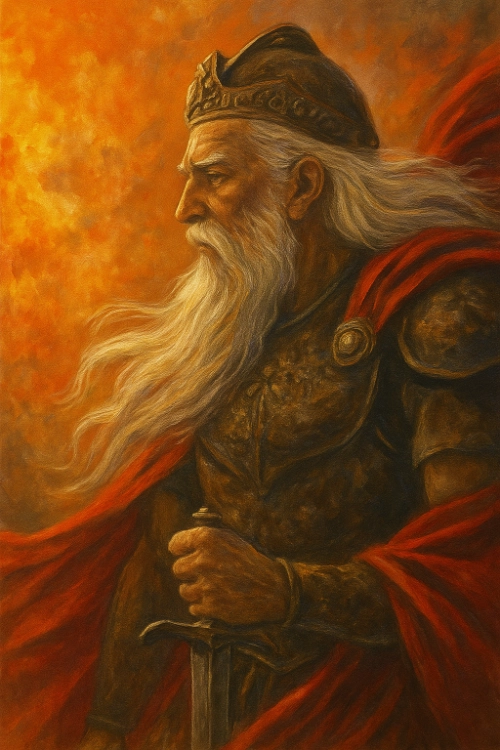
After the war, the venerable Bhīṣma, now lying on his bed of arrows, declares that he is mentally composed and ready to expound the complete range of dharmas (duties and moral law). He invites Yudhishṭhira, the virtuous son of Pāṇḍu, to question him, expressing great reverence for his character, highlighting Yudhishṭhira's truthfulness, generosity, restraint, compassion, and unwavering dedication to righteousness.
Bhīṣma praises Yudhishṭhira as a ruler of unmatched integrity, who honors guests, relatives, and subordinates with equal care, and remains unaffected by anger, greed, or fear. He affirms that such a man is worthy of learning the profound truths of dharma.
Vasudeva (Kṛṣṇa) interjects to explain that Yudhishṭhira, overcome with shame and fear of a curse, hesitates to approach Bhīṣma. The king grieves deeply for the destruction caused by the war, especially for having slain revered elders and loved ones who were dear to him.
In response, Bhīṣma reassures him. Drawing from dharmaśāstra, he asserts that a Kṣatriya's sacred duty is to fight in a righteous battle. If enemies—even teachers or relatives—act out of greed or abandon righteousness, then slaying them in war is not sinful but indeed a fulfillment of one’s dharma.
Bhīṣma proclaims that true knowledge of dharma lies in upholding righteousness, even when it means creating a blood-soaked battlefield to preserve cosmic order. He recalls Manu’s declaration that righteous warfare leads to heaven and honor.
Thus reassured, Yudhishṭhira humbly approaches Bhīṣma, touches his feet, and is received warmly. Bhīṣma, pleased and affectionate, invites him to sit and ask freely, promising to reveal the full wisdom of rājadharma (kingly duty) without hesitation.


Commentary
Mahātejā implies not only energy or light, but also austerity, knowledge, and dignity of spirit — qualities which define Bhīṣma. This final line is a direct praise to Krishna, acknowledging that his divine presence is the source of Bhīṣma’s restored clarity. Krishna is called bhūtātmā, the indwelling Self in all beings — a philosophical recognition of his status as Paramātman.