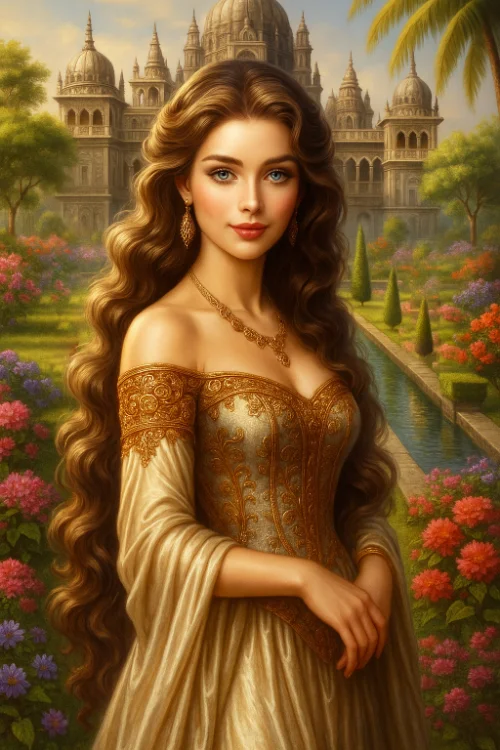
Liṅga Mahāpurāṇa - Uttarabhāga
Chapter 5 - The story of Śrīmatī
ऋषय ऊचुः
ऐक्ष्वाकुरंबरीषो वै वासुदेवपरायणः ।
पालयामास पृथिवीं विष्णोराज्ञापुरः सरः॥१॥
ṛṣaya ūcuḥ
aikṣvākuraṃbarīṣo vai vāsudevaparāyaṇaḥ |
pālayāmāsa pṛthivīṃ viṣṇorājñāpuraḥ saraḥ||1||
The sages said: Ikshvaku’s descendant, Ambarisha, was indeed devoted to Lord Vasudeva. He ruled over the earth, always following the command of Lord Vishnu.
श्रुतमेतन्महाबुद्धे तत्सर्वं वक्तुमर्हसि ।
नित्यं तस्य हरेश्चक्रं शत्रुरोगभयादिकम् ॥ २ ॥
हंतीति श्रूयते लोके धार्मिकस्य महात्मनः ।
अंबरीषस्य चरितं तत्सर्वं ब्रूहि सत्तम ॥ ३ ॥
माहात्म्यमनुभावं च भक्तियोगमनुत्तमम् ।
यथावच्छ्रोतुमिच्छामः सूत वक्तुं त्वमर्हसि ॥४॥
śrutametanmahābuddhe tatsarvaṃ vaktumarhasi |
nityaṃ tasya hareścakraṃ śatrurogabhayādikam || 2 ||
haṃtīti śrūyate loke dhārmikasya mahātmanaḥ |
aṃbarīṣasya caritaṃ tatsarvaṃ brūhi sattama || 3 ||
māhātmyamanubhāvaṃ ca bhaktiyogamanuttamam |
yathāvacchrotumicchāmaḥ sūta vaktuṃ tvamarhasi ||4||
The sages said: O highly intelligent one, we have heard about this, but you are worthy of narrating it all in detail. It is said that the divine discus of Lord Hari always protects Ambarisha, destroying enemies, diseases, fears, and other dangers. In this world, it is heard that this divine weapon protects the righteous and great-souled Ambarisha. O noble one, please narrate his entire glorious story. We desire to hear about his greatness, divine influence, and supreme devotion to the Lord. O Suta, you are worthy of telling us everything as it truly is.
सूत उवाच
श्रूयतां मुनिशार्दूलाश्चरितं तस्य धीमतः ।
अंबरीषस्य माहात्म्यं सर्वपापहरं परम् ॥ ५॥
त्रिशङ्कोर्दयिता भार्या सर्वलक्षणशोभिता ।
अबंरीषस्य जननी नित्यं शौचसमन्विता ॥६॥
sūta uvāca
śrūyatāṃ muniśārdūlāścaritaṃ tasya dhīmataḥ |
aṃbarīṣasya māhātmyaṃ sarvapāpaharaṃ param || 5||
triśaṅkordayitā bhāryā sarvalakṣaṇaśobhitā |
abaṃrīṣasya jananī nityaṃ śaucasamanvitā ||6||
Sūta said: O foremost among sages, listen attentively to the glorious story of the wise King Ambarīṣa, whose divine greatness removes all sins and is supremely sacred. The wife of Trishanku, adorned with all auspicious qualities, was the mother of Ambarīṣa, always devoted to purity.
योगनिद्रासमारूढं शेषपर्यंकशायिनम् ।
नारायणं महात्मानं ब्रह्माण्डकमलोद्भवम् ॥७॥
तमसा कालरुद्राख्यं रजसा कनकाण्डजम् ।
सत्त्वेन सर्वगं विष्णुं सर्वदेवनमस्कृतम् ॥८॥
अर्चयामास सततं वाङ्मन: कायकर्मभिः ।
माल्यदानादिकं सर्वं स्वयमेवमचीकरत् ॥९॥
गंधादिपेषणं चैव धूपद्रव्यादिकं तथा ।
भूमेरालेपनादीनि हविषां पचनं तथा ॥ १० ॥
तत्कौतुकसमाविष्टा स्वयमेव चकार सा ।
शुभा पद्मावती नित्यं वाचा नारायणेति वै ॥ ११॥
अनंतेत्येव सा नित्यं भाषमाणा पतिव्रता ।
दशवर्षसहस्राणि तत्परेणांतरात्मना ॥१२॥
अर्चयामास गोविंदं गंधपुष्पादिभिः शुचिः ।
yoganidrāsamārūḍhaṃ śeṣaparyaṃkaśāyinam |
nārāyaṇaṃ mahātmānaṃ brahmāṇḍakamalodbhavam ||7||
tamasā kālarudrākhyaṃ rajasā kanakāṇḍajam |
sattvena sarvagaṃ viṣṇuṃ sarvadevanamaskṛtam ||8||
arcayāmāsa satataṃ vāṅmana: kāyakarmabhiḥ |
mālyadānādikaṃ sarvaṃ svayamevamacīkarat ||9||
gaṃdhādipeṣaṇaṃ caiva dhūpadravyādikaṃ tathā |
bhūmerālepanādīni haviṣāṃ pacanaṃ tathā || 10 ||
tatkautukasamāviṣṭā svayameva cakāra sā |
śubhā padmāvatī nityaṃ vācā nārāyaṇeti vai || 11||
anaṃtetyeva sā nityaṃ bhāṣamāṇā pativratā |
daśavarṣasahasrāṇi tatpareṇāṃtarātmanā ||12||
arcayāmāsa goviṃdaṃ gaṃdhapuṣpādibhiḥ śuciḥ |
Padmāvatī, devoted and pure, worshiped Lord Nārāyaṇa, who reclines on the serpent-bed of Śeṣa, absorbed in deep Yogic sleep, the Supreme Soul from whose navel sprouted the cosmic lotus of creation.
She meditated upon Viṣṇu, the all-pervading Lord, who assumes forms based on the three guṇas: as Kālarudra in tamas (darkness), as Brahmā, born from a golden egg, in rajas (passion), and as Viṣṇu Himself in sattva (purity), revered by all the gods.
With unwavering faith, she worshiped Him day and night through her speech, mind, and bodily actions, personally offering garlands, gifts, and all sacred offerings.
She prepared fragrant substances, incense, and other sacred items, she cleansed and decorated the temple grounds, and cooked the sacrificial offerings with her own hands, performing every ritual with devotion.
Completely absorbed in divine love, she joyfully engaged in all these acts, and constantly chanted the holy name of Nārāyaṇa.
Calling upon "Ananta!" without ceasing, she remained steadfast in her vows, for ten thousand years, with her mind solely devoted to worshiping Govinda with sandalwood, flowers, and sacred offerings.
विष्णुभक्तान्महाभागान् सर्वपापविवर्जितान् ॥१३॥
दानमानार्चनैर्नित्यं धनरत्नैवतोषयत् ।
ततः कदाचित्सा देवी द्वादशीं समुपोष्य वै ॥ १४ ॥
हरेर महाभागा सुष्वाप पतिना सह ।
तत्र नारायणो देवस्तामाह पुरुषोत्तमः ॥१५॥
viṣṇubhaktānmahābhāgān sarvapāpavivarjitān ||13||
dānamānārcanairnityaṃ dhanaratnaivatoṣayat |
tataḥ kadācitsā devī dvādaśīṃ samupoṣya vai || 14 ||
harera mahābhāgā suṣvāpa patinā saha |
tatra nārāyaṇo devastāmāha puruṣottamaḥ ||15||
Padmāvatī, the devoted and noble lady, always pleased the great devotees of Viṣṇu, Who were free from all sins, by offering them gifts, honor, and worship, as well as by donating wealth and precious jewels.
Then, on one occasion, that divine lady observed Dvādaśī fasting with great devotion, fasting completely in honor of Lord Hari.
After completing the fast, she lay down to sleep peacefully, alongside her husband, With a heart full of devotion.
At that very moment, the Supreme Lord Nārāyaṇa Himself, the Divine Purushottama, appeared and spoke to her.
किमिच्छसि वरं भद्रे मत्तस्त्वं ब्रूहि भामिनि ।
सा दृष्ट्वा तु वरं वव्रे पुत्रो मे वैष्णवो भवेत् ॥ १६ ॥
सार्वभौमो महातेजाः स्वकर्मनिरतः शुचिः ।
तथेत्युक्ता ददौ तस्यै फलमेकं जनार्दनः॥१७॥
kimicchasi varaṃ bhadre mattastvaṃ brūhi bhāmini |
sā dṛṣṭvā tu varaṃ vavre putro me vaiṣṇavo bhavet || 16 ||
sārvabhaumo mahātejāḥ svakarmanirataḥ śuciḥ |
tathetyuktā dadau tasyai phalamekaṃ janārdanaḥ||17||
The Supreme Lord Nārāyaṇa spoke: "O auspicious lady, O noble one, what boon do you desire from Me? Ask freely, and I shall grant it to you."
Upon seeing the Lord before her, Padmāvatī humbly requested: "May I be blessed with a son who is a devoted Vaiṣṇava, a sovereign ruler of the entire earth, radiant with great splendor, dedicated to righteousness, and always pure."
Hearing her sincere wish, Lord Janārdana (Viṣṇu) granted her boon, saying, "So be it." Then, as a sign of His divine blessing, he gave her a sacred fruit as the fulfillment of her wish.
सा प्रबुद्धा फलं दृष्ट्वा भर्त्रे सर्वं न्यवेदयत् ।
भक्षयामास संहृष्टा फलं तद्गमानसा ॥ १८ ॥
sā prabuddhā phalaṃ dṛṣṭvā bhartre sarvaṃ nyavedayat |
bhakṣayāmāsa saṃhṛṣṭā phalaṃ tadgamānasā || 18 ||
Upon awakening from her divine vision, Padmāvatī saw the sacred fruit before her, and with great reverence, she narrated everything to her husband.
Filled with joy and devotion, her mind still absorbed in the divine presence of the Lord, she ate the blessed fruit, eagerly accepting the boon granted by Viṣṇu.
ततः कालेन सा देवी पुत्रं कुलविवर्धनम् ।
असूत सा सदाचारं वासुदेवपरायणम् ॥१९॥
शुभलक्षणसंपन्नं चक्रांकिततनूरुहम् ।
जातं दृष्ट्वा पिता पुत्रं क्रियाः सर्वाश्चकार वै ॥ २० ॥
tataḥ kālena sā devī putraṃ kulavivardhanam |
asūta sā sadācāraṃ vāsudevaparāyaṇam ||19||
śubhalakṣaṇasaṃpannaṃ cakrāṃkitatanūruham |
jātaṃ dṛṣṭvā pitā putraṃ kriyāḥ sarvāścakāra vai || 20 ||
In due course of time, that divine lady, Padmāvatī, gave birth to a son, who would bring great honor to their lineage.
He was devoted to righteousness, a true follower of Vāsudeva (Lord Viṣṇu), endowed with auspicious signs, and bore the sacred chakra (divine discus) mark upon his body from birth.
Upon seeing his newborn son, his father was filled with immense joy, and he immediately performed all the required sacred rites and ceremonies.
अंबरीष इति ख्यातो लोके समभवत्प्रभुः ।
पितर्युपरते श्रीमानभिषिक्तो महामुनिः ॥ २१ ॥
मंत्रिष्वाधाय राज्यं च तप उग्रं चकार सः ।
संवत्सरसहस्रं वै जपन्नारायणं प्रभुम् ॥ २२ ॥
aṃbarīṣa iti khyāto loke samabhavatprabhuḥ |
pitaryuparate śrīmānabhiṣikto mahāmuniḥ || 21 ||
maṃtriṣvādhāya rājyaṃ ca tapa ugraṃ cakāra saḥ |
saṃvatsarasahasraṃ vai japannārāyaṇaṃ prabhum || 22 ||
The child became renowned in the world by the name Ambarīṣa, and he grew into a mighty ruler, resplendent with divine qualities.
After his father departed from this world, the illustrious and noble Ambarīṣa was crowned as the sovereign ruler.
Entrusting the affairs of the kingdom to his wise ministers, he devoted himself to intense austerities, engaging in severe penance.
For one thousand years, with unwavering focus, he continuously meditated upon and chanted the holy name of Lord Nārāyaṇa, the Supreme Lord.
हृत्पुण्डरीकमध्यस्थं सूर्यमण्डलमध्यतः ।
शङ्खचक्रगदापद्मधारयंतं चतुर्भुजम् ॥ २३ ॥
शुद्धजांबूनदनिभं ब्रह्मविष्णुशिवात्मकम्।
सर्वाभरणसंयुक्तं पीतांबरधरं प्रभुम् ॥ २४ ॥
श्रीवत्सवक्षसं देवं पुरुषं पुरुषोत्तमम् ।
ततो गरुडमारुह्य सर्वदेवैरभिष्टुतः ॥ २५ ॥
आजगाम स विश्वात्मा सर्वलोकनमस्कृतः ।
ऐरावतमिवाचिंत्यं कृत्वा वै गरुडं हरिः ॥ २६ ॥
स्वयं शक्र इवासीनस्तमाह नृपसत्तमम् ।
इंद्रोऽहमस्मि भद्रं ते किं ददामि वरं च ते ॥ २७ ॥
सर्वलोकेश्वरोऽहं त्वां रक्षितुं समुपागतः ।
hṛtpuṇḍarīkamadhyasthaṃ sūryamaṇḍalamadhyataḥ |
śaṅkhacakragadāpadmadhārayaṃtaṃ caturbhujam || 23 ||
śuddhajāṃbūnadanibhaṃ brahmaviṣṇuśivātmakam|
sarvābharaṇasaṃyuktaṃ pītāṃbaradharaṃ prabhum || 24 ||
śrīvatsavakṣasaṃ devaṃ puruṣaṃ puruṣottamam |
tato garuḍamāruhya sarvadevairabhiṣṭutaḥ || 25 ||
ājagāma sa viśvātmā sarvalokanamaskṛtaḥ |
airāvatamivāciṃtyaṃ kṛtvā vai garuḍaṃ hariḥ || 26 ||
svayaṃ śakra ivāsīnastamāha nṛpasattamam |
iṃdro’hamasmi bhadraṃ te kiṃ dadāmi varaṃ ca te || 27 ||
sarvalokeśvaro’haṃ tvāṃ rakṣituṃ samupāgataḥ |
Within the lotus of his heart, at the center of the solar orb, Ambarīṣa beheld the divine form of Lord Viṣṇu, bearing a conch, discus, mace, and lotus, and shining brilliantly with four arms.
His form resembled pure gold (śuddha-jāmbūnada), manifesting as Brahmā, Viṣṇu, and Śiva combined, adorned with all celestial ornaments, clad in a radiant yellow garment (pītāmbaram).
The Lord bore the sacred Śrīvatsa mark on His chest, the Supreme Puruṣa (Cosmic Being), the greatest of all beings (Puruṣottama). Then, assuming a different form, He disguised Himself as Indra and Garuda appeared as Airāvata.
The Universal Lord (Viśvātmā), worshiped by all worlds, descended from the heavens, taking the form of Indra, and making Garuda resemble Airāvata, a vision grand and unfathomable.
Seated majestically, like Indra upon Airāvata, Lord Hari, in disguise, approached King Ambarīṣa and said: "O blessed one! I am Indra himself! What boon do you desire? I have come to grant you a wish. I am the Lord of all worlds, And I have arrived to protect you.”
अंबरीष उवाच
नाहं त्वामभिसंधाय तपु आस्थितवाहिन ॥ २८॥
त्वया दत्तं च नेष्यामि गच्छ शक्र यथासुखम् ।
मम नारायणो नाथस्तं नमामि जगत्पतिम् ॥ २९ ॥
गच्छेंद्र माकृथास्त्वत्र मम बुद्धिविलोपनम् ।
ततः प्रहस्य भगवान् स्वरूपमकरोद्धरिः ॥३०॥
aṃbarīṣa uvāca
nāhaṃ tvāmabhisaṃdhāya tapu āsthitavāhina || 28||
tvayā dattaṃ ca neṣyāmi gaccha śakra yathāsukham |
mama nārāyaṇo nāthastaṃ namāmi jagatpatim || 29 ||
gaccheṃdra mākṛthāstvatra mama buddhivilopanam |
tataḥ prahasya bhagavān svarūpamakaroddhariḥ ||30||
Ambarīṣa said: "I did not undertake this severe penance with the intention of seeking boons from you, O Indra. I shall not accept what you offer me. Go, O Śakra (Indra), may you leave in peace as you please.
My true Lord and protector is Nārāyaṇa, to Him, the Master of the Universe, I offer my obeisance and devotion.
Go, Indra, and do not attempt to mislead my mind from its firm resolve."
Then, hearing these unwavering words, Lord Viṣṇu, smiling with joy, revealed His true, divine form, abandoning His disguise as Indra.
शार्ङ्गचक्रगदापाणि खड्गहस्तो जनार्दनः ।
गरुडोपरि सर्वात्मा नीलाचल इवापरः ॥ ३१॥
देवगंधर्वसंघैश्च स्तूयमानः समंततः ।
प्रणम्य स च संतुष्टस्तुष्टाव गरुडध्वजम् ॥३२॥
śārṅgacakragadāpāṇi khaḍgahasto janārdanaḥ |
garuḍopari sarvātmā nīlācala ivāparaḥ || 31||
devagaṃdharvasaṃghaiśca stūyamānaḥ samaṃtataḥ |
praṇamya sa ca saṃtuṣṭastuṣṭāva garuḍadhvajam ||32||
Then, Lord Janārdana (Viṣṇu) revealed His true divine form, holding Śārṅga bow, Sudarśana chakra, Kaumodakī mace, and a sword in His mighty hands. He shone brilliantly, seated upon Garuda, resembling a second Nīlācala mountain (a towering, immovable divine presence).
Surrounded by hosts of gods and celestial Gandharvas, who sang His praises from all directions, Ambarīṣa, overcome with devotion, prostrated before Viṣṇu with deep reverence. Pleased by the Lord’s presence, he offered heartfelt hymns of praise To Garuda-bannered Viṣṇu (Garuda-dhvaja).
प्रसीद लोकनाथेश मम नाथ जनार्दन |
कृष्ण विष्णो जगन्नाथ सर्वलोकनमस्कृत ॥ ३३॥
त्वमादिस्त्वमनादिस्त्वमनंतः पुरुषः प्रभुः ।
अप्रमेयो विभुर्विष्णुर्गोविंदः कमलेक्षणः॥३४॥
महेश्वराङ्गज मध्ये पुष्करः खगमः खगः ।
कव्यवाहः कपाली त्वं हव्यवाहः प्रभञ्जन ॥३५॥
आदिदेवः क्रियानंदः परमात्मात्मनि स्थितः ।
त्वां प्रपन्नोस्मि गोविंद जय देवकिनंदन |
जय देव जगन्नाथ पाहि मां पुष्करेक्षण ॥ ३६॥
नान्या गतिस्त्वदन्या मे त्वमेव शरणं मम् ॥
prasīda lokanātheśa mama nātha janārdana |
kṛṣṇa viṣṇo jagannātha sarvalokanamaskṛta || 33||
tvamādistvamanādistvamanaṃtaḥ puruṣaḥ prabhuḥ |
aprameyo vibhurviṣṇurgoviṃdaḥ kamalekṣaṇaḥ||34||
maheśvarāṅgaja madhye puṣkaraḥ khagamaḥ khagaḥ |
kavyavāhaḥ kapālī tvaṃ havyavāhaḥ prabhañjana ||35||
ādidevaḥ kriyānaṃdaḥ paramātmātmani sthitaḥ |
tvāṃ prapannosmi goviṃda jaya devakinaṃdana |
jaya deva jagannātha pāhi māṃ puṣkarekṣaṇa || 36||
nānyā gatistvadanyā me tvameva śaraṇaṃ mam ||
Ambarīṣa said: "O Lord of all worlds (Lokanātha), O my Supreme Protector, Janārdana, O Kṛṣṇa, Viṣṇu, Jagannātha, worshiped by all beings in the universe, please be gracious to me!
You are the beginning and yet without beginning, You are eternal (Ananta), the Supreme Cosmic Being (Puruṣa), the All-powerful Lord (Prabhu). You are immeasurable (Aprameya), the all-pervading Master (Vibhu, Viṣṇu), the protector of cows (Govinda), the lotus-eyed one (Kamale-kṣaṇa).
You dwell in the very limbs of Mahādeva (Śiva), Yet You are also the cosmic lotus (Puṣkara). You are the one who flies through the sky (Khaga), The one who moves through the celestial paths. You are the carrier of offerings (Kavyavāha, Agni), The bearer of the skull (Kapālī, Rudra’s form), The fire of the sacrificial altar (Havyavāha, Agni), and the mighty wind that sweeps all (Prabhañjana, Vāyu).
You are the Primordial Deity (Ādideva), the source of all divine actions (Kriyānanda), The Supreme Soul (Paramātmā), who is always established in Himself. I surrender completely at Your feet, O Govinda! Victory to You, O Devakī-nandana (Son of Devakī)! Victory to You, O Jagannātha (Lord of the Universe)! O Lotus-eyed One (Puṣkarekṣaṇa), please protect me!
I have no other refuge but You. You alone are my only shelter!"
सूत उवाच
तमाह भगवान्विष्णुः किं ते हृदि चिकीर्षितम् ॥३७॥
तत्सर्वं ते प्रदास्यामि भक्तोसि मम सुव्रत ।
भक्तिप्रियोऽहं सततं तस्माद्दातुमिहागतः ॥ ३८ ॥
sūta uvāca
tamāha bhagavānviṣṇuḥ kiṃ te hṛdi cikīrṣitam ||37||
tatsarvaṃ te pradāsyāmi bhaktosi mama suvrata |
bhaktipriyo’haṃ satataṃ tasmāddātumihāgataḥ || 38 ||
Sūta said: Then, Lord Viṣṇu, the Supreme Lord, spoke to King Ambarīṣa: "What is it that your heart desires? Tell Me, O noble one!
I shall grant you everything you wish, for you are My devoted servant, steadfast in virtue. I am eternally pleased by My devotees, and thus, I have come here personally to bestow My blessings upon you."
अंबरीष उवाच
लोकनाथ परानंद नित्यं मे वर्तते मतिः ।
वासुदेवपरो नित्यं वाङ्गनःकायकर्मभिः॥३९॥
यथा त्वं देवदेवस्य भवस्य परमात्मनः ।
यथा भवाम्यहं विष्णो तव देव जनार्दन ॥ ४०॥
पालयिष्यामि पृथिवीं कृत्वा वै वैष्णवं जगत् ।
यज्ञहोमार्चनैश्चैव तर्पयामि सुरोत्तमान् ॥४१॥
वैष्णवान्पालयिष्यामि निहनिष्यामि शात्रवान् ।
लोकतापभये भीत इति मे धीयते मतिः ॥ ४२ ॥
aṃbarīṣa uvāca
lokanātha parānaṃda nityaṃ me vartate matiḥ |
vāsudevaparo nityaṃ vāṅganaḥkāyakarmabhiḥ||39||
yathā tvaṃ devadevasya bhavasya paramātmanaḥ |
yathā bhavāmyahaṃ viṣṇo tava deva janārdana || 40||
pālayiṣyāmi pṛthivīṃ kṛtvā vai vaiṣṇavaṃ jagat |
yajñahomārcanaiścaiva tarpayāmi surottamān ||41||
vaiṣṇavānpālayiṣyāmi nihaniṣyāmi śātravān |
lokatāpabhaye bhīta iti me dhīyate matiḥ || 42 ||
Ambarīṣa said: "O Lord of all worlds (Lokanātha), O Supreme Bliss (Parānanda), my mind is eternally fixed upon You. May I always remain devoted to Vāsudeva, through my speech, mind, and bodily actions.
O Viṣṇu, just as You are eternally devoted to the Supreme Soul (Paramātmā), may I too remain forever fully dedicated to You, O Janārdana.
I shall rule this earth in a way that establishes Vaiṣṇava principles throughout the world. By performing sacrifices (yajñas), sacred oblations (homas), and worship (arcana), I shall satisfy the foremost of the gods.
I shall protect the Vaiṣṇavas and shall eliminate the wicked (śātravān). May I be free from the fear of worldly suffering, and may my mind always remain firm in this noble resolve.”
श्रीभगवानुवाच
एवमस्तु यथेच्छं वै चक्रमेतत्सुदर्शनम् ।
पुरा रुद्रप्रसादेन लब्धं वै दुर्लभं मया ॥ ४३ ॥
ऋषिशापादिकं दुःखं शत्रुरोगादिकं तथा ।
निहनिष्यति ते नित्यमित्युक्त्वांतरधीयत॥४४॥
śrībhagavānuvāca
evamastu yathecchaṃ vai cakrametatsudarśanam |
purā rudraprasādena labdhaṃ vai durlabhaṃ mayā || 43 ||
ṛṣiśāpādikaṃ duḥkhaṃ śatrurogādikaṃ tathā |
nihaniṣyati te nityamityuktvāṃtaradhīyata ||44||
Lord Viṣṇu said: "So be it! May your desires be fulfilled exactly as you have wished. And here, I grant you this divine Sudarśana Chakra—a weapon most rare, which even I once obtained by the grace of Rudra (Śiva) in ancient times. This Sudarśana Chakra shall forever protect you, destroying all suffering caused by curses of sages, as well as enemies, diseases, and other afflictions.”
Having spoken thus, The Supreme Lord vanished from sight.
सूत उवाच
ततः प्रणम्य मुदितो राजा नारायणं प्रभुम् ।
प्रविश्य नगरीं रम्यामयोध्यां पर्यपालयत्॥ ४५॥
ब्राह्मणादींश्च वर्णांश्च स्वस्वकर्मण्ययोजत् ।
\नारायणपरो नित्यं विष्णुभक्तानकल्मषान् ॥४६॥
पालयामास हृष्टात्मा विशेषेण जनाधिपः ।
अश्वमेधशतैरिष्ट्वा वाजपेयशतेन च ॥४७॥
पालयामास पृथिवीं सागरावरणामिमाम् ।
गृहे हरस्तस्थौ वेदघोषो गृहेगृहे ॥ ४८ ॥
नामघोषो हरेश्चैव यज्ञघोषस्तथैव च ।
अभवन्नृपशार्दूले तस्मिन् राज्यं प्रशासति ॥ ४९ ॥
नासस्या नातृणा भूमिर्न दुर्भिक्षादिभिर्युता।
रागहीनाः प्रजा नित्यं सर्वोपद्रववर्जिताः ॥५०॥
sūta uvāca
tataḥ praṇamya mudito rājā nārāyaṇaṃ prabhum |
praviśya nagarīṃ ramyāmayodhyāṃ paryapālayat|| 45||
brāhmaṇādīṃśca varṇāṃśca svasvakarmaṇyayojat |
\nārāyaṇaparo nityaṃ viṣṇubhaktānakalmaṣān ||46||
pālayāmāsa hṛṣṭātmā viśeṣeṇa janādhipaḥ |
aśvamedhaśatairiṣṭvā vājapeyaśatena ca ||47||
pālayāmāsa pṛthivīṃ sāgarāvaraṇāmimām |
gṛhe harastasthau vedaghoṣo gṛhegṛhe || 48 ||
nāmaghoṣo hareścaiva yajñaghoṣastathaiva ca |
abhavannṛpaśārdūle tasmin rājyaṃ praśāsati || 49 ||
nāsasyā nātṛṇā bhūmirna durbhikṣādibhiryutā|
rāgahīnāḥ prajā nityaṃ sarvopadravavarjitāḥ ||50||
Sūta said: Then, filled with immense joy, King Ambarīṣa bowed down in reverence to Lord Nārāyaṇa, the Supreme Lord, and returned to his beautiful capital, Ayodhyā, where he ruled with righteousness.
He ensured that Brahmins and all other varṇas remained engaged in their respective duties, guiding them according to dharma. With unwavering devotion to Nārāyaṇa, he protected the sinless devotees of Viṣṇu with a joyful and pure heart.
Being a righteous and dharmic king (Janādhipaḥ), he ruled his people with great enthusiasm and care, performing a hundred Aśvamedha sacrifices and a hundred Vājapeya sacrifices to glorify Lord Hari.
He ruled over the entire earth, surrounded by the vast oceans, ensuring peace and prosperity. In every household, there was the presence of Hari (Lord Viṣṇu), and the resonance of Vedic chants filled every home.
Throughout his kingdom, the chanting of Hari’s holy names (nāma-ghoṣa), the sounds of sacrificial rituals (yajña-ghoṣa), and praises of Lord Viṣṇu could be heard everywhere, O best of kings!
There was no barren land, no suffering of famine or drought, and the people remained free from attachment and greed, always living in peace and harmony, untouched by any kind of calamity or distress.
अंबरीषो महातेजाः पालयामास मेदिनीम् ।
तस्यैवं वर्तमानस्य कन्या कमललोचना ॥५१॥
श्रीमती नाम विख्याता सर्वलक्षणसंयुता ।
प्रदानसमयं प्राप्ता देवमायेव शोभना ॥ ५२ ॥
aṃbarīṣo mahātejāḥ pālayāmāsa medinīm |
tasyaivaṃ vartamānasya kanyā kamalalocanā ||51||
śrīmatī nāma vikhyātā sarvalakṣaṇasaṃyutā |
pradānasamayaṃ prāptā devamāyeva śobhanā || 52 ||
The mighty and radiant King Ambarīṣa ruled over the entire earth with great righteousness. While he governed in this way, a daughter was born to him, who had lotus-like eyes (kamala-locanā) and was a paragon of beauty and grace.
She was renowned by the name Śrīmatī, famed across the land for her divine qualities. She was endowed with all auspicious signs, and as she reached the age of marriage, she shone with radiance, appearing like a celestial goddess (Devamāyā) herself.
तस्मिन्काले मुनिः श्रीमान्नारदोऽभ्यगतश्च ।
अंबरीषस्य राज्ञो वै पर्वतश्च महामतिः ॥ ५३ ॥
tasminkāle muniḥ śrīmānnārado’bhyagataśca |
aṃbarīṣasya rājño vai parvataśca mahāmatiḥ || 53 ||
At that very time, the illustrious and radiant Sage Nārada arrived, along with the greatly wise Sage Parvata, at the court of King Ambarīṣa.
तावुभवागतौ दृष्ट्वा प्रणिपत्य यथाविधि ।
अंबरीषो महातेजाः पूजयामास तावृषी ॥ ५४ ॥
tāvubhavāgatau dṛṣṭvā praṇipatya yathāvidhi |
aṃbarīṣo mahātejāḥ pūjayāmāsa tāvṛṣī || 54 ||
Seeing the arrival of the two revered sages, King Ambarīṣa, radiant with great splendor, immediately bowed down before them with utmost reverence, following all the proper Vedic rites and traditions.
With deep devotion, he honored and worshiped the two illustrious Ṛṣis (Nārada and Parvata Muni) with due respect and hospitality.
कन्यां तां रममाणां वै मेघमध्ये शतह्रदाम् ।
प्राह तां प्रेक्ष्य भगवान्नारदः सस्मितस्तदा ॥ ५५ ॥
केयं राजन्महाभागा कन्या सुरसुतोपमा ।
ब्रूहि धर्मभृतां श्रेष्ठ सर्वलक्षणशोभिता॥५६॥
kanyāṃ tāṃ ramamāṇāṃ vai meghamadhye śatahradām |
prāha tāṃ prekṣya bhagavānnāradaḥ sasmitastadā || 55 ||
keyaṃ rājanmahābhāgā kanyā surasutopamā |
brūhi dharmabhṛtāṃ śreṣṭha sarvalakṣaṇaśobhitā||56||
There, in the midst of a hundred lotus-filled lakes, like a radiant lightning flash among the clouds, the princess Śrīmatī wandered gracefully, her beauty enchanting all who beheld her.
At that very moment, Bhagavān Nārada, beholding her, smiled gently and spoke these words:
"O King, who is this radiant maiden, so supremely fortunate and divinely beautiful? She shines with all auspicious qualities, resembling a celestial goddess (Surasutopamā).
O foremost among righteous rulers, tell me about her!”
राजोवाच
दुहितेयं मम विभो श्रीमती नाम नामतः ।
प्रदानसमयं प्राप्ता वरमन्वेषते शुभा ॥ ५७ ॥
इत्युक्तो मुनिशार्दूलस्तामैच्छन्नारदो द्विजाः ।
पर्वतोपि मुनिस्तां वै चकमे मुनिसत्तमाः ॥ ५८ ॥
rājovāca
duhiteyaṃ mama vibho śrīmatī nāma nāmataḥ |
pradānasamayaṃ prāptā varamanveṣate śubhā || 57 ||
ityukto muniśārdūlastāmaicchannārado dvijāḥ |
parvatopi munistāṃ vai cakame munisattamāḥ || 58 ||
King Ambarīṣa said: "O Revered Sage, this maiden is my daughter, and by name, she is called Śrīmatī. She has now reached the age of marriage, and we are searching for a worthy groom for this auspicious and virtuous princess."
Hearing these words, the illustrious Sage Nārada, who was foremost among ascetics, developed a desire to marry her. Similarly, the great Sage Parvata also became enchanted by her beauty and wished to take her as his bride.
अनुज्ञाप्य च राजानं नारदो वाक्यमब्रवीत् ।
रहस्याहूय धर्मात्मा मा देहि सुतामिमाम् ॥५९॥
पर्वतो हि तथा प्राह राजानं रहसि प्रभुः ।
तावुभौ सह धर्मात्मा प्रणिपत्य भयार्दितः ॥६०॥
उभौ भवंतौ कन्यां मे प्रार्थमानौ कथं त्वहम् ।
करिष्यामि महाप्राज्ञ शृणु नारद मे वचः ॥ ६१ ॥
त्वं च पर्वत मे वाक्यं शृणु वक्ष्यामि यत्प्रभो ।
कन्येयं युवयोरेकं वरयिष्यति चेच्छुभा॥६२॥
तस्मै कन्यां प्रयच्छामि नान्यथा शक्तिरस्ति मे ।
तथेत्युक्त्वा ततो भूयः वो यास्याव इति स्म ह ॥ ६३ ॥
इत्युक्त्वा मुनिशार्दूलौ जग्मतुः प्रीतिमानसौ ।
वासुदेवपरौ नित्यमुभौ ज्ञानविदांवरौ ॥६४॥
anujñāpya ca rājānaṃ nārado vākyamabravīt |
rahasyāhūya dharmātmā mā dehi sutāmimām ||59||
parvato hi tathā prāha rājānaṃ rahasi prabhuḥ |
tāvubhau saha dharmātmā praṇipatya bhayārditaḥ ||60||
ubhau bhavaṃtau kanyāṃ me prārthamānau kathaṃ tvaham |
kariṣyāmi mahāprājña śṛṇu nārada me vacaḥ || 61 ||
tvaṃ ca parvata me vākyaṃ śṛṇu vakṣyāmi yatprabho |
kanyeyaṃ yuvayorekaṃ varayiṣyati cecchubhā||62||
tasmai kanyāṃ prayacchāmi nānyathā śaktirasti me |
tathetyuktvā tato bhūyaḥ vo yāsyāva iti sma ha || 63 ||
ityuktvā muniśārdūlau jagmatuḥ prītimānasau |
vāsudevaparau nityamubhau jñānavidāṃvarau ||64||
After obtaining permission from King Ambarīṣa, sage Nārada approached him privately and, calling him aside in secret, spoke these words with great sincerity:
"O noble king, please do not give your daughter’s hand to anyone else—grant her to me instead."
Similarly, Sage Parvata also approached the king in private and made the same request for Śrīmatī’s hand in marriage.
Hearing these words from both sages, King Ambarīṣa, who was devoted to dharma, bowed before them humbly, overwhelmed by fear and concern.
He said: "O illustrious sages, both of you have come seeking the hand of my daughter. How am I to decide between you? Tell me, O wise ones, what should I do?"
Then, turning to them both, the king addressed Nārada first: "O Nārada, listen to my words, and you too, O Sage Parvata, hear what I must say.
This auspicious maiden shall choose one of you according to her own will. Whomever she selects as her husband, to him alone shall I give her hand. I have no power to decide otherwise."
Hearing the king’s fair and dharmic decision, the two great sages accepted it. They said, "So be it," and then departed, with hearts filled with joy and satisfaction.
Though they had momentarily desired marriage, both were foremost among those endowed with knowledge, and their minds always remained fixed upon Lord Vāsudeva.
विष्णुलोकं ततो गत्वा नारदो मुनिसत्तमः ।
प्रणिपत्य हृषीकेशं वाक्यमेतदुवाच ह ॥६५॥
viṣṇulokaṃ tato gatvā nārado munisattamaḥ |
praṇipatya hṛṣīkeśaṃ vākyametaduvāca ha ||65||
Then, Sage Nārada, foremost among ascetics, departed to Viṣṇuloka, the divine abode of Lord Viṣṇu. There, he bowed down in deep reverence before Hṛṣīkeśa (Viṣṇu, the Lord of the senses) and spoke these words to Him.
श्रोतव्यमस्ति भगवन्नाथ नारायण प्रभो ।
रहसि त्वां प्रवक्ष्यामि नमस्ते भुवेनश्वर ॥ ६६ ॥
ततः प्रहस्य गोविंदः सर्वानुत्सार्य तं मुनिम् ।
ब्रूहीत्याह च विश्वात्मा मुनिराह च केशवम् ॥ ६७॥
त्वदीयो नृपतिः श्रीमानंबरीषो महीपतिः ।
तस्य कन्या विशालाक्षी श्रीमती नाम नामतः ॥ ६८ ॥
परिणेतुमनास्तत्र गतोऽस्मि वचनं शृणु ।
पर्वतोऽयं मुनिः श्रीमांस्तवभृत्य स्तमोनिधिः ॥ ६९॥
तामैच्छत्सोपि भगवन्नावामाह जनाधिपः ।
अंबरीषो महातेजाः कन्येयं युवयोर्वरम् ॥७०॥
लावण्ययुक्तं वृणुयाद्यदि तस्मै ददाम्यहम् ।
इत्याहावां नृपस्तत्र तथेत्युक्ताहमागतः॥७१॥
आगमिष्यामि ते राजन् श्वः प्रभाते गृहं त्विति ।
आगतोहं जगन्नाथ कर्तुमर्हसि मे प्रियम् ॥ ७२॥
वानराननवद्भाति पर्वतस्य मुखं यथा ।
तथ कुरु जगन्नाथ मम चेदिच्छसि प्रियम् ॥ ७३ ॥
तथेत्युक्त्वा स गोविंदः प्रहस्य मधुसूदनः ।
त्वयोक्तं च करिष्यामि गच्छ सौम्य यथागतम् ॥७४ ॥
एवमुक्त्वा मुनिर्दृष्टः प्रणिपत्य जनार्दनम् ।
मन्यमानः कृतात्मानं तथाऽयोध्यां जगाम सः ॥ ७५
śrotavyamasti bhagavannātha nārāyaṇa prabho |
rahasi tvāṃ pravakṣyāmi namaste bhuvenaśvara || 66 ||
tataḥ prahasya goviṃdaḥ sarvānutsārya taṃ munim |
brūhītyāha ca viśvātmā munirāha ca keśavam || 67||
tvadīyo nṛpatiḥ śrīmānaṃbarīṣo mahīpatiḥ |
tasya kanyā viśālākṣī śrīmatī nāma nāmataḥ || 68 ||
pariṇetumanāstatra gato’smi vacanaṃ śṛṇu |
parvato’yaṃ muniḥ śrīmāṃstavabhṛtya stamonidhiḥ || 69||
tāmaicchatsopi bhagavannāvāmāha janādhipaḥ |
aṃbarīṣo mahātejāḥ kanyeyaṃ yuvayorvaram ||70||
lāvaṇyayuktaṃ vṛṇuyādyadi tasmai dadāmyaham |
ityāhāvāṃ nṛpastatra tathetyuktāhamāgataḥ||71||
āgamiṣyāmi te rājan śvaḥ prabhāte gṛhaṃ tviti |
āgatohaṃ jagannātha kartumarhasi me priyam || 72||
vānarānanavadbhāti parvatasya mukhaṃ yathā |
tatha kuru jagannātha mama cedicchasi priyam || 73 ||
tathetyuktvā sa goviṃdaḥ prahasya madhusūdanaḥ |
tvayoktaṃ ca kariṣyāmi gaccha saumya yathāgatam ||74 ||
evamuktvā munirdṛṣṭaḥ praṇipatya janārdanam |
manyamānaḥ kṛtātmānaṃ tathā’yodhyāṃ jagāma saḥ || 75
Nārada Muni said: "O Bhagavān, O Supreme Lord Nārāyaṇa, O Master of the Universe, there is something important that I must tell You. I wish to speak with You in private, O Lord, my humble obeisance to You!"
Hearing this, Govinda (Viṣṇu) smiled, and after sending away all others, he turned to the sage and said: "Speak, O Nārada!"
Thus, the Universal Lord (Viśvātmā) gave His permission, and the sage then addressed Keśava (Viṣṇu).
Nārada said: "O Govinda, the noble king Ambarīṣa, Your devoted servant, has a daughter named Śrīmatī, a princess of great beauty, with wide and enchanting eyes."
"I went there intending to marry her, but hear me, O Lord! This sage Parvata, a brilliant muni, who is also Your devotee, is filled with tremendous spiritual energy and also desired to marry her.
"Thus, the great King Ambarīṣa told both of us: 'This auspicious maiden shall choose her own husband. If she selects one of you, to him alone shall I give her hand.'
Upon hearing this, We both agreed to his decision, and thus, I have come before You, O Jagannātha. Tomorrow morning, I must return to attend the swayamvara."
"O Lord of the Universe, I ask You to fulfill my request. Make Parvata Muni’s face resemble that of a monkey, so that Śrīmatī rejects him and chooses me instead."
Hearing this, Madhusūdana (Viṣṇu) laughed and said: "So be it! I shall do as you have asked. Now, gentle sage, return the way you came."
With this divine assurance, Nārada Muni bowed deeply before Janārdana, feeling fully satisfied that his wish would now be fulfilled.
Thinking that his success was guaranteed, he then departed joyfully toward Ayodhyā, confident in his fate.
गते मुनिवरे तस्मिन्पर्वतोऽपि महामुनिः ।
प्रमम्य माधवं हृष्टो रहस्येनमुवाच ह ॥७६॥
gate munivare tasminparvato’pi mahāmuniḥ |
pramamya mādhavaṃ hṛṣṭo rahasyenamuvāca ha ||76||
After the great sage Nārada had departed, the illustrious Sage Parvata, also a mighty ascetic, approached Lord Mādhava (Viṣṇu). Filled with joy and devotion, he bowed down before the Lord and then, in private (rahasya), he spoke these words to Him.
वृत्तं तस्य निवेद्याग्रे नारदस्य जगत्पतेः ।
गोलाङ्गूलमुखं यद्वन्मुखं भाति तथा कुरु ॥७७॥
vṛttaṃ tasya nivedyāgre nāradasya jagatpateḥ |
golāṅgūlamukhaṃ yadvanmukhaṃ bhāti tathā kuru ||77||
After narrating everything what had happened before to the Lord of the Universe, Parvata Muni said: 'Make Nārada’s face appear like that of a monkey!'
तच्छ्रुत्वा भगवान्विष्णुस्त्वयोक्तं च करोमि वै ।
गच्छ शीघ्रमयोध्यां वै मावेदीर्नारदस्य वै ॥ ७८ ॥
त्वया मे संविदं तत्र तथेत्युक्त्वा जगाम सः ।
ततो राजा समाज्ञाय प्राप्तौ मुनिवरौ तदा ॥ ७९ ॥
माङ्गल्यैर्विविधैः सर्वामयोध्यां ध्वजमालिनीम् ।
मण्डयामास पुष्पैश्च लाजैश्चैव समंततः ॥८०॥
tacchrutvā bhagavānviṣṇustvayoktaṃ ca karomi vai |
gaccha śīghramayodhyāṃ vai māvedīrnāradasya vai || 78 ||
tvayā me saṃvidaṃ tatra tathetyuktvā jagāma saḥ |
tato rājā samājñāya prāptau munivarau tadā || 79 ||
māṅgalyairvividhaiḥ sarvāmayodhyāṃ dhvajamālinīm |
maṇḍayāmāsa puṣpaiśca lājaiścaiva samaṃtataḥ ||80||
Hearing Parvata Muni’s request, Bhagavān Viṣṇu smiled and said: "I shall indeed do as you have asked. Now, go quickly to Ayodhyā, but do not inform Nārada about this. Let this remain our secret!"
Parvata Muni, feeling satisfied, agreed to Viṣṇu’s words and said, "So be it." Then, he departed immediately toward Ayodhyā.
Meanwhile, King Ambarīṣa, knowing that both great sages had arrived, ordered the entire city of Ayodhyā to be decorated in a grand and auspicious manner.
The streets were adorned with countless flags, banners, and garlands, and the entire city was filled with flowers, grains, and sacred offerings, radiating a sense of divine festivity.
अंबुसिक्तगृहद्वारां सिक्तापणमहापथाम् ।
दिव्यगंधरसोपेतां धूपितां दिव्यधूपकैः ॥ ८१ ॥
कृत्वा च नगरीं राजा मण्डलयामास तां सभाम् ।
दिव्यैर्गंधैस्तथा धूपै रत्नैश्च विविधैस्तथा॥८२॥
aṃbusiktagṛhadvārāṃ siktāpaṇamahāpathām |
divyagaṃdharasopetāṃ dhūpitāṃ divyadhūpakaiḥ || 81 ||
kṛtvā ca nagarīṃ rājā maṇḍalayāmāsa tāṃ sabhām |
divyairgaṃdhaistathā dhūpai ratnaiśca vividhaistathā||82||
The doorways of the houses were sprinkled with sacred water, and the marketplaces and great highways were also purified and adorned, carrying a sense of divine sanctity and grandeur.
The entire city was filled with divine fragrances, as celestial incense burned everywhere, spreading a sweet, heavenly aroma.
The king then prepared the grand assembly hall where the swayamvara would take place, decorating it with divine perfumes, incense, and a variety of precious gemstones. The entire space was radiant and opulent, resembling a celestial gathering place.
अलंकृतांमणिस्तंभैर्नानामाल्योपशोभिताम् ।
परार्ध्यास्तरणोपेतैर्दिव्यैर्भद्रासनैर्वृताम्॥८३॥
alaṃkṛtāṃmaṇistaṃbhairnānāmālyopaśobhitām |
parārdhyāstaraṇopetairdivyairbhadrāsanairvṛtām||83||
The assembly hall (sabhā) was beautifully adorned, with pillars embedded with precious jewels, shining brilliantly in all directions.
It was decorated with various exquisite garlands, adding to its grandeur and divine beauty.
The floor was covered with luxurious carpets, made from the rarest and most valuable fabrics.
The hall was also filled with celestial, elegant seats, including divine thrones (bhadrāsanas) for the esteemed guests and noble attendees.
कृत्वा नृपेंद्रस्तां कन्यां ह्यादाय प्रविवेश ह ।
सर्वाभरणसंपन्नां श्रीरिवायतलोचनाम्॥८४॥
kṛtvā nṛpeṃdrastāṃ kanyāṃ hyādāya praviveśa ha |
sarvābharaṇasaṃpannāṃ śrīrivāyatalocanām||84||
After making all the grand arrangements, the illustrious King Ambarīṣa entered the royal assembly hall, leading his beloved daughter Śrīmatī to the sacred gathering.
She was adorned with all divine ornaments, glowing like Goddess Lakṣmī herself, with her graceful, elongated lotus-like eyes, radiating celestial beauty.
करसंमितमध्याङ्गीं पञ्चस्निग्धां शुभाननाम् ।
स्त्रीभिः परिवृतां दिव्यां श्रीमतीं संश्रितां तदा ॥८५
karasaṃmitamadhyāṅgīṃ pañcasnigdhāṃ śubhānanām |
strībhiḥ parivṛtāṃ divyāṃ śrīmatīṃ saṃśritāṃ tadā ||85
Śrīmatī, the radiant and divine princess, entered the grand assembly, surrounded by noble women, who accompanied her with grace and honor.
Her slender waist was as delicate as if it could be measured within her own hands, enhancing her divine charm and elegance.
She possessed fivefold beauty (pañcasnigdhā), and her auspicious face shone brilliantly, captivating the hearts of all who beheld her.
सभा च सा भूपपतेः समृद्धा मणिप्रवेकोत्तमरत्नचित्रा ।
न्यस्तासना माल्यवती सुबद्धा तामाययुस्ते नरराजवर्गाः ॥ ८६ ॥
sabhā ca sā bhūpapateḥ samṛddhā maṇipravekottamaratnacitrā |
nyastāsanā mālyavatī subaddhā tāmāyayuste nararājavargāḥ || 86 ||
That royal assembly (sabhā), belonging to the illustrious King Ambarīṣa, was magnificently adorned, glowing with the brilliance of embedded precious gemstones, and decorated with the finest jewels of supreme quality.
Seats were arranged in perfect order, the entire hall was filled with fragrant garlands, and the decorations were meticulously arranged, enhancing the grandeur of the sacred event.
Into this glorious swayamvara hall, arrived the illustrious kings (nara-rāja-vargāḥ), each adorned in their royal splendor, eager to seek the hand of Śrīmatī, the divine princess.
अथापरो ब्रह्मवरात्मजो हि
त्रैविद्यविद्यो भगवान्महात्मा ।
सपर्वतो ब्रह्मविदां वरिष्ठो
महामुनिर्नारद आजगाम ॥ ८७॥
athāparo brahmavarātmajo hi
traividyavidyo bhagavānmahātmā |
saparvato brahmavidāṃ variṣṭho
mahāmunirnārada ājagāma || 87||
Then, another great sage arrived, a divine son of Brahmā, who was a master of the three Vedas (traividya-vidyā), a revered bhagavān (exalted being), and a sage of supreme wisdom.
Along with Parvata Muni, the foremost among knowers of Brahman, came the great sage Nārada, who was among the greatest of ascetics.
तावागतौ समीक्ष्याथ राजा संभ्रांतमानसः ।
दिव्यमासनमादाय पूजयामास तावुभौ ॥८८॥
tāvāgatau samīkṣyātha rājā saṃbhrāṃtamānasaḥ |
divyamāsanamādāya pūjayāmāsa tāvubhau ||88||
When King Ambarīṣa saw both sages arrive, he became somewhat bewildered, yet, maintaining his composure, he immediately arranged for a divine seat and honored them with great reverence.
With full devotion, he worshiped and welcomed both sages, recognizing their spiritual greatness.
उभौ देवर्षिसिद्धौ तावुभौ ज्ञानविदांवरौ ।
समासीनौ महात्मानौ कन्यार्थं मुनिसत्तमौ ॥८९॥
ubhau devarṣisiddhau tāvubhau jñānavidāṃvarau |
samāsīnau mahātmānau kanyārthaṃ munisattamau ||89||
Both sages, divine ṛṣis and perfected beings, both among the foremost knowers of spiritual wisdom, sat together in the royal assembly, the great and noble ascetics, seated with the desire to win the hand of the princess, they awaited the moment of Śrīmatī’s choice, unaware of the divine play that was about to unfold!
तावुभौ प्रणिपत्याग्रे कन्यां तां श्रीमतीं शुभाम् ।
सुतां कमलपत्राक्षीं प्राह राजा यशस्विनीम् ॥ ९० ॥
tāvubhau praṇipatyāgre kanyāṃ tāṃ śrīmatīṃ śubhām |
sutāṃ kamalapatrākṣīṃ prāha rājā yaśasvinīm || 90 ||
Both illustrious sages bowed before Śrīmatī, the auspicious princess, as she stood radiantly in the assembly.
Her lotus-petal-like eyes (kamala-patrākṣī) shone with divine grace, as she stood beside her father, the renowned King Ambarīṣa.
Then, the king addressed his glorious daughter, speaking words that would decide her future.
अनयोर्यं वरं भद्रे मनसा त्वमिहेच्छसि ।
तस्मै मालामिमां देहि प्रणिपत्य यथाविधि ॥ ९१ ॥
anayoryaṃ varaṃ bhadre manasā tvamihecchasi |
tasmai mālāmimāṃ dehi praṇipatya yathāvidhi || 91 ||
O blessed daughter, among these two sages standing before you, choose the one whom you desire in your heart to be your husband.
Take this garland in your hands, and offer it to the one you select, after bowing before him in the proper Vedic tradition.
एवमुक्ता तु सा कन्या स्त्रीभिः परिवृता तदा ।
मालां हिरण्मयीं दिव्यामादाय शुभलोचना ॥ ९२ ॥
यत्रासीनौ महात्मानौ तत्रागम्य स्थिता तदा ।
वीक्षमाणा मुनिश्रेष्ठौ नारदं पर्वतं तथा ॥ ९३ ॥
शाखामृगाननं दृष्ट्वा नारदं पर्वतं तथा ।
गोलाङ्गूलमुखं कन्या किञ्चित् त्राससमन्विता ॥९४॥
संभ्रांतमानसा तत्र प्रवातकदली यथा ।
तस्थौ तामाह राजासौ वत्से किं त्वं करिष्यसि ॥९५
evamuktā tu sā kanyā strībhiḥ parivṛtā tadā |
mālāṃ hiraṇmayīṃ divyāmādāya śubhalocanā || 92 ||
yatrāsīnau mahātmānau tatrāgamya sthitā tadā |
vīkṣamāṇā muniśreṣṭhau nāradaṃ parvataṃ tathā || 93 ||
śākhāmṛgānanaṃ dṛṣṭvā nāradaṃ parvataṃ tathā |
golāṅgūlamukhaṃ kanyā kiñcit trāsasamanvitā ||94||
saṃbhrāṃtamānasā tatra pravātakadalī yathā |
tasthau tāmāha rājāsau vatse kiṃ tvaṃ kariṣyasi ||95
Hearing her father’s words, the auspicious princess (śubha-locanā), surrounded by her attendant women, gracefully took up the golden, divine garland and moved toward the sages.
She approached the place where the two great sages, the exalted muniśreṣṭhas (best among ascetics), Nārada and Parvata, were seated. She stood before them, her eyes carefully examining the two sages.
But when she beheld their faces, she was startled to see that Nārada’s face resembled a monkey, and Parvata’s face resembled a monkey. Seeing this, the princess was overcome with a sudden fright.
Her mind became disturbed and confused, like a young plantain tree shaken by the wind. She froze in place, not knowing what to do. Seeing her hesitation, the king addressed her gently: "O my dear child, what are you thinking? What do you wish to do?"
अनयोरेकमुद्दिश्य देहि मालामिमां शुभे ।
साप्राह पितरं त्रस्ता इमौ तौ नरवानरौ ॥ ९६ ॥
मुनिश्रेष्ठं न पश्यामि नारदं पर्वतं तथा ।
अनयोर्मध्यतस्त्वेकमूनषोडशवार्षिकम् ॥९७॥
सर्वाभरणसंपन्नमतसीपुष्पसंनिभम् ।
दीर्घबाहुं विशालाक्षं तुङ्गोरस्थलमुत्तमम् ॥९८॥
रेखांकितकटिग्रीवं रक्तांतायतलोचनम् ।
नम्रचापनुकरणपटुभ्रूयुगशोभितम्॥९९॥
विभक्तत्रिवलीव्यक्तं नाभिव्यक्तशुभोदरम् ।
हिरण्यांबरसंवीतं तुङ्गरत्ननखं शुभम्।
पद्माकारकरं त्वेन पद्मास्यं पद्मलोचनम् ॥ १०० ॥
सुनासं पद्महृदयं पद्मनाभं श्रिया वृतम् ।
दंतपंक्तिभिरत्यर्थं कुंदकुड्मलसन्निभैः॥१०१॥
हसंतं मां समालोक्य दक्षिणं च प्रसार्य वै ।
पाणिं स्थितममुं तत्र पश्यामि शुभमूर्धजम् ॥ १०२ ॥
संभ्रांतमानसां तत्र वेपतीं कदलीमिव ।
स्थितां तामाह राजासौ वत्से किं त्वं करिष्यसि ॥
anayorekamuddiśya dehi mālāmimāṃ śubhe |
sāprāha pitaraṃ trastā imau tau naravānarau || 96 ||
muniśreṣṭhaṃ na paśyāmi nāradaṃ parvataṃ tathā |
anayormadhyatastvekamūnaṣoḍaśavārṣikam ||97||
sarvābharaṇasaṃpannamatasīpuṣpasaṃnibham |
dīrghabāhuṃ viśālākṣaṃ tuṅgorasthalamuttamam ||98||
rekhāṃkitakaṭigrīvaṃ raktāṃtāyatalocanam |
namracāpanukaraṇapaṭubhrūyugaśobhitam||99||
vibhaktatrivalīvyaktaṃ nābhivyaktaśubhodaram |
hiraṇyāṃbarasaṃvītaṃ tuṅgaratnanakhaṃ śubham|
padmākārakaraṃ tvena padmāsyaṃ padmalocanam || 100 ||
sunāsaṃ padmahṛdayaṃ padmanābhaṃ śriyā vṛtam |
daṃtapaṃktibhiratyarthaṃ kuṃdakuḍmalasannibhaiḥ||101||
hasaṃtaṃ māṃ samālokya dakṣiṇaṃ ca prasārya vai |
pāṇiṃ sthitamamuṃ tatra paśyāmi śubhamūrdhajam || 102 ||
saṃbhrāṃtamānasāṃ tatra vepatīṃ kadalīmiva |
sthitāṃ tāmāha rājāsau vatse kiṃ tvaṃ kariṣyasi ||
King Ambarīṣa said: " O my blessed daughter, do not hesitate. Choose one of these two sages, and offer the garland to him."
But Śrīmatī, trembling with fear, turned to her father and said: " O father, these two appear to me not as sages, but as part-man and part-monkey!"
" I do not see among them the great sage Nārada nor the sage Parvata as they should appear. Instead, between them, I see another divine figure—a radiant youth of about sixteen years."
"He is adorned with all celestial ornaments, His complexion is like a golden maṭsya flower (yellow jasmine), He has long arms and wide eyes, with a broad and elevated chest."
"His waist and neck are beautifully marked, His eyes are elongated and red at the edges, His eyebrows are arched, resembling the perfect curve of a bow."
"His abdomen is adorned with three distinct folds, His navel is deep and auspicious, He is draped in radiant golden garments, His nails shine like precious gems."
"His hands are lotus-shaped, His face resembles a blooming lotus, His eyes radiate the beauty of a lotus, His nose is well-shaped, His heart is like a divine lotus."
"His navel is marked with a divine lotus (Padmanābha), and He is surrounded by the radiance of Lakṣmī. His teeth shine like jasmine buds, gleaming in perfect alignment."
"Smiling at me with divine grace, He extends His right hand toward me, as if offering it for marriage. He stands there, radiating supreme beauty."
At that moment, Śrīmatī, trembling with awe, stood frozen, like a young plantain tree swaying in the wind. Seeing her hesitation, King Ambarīṣa gently asked her: "My dear child, what do you wish to do?"
एवमुक्ते मुनिः प्राह नारदः संशयं गतः ।
कियन्तो बाहवस्तस्य कन्ये ब्रूहि यथातथम् ॥ १०४ ॥
evamukte muniḥ prāha nāradaḥ saṃśayaṃ gataḥ |
kiyanto bāhavastasya kanye brūhi yathātatham || 104 ||
Hearing these astonishing words from Śrīmatī, sage Nārada, now filled with doubt and confusion (saṁśayaṁ gataḥ), spoke to the princess:
"O noble maiden, tell me truthfully—how many arms does this radiant being have?"
बाहुद्वयं च पश्यामीत्याह कन्या शुचिस्मिता ।
प्राह तां पर्वतस्तत्र तस्य वक्षःस्थले शुभे ॥ १०५॥
किं पश्यसि च मे ब्रूहि करे किं वास्यपश्यसि ।
कन्या तमाह मालां वै पञ्चरूपामनुत्तमाम् ॥ १०६ ॥
वक्षःस्थलेऽस्य पश्यामि करे कार्मुकसायकान् ।
एवमुक्तौ मुनिश्रेष्ठौ परस्परमनुत्तमौ ॥१०७॥
मनसा चिंतयंतौ तौ मायेयं कस्य चिद्भवेत् ।
मायावी तस्करो नूनं स्वयमेव जनार्दनः ॥ १०८ ॥
आगतो न यथा कुर्यात्कथमस्मन्मुखं त्विदम् ।
त्वमित्येवं चिंतयामास नारदः ॥ १०९ ॥
पर्वतोपि यथान्यायं वानरत्वं कथं मम ।
प्राप्तमित्येव मनसा चिंतामापेदिवांस्तथा ॥ ११०॥
bāhudvayaṃ ca paśyāmītyāha kanyā śucismitā |
prāha tāṃ parvatastatra tasya vakṣaḥsthale śubhe || 105||
kiṃ paśyasi ca me brūhi kare kiṃ vāsyapaśyasi |
kanyā tamāha mālāṃ vai pañcarūpāmanuttamām || 106 ||
vakṣaḥsthale’sya paśyāmi kare kārmukasāyakān |
evamuktau muniśreṣṭhau parasparamanuttamau ||107||
manasā ciṃtayaṃtau tau māyeyaṃ kasya cidbhavet |
māyāvī taskaro nūnaṃ svayameva janārdanaḥ || 108 ||
āgato na yathā kuryātkathamasmanmukhaṃ tvidam |
tvamityevaṃ ciṃtayāmāsa nāradaḥ || 109 ||
parvatopi yathānyāyaṃ vānaratvaṃ kathaṃ mama |
prāptamityeva manasā ciṃtāmāpedivāṃstathā || 110||
The princess, Śrīmatī, with a gentle smile, answered Nārada’s question: "I see that He has only two arms," She said, reassuringly.
Then, Sage Parvata, curious and eager to know more, asked her: "O blessed princess, what do you see upon His chest? And what do you see in His hands?"
Śrīmatī replied: "Upon His chest, I see a divine mark, and in His hands, I see a great bow and shining arrows."
Hearing this, the two greatest sages, Nārada and Parvata, looked at each other in astonishment. Deep in thought, they pondered:
"Could this be some kind of illusion? Who is this mysterious being that the princess alone can see?"
Then, realization struck. Nārada thought to himself: "Surely, this must be the work of a great illusionist! But who else could it be other than Janārdana (Viṣṇu) Himself? If Viṣṇu has truly come here, He alone could have done this! Who else could have transformed my face into such a disgraceful state?"
At the same time, Parvata, also deep in thought, began to question his own transformation: "By what divine trickery have I been turned into a monkey? Surely, this is no ordinary event—this must be Viṣṇu’s divine play!"
ततो राजा प्रणम्यासौ नारदं पर्वतं तथा ।
भवद्भयां किमिदं तत्र कृतं बुद्धिविमोहजम् ॥ १११ ॥
स्वस्थौ भवंतौ तिष्ठेतां यथा कन्यार्थमुद्यतौ ।
मुक्त मुनिश्रेष्ठौ नृपमूचतुरुल्बणौ ॥ ११२ ॥
त्वमेव मोहं कुरुषे नावामिह कथञ्चन ।
आवयोरेकमेषा ते वरयत्वेव मा चिरम् ॥ ११३॥
ततः सा कन्यका भूयः प्रणिपत्येष्टदेवताम् ।
मायामादाय तिष्ठन्त तयोर्मध्ये समाहितम् ॥ ११४॥
सर्वाभरणसंयुक्तमतसीपुष्पसन्निभम् ।
दीर्घबाहुं सुपुष्टाङ्गं कर्णांतायतलोचनम्॥११५॥
पूर्ववत्पुरुषं दृष्ट्वा मालां तस्मै ददौ हि सा ।
अनंतरं हि सा कन्या न दृष्टा मनुजैः पुनः ॥ ११६ ॥
tato rājā praṇamyāsau nāradaṃ parvataṃ tathā |
bhavadbhayāṃ kimidaṃ tatra kṛtaṃ buddhivimohajam || 111 ||
svasthau bhavaṃtau tiṣṭhetāṃ yathā kanyārthamudyatau |
mukta muniśreṣṭhau nṛpamūcaturulbaṇau || 112 ||
tvameva mohaṃ kuruṣe nāvāmiha kathañcana |
āvayorekameṣā te varayatveva mā ciram || 113||
tataḥ sā kanyakā bhūyaḥ praṇipatyeṣṭadevatām |
māyāmādāya tiṣṭhanta tayormadhye samāhitam || 114||
sarvābharaṇasaṃyuktamatasīpuṣpasannibham |
dīrghabāhuṃ supuṣṭāṅgaṃ karṇāṃtāyatalocanam||115||
pūrvavatpuruṣaṃ dṛṣṭvā mālāṃ tasmai dadau hi sā |
anaṃtaraṃ hi sā kanyā na dṛṣṭā manujaiḥ punaḥ || 116 ||
Then, King Ambarīṣa, with great reverence, bowed before both sages—Nārada and Parvata—and asked them: "O great sages, what has happened here? Why has such an illusion occurred, which has bewildered even your wise intellects?"
"You both are noble and learned, so stand firm and remain composed, as you have come here with the intent of marrying the princess."
Upon hearing this, the two eminent sages, though still shaken, spoke to the king, their voices filled with frustration: "It is not we who are under illusion, but rather, O King, it is you who are causing this confusion! Let the princess quickly choose one of us without delay."
Then, once again, the divine Śrīmatī, with deep devotion, bowed before her iṣṭa-devatā (chosen deity). She then gazed in front of her, and saw standing between the two sages, the same radiant figure as before, fully absorbed in divine brilliance.
He was adorned with celestial ornaments, His complexion was like the atasi flower (deep blue), His arms were long and strong, His body well-formed and beautiful, His eyes extended to the edges of His ears, glowing with divine charm.
Seeing this supreme form before her, exactly as she had seen before, Śrīmatī, without hesitation, placed the divine garland around His neck. And in that very instant, the princess vanished from human sight, never to be seen again by the mortal eyes of men.
ततो नादः समभवत् किमेतदिति विस्मितौ ।
तामादाय गतो विष्णुः स्वस्थानं पुरुषोत्तमः ॥ ११७ ॥
पुरा तदर्थमनिशं तपस्तप्त्वा वराङ्गना ।
श्रीमती सा समुत्पन्ना सा गता च तथा हरिम् ॥ ११८ ॥
तावुभौ मुनिशार्दूल धिक्कृतावतिदुःखितौ।
वासुदेवं प्रति तदा जग्मतुर्भवनं हरेः ॥११९॥
tato nādaḥ samabhavat kimetaditi vismitau |
tāmādāya gato viṣṇuḥ svasthānaṃ puruṣottamaḥ || 117 ||
purā tadarthamaniśaṃ tapastaptvā varāṅganā |
śrīmatī sā samutpannā sā gatā ca tathā harim || 118 ||
tāvubhau muniśārdūla dhikkṛtāvatiduḥkhitau|
vāsudevaṃ prati tadā jagmaturbhavanaṃ hareḥ ||119||
Then, a great celestial sound (nādaḥ) echoed through the heavens, as everyone stood in astonishment, wondering: "What just happened?"
Meanwhile, Lord Viṣṇu, the Supreme Being (Puruṣottamaḥ), had taken Śrīmatī with Him and returned to His divine abode (Vaikuṇṭha or His celestial realm).
In a previous life, this glorious maiden (varāṅganā - the most beautiful woman) had performed unceasing austerities (tapas) for the sole purpose of attaining Viṣṇu as her Lord.
As a result of that divine penance, she was born again as Śrīmatī, and now, having fulfilled her spiritual destiny, she merged once again into the eternal presence of Hari (Viṣṇu).
Seeing all of this unfold, the two great sages, Nārada and Parvata, now completely humiliated and overcome with sorrow, realized their folly.
Stricken with deep regret, they immediately set out for the divine abode of Vāsudeva (Viṣṇu's celestial residence), to seek answers from the Lord Himself.
तावागतौ समीक्ष्याह श्रीमतीं भगवान्हरिः ।
मुनिश्रेष्ठौ समायातौ गूहस्वात्मानमत्र वै॥१२०॥
tāvāgatau samīkṣyāha śrīmatīṃ bhagavānhariḥ |
muniśreṣṭhau samāyātau gūhasvātmānamatra vai||120||
After bringing Śrīmatī to His divine abode, the Supreme Lord Viṣṇu (Bhagavān Hari) saw from afar that the two great sages, Nārada and Parvata, had arrived.
Observing their approach, he understood that they had come seeking answers and resolution to their humiliation and confusion.
With a playful smile, He said to Śrīmatī: "The two exalted sages have come, and they are still caught in their own bewilderment. Let Me now hide yourself for a while and watch how they react."
तथेत्युक्त्वा च सा देवी प्रहसंती चकार ह ।
नारदः प्रणिपत्याग्रे प्राह दामोदरं हरिम् ॥ १२१ ॥
tathetyuktvā ca sā devī prahasaṃtī cakāra ha |
nāradaḥ praṇipatyāgre prāha dāmodaraṃ harim || 121 ||
Śrīmatī, now fully united with Viṣṇu’s divine will, laughed joyfully, understanding His play (leela), and did as He commanded.
Meanwhile, as soon as he arrived, the great sage Nārada, filled with humility, bowed deeply before Dāmodara (Viṣṇu, the Lord bound by love) and, standing before Him, began to speak, seeking the truth behind all that had transpired.
प्रियं हि कृतवानाद्य मम त्वं पर्वतस्य हि ।
त्वमेव नूनं गोविंद कन्यां तां हृतवानसि ॥ १२२ ॥
priyaṃ hi kṛtavānādya mama tvaṃ parvatasya hi |
tvameva nūnaṃ goviṃda kanyāṃ tāṃ hṛtavānasi || 122 ||
Nārada, now realizing the truth, spoke to Govinda (Viṣṇu) with a mix of frustration and playful accusation: "Oh Govinda! Today, You have truly done something delightful—for both me and Parvata! It is certainly You, without a doubt, Who has taken away that princess (Śrīmatī)!”
विमोह्यावां स्वयं बुद्ध्या प्रतार्य सुरसत्तम ।
इत्युक्तः पुरुषो विष्णुः पिधाय श्रोत्रमच्युतः ।
पाणिभ्यां प्राह भगवान् भवद्भ्यां किमुदीरितम् ॥
vimohyāvāṃ svayaṃ buddhyā pratārya surasattama |
ityuktaḥ puruṣo viṣṇuḥ pidhāya śrotramacyutaḥ |
pāṇibhyāṃ prāha bhagavān bhavadbhyāṃ kimudīritam ||
"You deliberately bewildered the two of us, deceiving us through Your divine wisdom, O Supreme Lord among the celestials (surasattama)!"
Hearing these words, the Supreme Lord Viṣṇu, who is ever unshaken (Acyuta), smiled and playfully covered His ears with His hands, as if to say, 'What are you accusing Me of? I cannot hear you!'
Then, with divine amusement, He said: 'What is it that you are saying, O great sages?'
कामवानपि भावोयं मुनिवृत्तिरहो किल ।
एवमुक्तो मुनिः प्राह वासुदेवं स नारदः ॥ १२४ ॥
कर्णमूले मम कथं गोलाङ्गूलमुखं त्विति ।
कर्णमूले तमाहेदं वानरत्वं कृतं मया ॥१२५॥
पर्वतस्य मया विद्वन् गोलाङ्गूलमुखं तव ।
मया तव कृतं तत्र प्रियार्थं नान्यथा त्विति॥१२६॥
kāmavānapi bhāvoyaṃ munivṛttiraho kila |
evamukto muniḥ prāha vāsudevaṃ sa nāradaḥ || 124 ||
karṇamūle mama kathaṃ golāṅgūlamukhaṃ tviti |
karṇamūle tamāhedaṃ vānaratvaṃ kṛtaṃ mayā ||125||
parvatasya mayā vidvan golāṅgūlamukhaṃ tava |
mayā tava kṛtaṃ tatra priyārthaṃ nānyathā tviti||126||
Nārada, Frustrated, Asks Viṣṇu Directly: "O Vāsudeva, tell me truly, how did I end up with a monkey face that stretched all the way to my very ears?"
Viṣṇu Playfully Replies: "O wise one, it was I who transformed your face into a monkey’s snout. And just as I did so for you, I also gave Parvata a monkey’s snout. But, O sage, I did this not out of malice, but out of My affection for you—nothing else!"
पर्वतोऽपि तथा प्राह तस्याप्येवं जगाद सः ।
शृण्वतोरुभयोस्तत्र प्राह दामोदरो वचः ॥ १२७॥
parvato’pi tathā prāha tasyāpyevaṃ jagāda saḥ |
śṛṇvatorubhayostatra prāha dāmodaro vacaḥ || 127||
Hearing these words, Parvata also questioned Viṣṇu in the same way as Nārada.
And while both stood there, listening in astonishment, Lord Dāmodara (Viṣṇu) began to reveal the deeper meaning behind His actions.
तेन चात्मानमत्यर्थं यथावत्त्वं न वेत्स्यसि ।
एवं शापे प्रदत्ते तु तमोराशिरथोत्थितः ॥ १३६॥
नृपं प्रति ततश्चक्रं विष्णोः प्रादुरभूत् क्षणात् ।
चक्रवित्रासितं घोरं तावुभौ तम अभ्यगात् ॥ १३७॥
tena cātmānamatyarthaṃ yathāvattvaṃ na vetsyasi |
evaṃ śāpe pradatte tu tamorāśirathotthitaḥ || 136||
nṛpaṃ prati tataścakraṃ viṣṇoḥ prādurabhūt kṣaṇāt |
cakravitrāsitaṃ ghoraṃ tāvubhau tama abhyagāt || 137||
Then, Viṣṇu, in all His divine authority, pronounced a curse upon Nārada: "Because of your arrogance and ignorance, you shall no longer be able to recognize Me As I truly am."
With this curse given, a great darkness (a dense veil of ignorance) arose instantly, enveloping him.
At that very moment, before the assembled beings, the terrifying Sudarśana Chakra, the divine discus of Viṣṇu, suddenly manifested in the sky.
Its blazing presence struck fear into all, and its terrible radiance overwhelmed both Nārada and Parvata, leaving them in utter awe and dread.
ततः संत्रस्तसर्वांगौ धावमानौ महामुनी ।
पृष्ठतश्चक्रमालोक्य तमोराशिं दुरासदम् ॥ १३८ ॥
कन्यासिद्धिरहो प्राप्ता ह्यावयोरिति वेगितौ ।
लोकालोकांतमनिशं धावमानौ भयार्दितौ ॥ १३९॥
त्राहित्राहीति गोविंदं भाषमाणौ भयार्दितौ ।
विष्णुलोकं ततो गत्वा नारायण जगत्पते ॥ १४० ॥
वासुदेव हृषीकेश पद्मनाभ जनार्दन ।
त्राह्यावां पुण्डरीकाक्ष नाथोऽसि पुरुषोत्तम ॥ १४१ ॥
ततो नारायणश्चित्य श्रीमाञ्छ्रीवत्सलांछनः ।
निवार्य चक्रं ध्वांतं च भक्तानुग्रहकाम्यया ॥ १४२ ॥
अंबरीषश्च मद्भक्तस्तथैतौ मुनिसत्तमौ ।
अनयोरस्य च तथा हितं कार्यं मयाऽधुना ॥ १४३ ॥
आहूय तत्तमः श्रीमान् गिरा प्रह्लादयन् हरिः ।
प्रोवाच भगवान् विष्णुः शृणुतां मम इदं वचः ॥ १४४॥
tataḥ saṃtrastasarvāṃgau dhāvamānau mahāmunī |
pṛṣṭhataścakramālokya tamorāśiṃ durāsadam || 138 ||
kanyāsiddhiraho prāptā hyāvayoriti vegitau |
lokālokāṃtamaniśaṃ dhāvamānau bhayārditau || 139||
trāhitrāhīti goviṃdaṃ bhāṣamāṇau bhayārditau |
viṣṇulokaṃ tato gatvā nārāyaṇa jagatpate || 140 ||
vāsudeva hṛṣīkeśa padmanābha janārdana |
trāhyāvāṃ puṇḍarīkākṣa nātho’si puruṣottama || 141 ||
tato nārāyaṇaścitya śrīmāñchrīvatsalāṃchanaḥ |
nivārya cakraṃ dhvāṃtaṃ ca bhaktānugrahakāmyayā || 142 ||
aṃbarīṣaśca madbhaktastathaitau munisattamau |
anayorasya ca tathā hitaṃ kāryaṃ mayā’dhunā || 143 ||
āhūya tattamaḥ śrīmān girā prahlādayan hariḥ |
provāca bhagavān viṣṇuḥ śṛṇutāṃ mama idaṃ vacaḥ || 144||
Then, overwhelmed by intense fear, both great sages began to tremble uncontrollably, their entire bodies shaking in terror. Seeing the blazing Sudarśana Chakra chasing them from behind, and the terrifying veil of darkness surrounding them, they ran in all directions in sheer panic.
As they fled at great speed, a realization struck them: "Alas! The princess (Śrīmatī) Has achieved her divine destiny, while we have been left humiliated and defeated!"
Yet, their fear of destruction consumed them, and they ran ceaselessly, crossing even the cosmic boundaries of the universe in their desperation to escape the divine wrath.
At last, realizing there was no other refuge, they cried out in great distress: "Save us! Save us, O Govinda!" Begging for protection, their voices echoed in anguish as they raced toward Viṣṇu’s divine abode (Vaikuṇṭha).
Upon reaching the sacred realm, they fell at the feet of Lord Nārāyaṇa, the Supreme Lord of the Universe (Jagatpati).
"O Vāsudeva! O Hṛṣīkeśa! O Padmanābha, O Janārdana! Protect us, O Pundarīkākṣa! You alone are our refuge, O Supreme Lord!"
Seeing their sincere cries for help, the glorious Lord Viṣṇu, marked with the Śrīvatsa symbol on His chest, gazed upon them with compassion.
Desiring to bestow His mercy upon His devotees, he immediately halted the Sudarśana Chakra and dispelled the dense veil of darkness that had overwhelmed them.
Then, turning toward the assembly, Viṣṇu spoke with great wisdom: "King Ambarīṣa is My pure devotee, and so are these two great sages. Now, it is My responsibility to ensure their well-being."
To calm their hearts, the gracious Lord (Śrīmān Hari) summoned back the darkness and then, in a voice filled with divine compassion, He spoke these words: "O sages, listen carefully, for I shall now explain everything to you."
ऋषिशापो न चैवासीदन्यथा च वरोमम ।
दत्तो नृपाय रक्षार्थं नास्ति तस्यान्यथा पुनः ॥ १४५॥
अंबरीषस्य पुत्रस्य नतुः पुत्रो महायशाः ।
श्रीमान्दशरथो नाम राजा भवति धार्मिकः ॥ १४६ ॥
तस्याहमग्रजः पुत्रो रामनामा भवाम्यहम् ।
तत्र मे दक्षिणो बाहुर्भरतो नाम वै भवेत् ॥ १४७॥
शत्रुघ्नो नाम सव्यश्च शेषोऽसौ लक्ष्मणः स्मृतः ।
तत्र मां समुपागच्छ गच्छेदानीं नृपं विना ॥ १४८॥
मुनिश्रेष्ठौ च हित्वा त्वमिति स्माह च माधवः ।
एवमुक्तं तमो नाशं तत्क्षणाच्च जगाम वै ॥ १४९॥
ṛṣiśāpo na caivāsīdanyathā ca varomama |
datto nṛpāya rakṣārthaṃ nāsti tasyānyathā punaḥ || 145||
aṃbarīṣasya putrasya natuḥ putro mahāyaśāḥ |
śrīmāndaśaratho nāma rājā bhavati dhārmikaḥ || 146 ||
tasyāhamagrajaḥ putro rāmanāmā bhavāmyaham |
tatra me dakṣiṇo bāhurbharato nāma vai bhavet || 147||
śatrughno nāma savyaśca śeṣo’sau lakṣmaṇaḥ smṛtaḥ |
tatra māṃ samupāgaccha gacchedānīṃ nṛpaṃ vinā || 148||
muniśreṣṭhau ca hitvā tvamiti smāha ca mādhavaḥ |
evamuktaṃ tamo nāśaṃ tatkṣaṇācca jagāma vai || 149||
Viṣṇu, now ready to clarify everything, addressed the two sages with divine wisdom:
"O sages, understand this well—the curse you faced was not truly from a Ṛṣi (sage), nor was it meant as mere punishment. Rather, it was a divine boon from Me, granted for the protection of a great king. Once given, such a boon cannot be undone."
"Know this, O wise ones—from the lineage of King Ambarīṣa, there will be born a son, a king of unparalleled fame, the glorious and righteous ruler, named Daśaratha."
"And from him, I Myself shall be born as his eldest son, taking the name Rāma. In that birth, My right arm shall be known as Bharata, who will be devoted to dharma."
"My left arm shall be known as Śatrughna, and My eternal expansion, Śeṣa Nāga, shall be known there as Lakṣmaṇa. O sages, when I descend upon Earth as Rāma, come and find Me there. For now, do not leave the great king (Ambarīṣa) and do not abandon your duties."
Having spoken these words, Mādhava (Viṣṇu) released His divine power, and in that very instant, the darkness of illusion (tamasa) vanished completely, restoring clarity to the sages’ minds.
निवारितं हरेश्चक्रं यथापूर्वमतिष्ठत ।
मुनिश्रेष्ठौ भयान्मुक्तो प्रणिपत्य जनार्दनम् ॥ १५० ॥
निर्गतौ शोकसंतप्तौ ऊचतुस्तौ परस्परम् ।
अद्यप्रभृति देहांतमावां कन्यापरिग्रहम् ॥ १५१ ॥
न करिष्याव इत्युक्त्वा प्रतिज्ञाय च तावृषी ।
`योगध्यानपरौ शुद्धौ यथापूर्वं व्यवस्थितौ ॥१५२॥
nivāritaṃ hareścakraṃ yathāpūrvamatiṣṭhata |
muniśreṣṭhau bhayānmukto praṇipatya janārdanam || 150 ||
nirgatau śokasaṃtaptau ūcatustau parasparam |
adyaprabhṛti dehāṃtamāvāṃ kanyāparigraham || 151 ||
na kariṣyāva ityuktvā pratijñāya ca tāvṛṣī |
`yogadhyānaparau śuddhau yathāpūrvaṃ vyavasthitau ||152||
Once Lord Hari (Viṣṇu) had granted His mercy, the terrifying Sudarśana Chakra, which had been chasing the sages, was withdrawn and restored to its original place, returning to its normal, peaceful state.
Now free from fear, the two great sages, Nārada and Parvata, bowed deeply before Janārdana (Viṣṇu), expressing their humble gratitude.
But as they departed, their hearts were still heavy with sorrow, and they spoke to one another in deep contemplation.
"From this day forward, until the end of our lives, we shall never again seek to marry or take a woman as our own."
Thus, making this firm vow, they renounced all thoughts of worldly attachment. From that moment on, they devoted themselves completely to the path of yoga, meditation, and spiritual purity. As before, they returned to their original divine state, detached, enlightened, and free from illusion.
अंबरीषश्च राजा सौ परिपाल्य च मेदिनीम् ।
सभृत्यज्ञातिसंपन्नो विष्णुलोकं जगाम वै ॥ १५३ ॥
मानार्थमंबरीषस्य तथैव मुनिसिंहयोः ।
रामो दाशरथिर्भूत्वा नात्मवेदीश्वरोऽभवत् ॥ १५४ ॥
मुनयश्च तथा सर्वे भृग्वाद्या मुनिसत्तमाः ।
या कार्या विद्वद्भिरित्याहुः प्रेक्ष्य तं हरिम् ॥ १५५ ॥
नारदः पर्वतश्चैव चिरं ज्ञात्वा विचेष्टितम् ।
मायां विष्णोर्विनिंद्यैव रुद्रभक्तौ बभूवतुः ॥ १५६॥
एतद्धि कथितं सर्वं मया युष्माकमद्य वै।
अंबरीषस्य माहात्म्यं मायावित्वं च वै हरेः ॥ १५७ ॥
यः पठेच्छृणुयाद्वापि श्रावयेद्वापि मानवः ।
मायां विसृज्य पुण्यात्मा रुद्रलोकं स गच्छति ॥ १५८ ॥
इदं पवित्रं परमं पुण्यं वेदैरुदीरितम् ।
सायं प्रातः पठेन्नित्यं विष्णोः सायुज्यमाप्नुयात् ॥
aṃbarīṣaśca rājā sau paripālya ca medinīm |
sabhṛtyajñātisaṃpanno viṣṇulokaṃ jagāma vai || 153 ||
mānārthamaṃbarīṣasya tathaiva munisiṃhayoḥ |
rāmo dāśarathirbhūtvā nātmavedīśvaro’bhavat || 154 ||
munayaśca tathā sarve bhṛgvādyā munisattamāḥ |
yā kāryā vidvadbhirityāhuḥ prekṣya taṃ harim || 155 ||
nāradaḥ parvataścaiva ciraṃ jñātvā viceṣṭitam |
māyāṃ viṣṇorviniṃdyaiva rudrabhaktau babhūvatuḥ || 156||
etaddhi kathitaṃ sarvaṃ mayā yuṣmākamadya vai|
aṃbarīṣasya māhātmyaṃ māyāvitvaṃ ca vai hareḥ || 157 ||
yaḥ paṭhecchṛṇuyādvāpi śrāvayedvāpi mānavaḥ |
māyāṃ visṛjya puṇyātmā rudralokaṃ sa gacchati || 158 ||
idaṃ pavitraṃ paramaṃ puṇyaṃ vedairudīritam |
sāyaṃ prātaḥ paṭhennityaṃ viṣṇoḥ sāyujyamāpnuyāt ||
After ruling the earth with righteousness, the great King Ambarīṣa, who was always surrounded by loyal subjects and kinsmen, eventually departed from this world and attained Viṣṇuloka (the divine abode of Viṣṇu).
For the sake of upholding the honor of Ambarīṣa and also to fulfill the destiny of the two great sages, Lord Rāma, the son of Daśaratha, incarnated on earth.
Yet, while playing His divine role, He did not reveal His absolute identity as the Supreme Lord.
The greatest of sages, including Bhṛgu and other revered ascetics, after witnessing this divine play of Lord Hari (Viṣṇu), came to a conclusion: "This is how the wise must act in this world of illusion."
However, Nārada and Parvata, having reflected deeply on the entire course of events, criticized Viṣṇu’s divine illusion (māyā). In response, they turned toward deep devotion to Rudra (the destroyer of illusion and ego) as their path of worship.
Thus, O noble listeners, I have narrated to you today the glorious story of Ambarīṣa’s greatness, as well as the wondrous divine illusion (māyā) of Lord Hari.
Whoever recites, listens to, or teaches this sacred tale to others, shall become free from illusion and, with a pure soul, shall attain the divine abode of Rudra (Śiva’s celestial realm).
This sacred story, declared in the holy Vedic scriptures, is of supreme purity and boundless merit. Whoever recites it morning and evening, with devotion and sincerity, shall ultimately merge in union with Lord Viṣṇu Himself.
इति श्रीलिङ्गमहापुराणे उत्तरभागे श्रीमत्याख्यानं नाम पञ्चमोऽध्यायः ॥५॥
iti śrīliṅgamahāpurāṇe uttarabhāge śrīmatyākhyānaṃ nāma pañcamo’dhyāyaḥ||5||
Full Synopsis of The Story of Shrīmatī
The story begins with King Ambarīṣa, a virtuous ruler of the Ikṣvāku dynasty. He was devoted to Lord Vāsudeva (Viṣṇu) and ruled the Earth with great piety. Revered by sages, Ambarīṣa followed Lord Viṣṇu's commands unwaveringly, earning the title of a righteous and devout king.
Ambarīṣa’s illustrious lineage is traced back to his mother, Padmāvatī, who herself was a devout worshipper of Lord Viṣṇu. She performed intense penance for 10,000 years, offering fragrant flowers, incense, and other devotional acts. Lord Viṣṇu appeared in her dream during one of her fasts and granted her a boon. She wished for a son who would be a great devotee of Viṣṇu, an emperor of immense refulgence and purity. Viṣṇu blessed her with a fruit, which her husband consumed, leading to the birth of Ambarīṣa. From childhood, Ambarīṣa exhibited unparalleled devotion to Viṣṇu and demonstrated exemplary conduct.
Upon ascending the throne after his father’s demise, Ambarīṣa ruled righteously and later renounced worldly pleasures to engage in meditation and worship of Lord Viṣṇu. His devotion culminated in a divine encounter with Viṣṇu, who appeared before him, seated on Garuḍa. Despite being offered any boon, Ambarīṣa sought only to remain devoted to Viṣṇu, serve Vaiṣṇavas, and conduct yajñas (sacrificial rites) for the Welfare of all. Pleased, Viṣṇu granted him the Sudarśana Chakra, an invincible weapon that protected him from curses, ailments, and dangers.
Ambarīṣa’s reign was marked by prosperity and moral excellence. The land flourished, free from famine, conflict, and jealousy. The sound of Vedic hymns and the names of Lord Viṣṇu echoed across Ayodhyā, symbolizing the deep devotion of its people.
Ambarīṣa was blessed with a daughter, Śrīmatī, whose beauty and grace were likened to Yogamāyā. When she reached marriageable age, two great sages, Nārada and Parvata, arrived at the palace, each desiring to marry her. The king, caught between their requests, proposed that Śrīmatī should choose her husband. Both sages agreed and decided to return the next day.
Privately, Nārada and Parvata approached Lord Viṣṇu for assistance. Nārada requested that Parvata’s face be transformed into that of a monkey, while Parvata wished the same fate upon Nārada. Viṣṇu, mischievously agreeing to both requests, ensured that both sages appeared with monkey-like features during Śrīmatī’s swayamvara.
When Śrīmatī entered the royal hall to choose her husband, she was terrified by seeing the sages’ altered faces. Instead, she saw a handsome young man with divine features, golden skin, and radiant beauty. Unaware that it was Lord Viṣṇu himself in disguise, she placed the garland around his neck, choosing him as her husband. Lord Viṣṇu then disappeared with Śrīmatī to Viṣṇuloka.
Nārada and Parvata, realizing Viṣṇu’s trickery, felt humiliated but eventually acknowledged the Lord's supremacy. They followed him to Viṣṇuloka to express their grievances. However, Viṣṇu skillfully defused their anger, emphasizing his playful nature and divine will.
The tale highlights Ambarīṣa’s unwavering devotion, Viṣṇu’s love for his devotees, and the interplay of divine leelas (divine plays). It also emphasizes the virtues of humility, faith, and surrender to the divine, making it a timeless spiritual lesson.