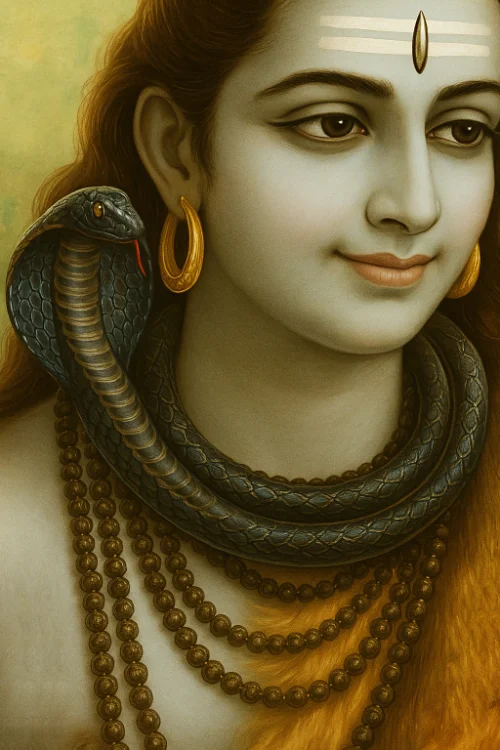
Liṅga Mahāpurāṇa — Uttara Bhāga
Chapter 8 — Eight Syllable Mantra
सूत उवाच
अष्टाक्षरो द्विजश्रेष्ठा नमो नारायणेति च ।
द्वादशाक्षरमंत्रश्च परमः परमात्मनः ॥ १ ॥
मंत्रः षडक्षरो विप्राः सर्ववेदार्थसञ्चयः ।
यश्वोंनमः शिवायेति मंत्रः सर्वार्थसाधकः॥२॥
तथा शिवतरायेति दिव्यः पञ्चाक्षरः शुभः ।
मयस्कराय चेत्येवं नमस्ते शङ्कराय च ॥३॥
सप्ताक्षरोयं रुद्रस्य प्रधानपुरुषस्य वै ।
ब्रह्मा च भगवान्विष्णुः सर्वे देवाः सवासवाः ॥४॥
मंत्रैरेतैर्द्विजश्रेष्ठा मुनयश्च यजंति तम् ।
शङ्करं देवदेवेशं मयस्करमजोद्भवम् ॥५॥
शिवं च शङ्करं रुद्रं देवदेवमुमापतिम् ।
प्राहुर्नमः शिवायेति नमस्ते शङ्कराय च ॥६॥
मयस्कराय रुद्राय तथा शिवतराय च।
वा मुच्येत वै विप्रो ब्रह्महत्यादिभिः क्षणात् ॥७॥
sūta uvāca
aṣṭākṣaro dvijaśreṣṭhā namo nārāyaṇeti ca |
dvādaśākṣaramaṃtraśca paramaḥ paramātmanaḥ || 1 ||
maṃtraḥ ṣaḍakṣaro viprāḥ sarvavedārthasañcayaḥ |
yaśvoṃnamaḥ śivāyeti maṃtraḥ sarvārthasādhakaḥ||2||
tathā śivatarāyeti divyaḥ pañcākṣaraḥ śubhaḥ |
mayaskarāya cetyevaṃ namaste śaṅkarāya ca ||3||
saptākṣaroyaṃ rudrasya pradhānapuruṣasya vai |
brahmā ca bhagavānviṣṇuḥ sarve devāḥ savāsavāḥ ||4||
maṃtrairetairdvijaśreṣṭhā munayaśca yajaṃti tam |
śaṅkaraṃ devadeveśaṃ mayaskaramajodbhavam ||5||
śivaṃ ca śaṅkaraṃ rudraṃ devadevamumāpatim |
prāhurnamaḥ śivāyeti namaste śaṅkarāya ca ||6||
mayaskarāya rudrāya tathā śivatarāya ca|
vā mucyeta vai vipro brahmahatyādibhiḥ kṣaṇāt ||7||
Sūta said- O foremost among Brahmins, the Eight-Syllable Mantra is 'Namo Nārāyaṇāya', and the Twelve-Syllable Mantra — Oṁ Namo Bhagavate Vāsudevāya — is the supreme one, belonging to the Supreme Soul (Parabrahman).
The Six-Syllable Mantra, O learned sages, contains the essence of all the Vedas. It is — Oṁ Namaḥ Śivāya—the mantra that fulfills all desires.
Similarly, the Five-Syllable Mantra is the divine and auspicious mantra: “Śivatarāya” (meaning 'most auspicious' or 'dedicated to Śiva').
There is also the great mantra: “Mayaskarāya” ('the bestower of bliss') and the revered salutation: “Namaste Śaṅkarāya”.
The Seven-Syllable Mantra of Rudra is dedicated to the Supreme Puruṣa (Cosmic Being). It is revered by Brahmā, Bhagavān Viṣṇu, all the gods, and even Indra himself.
O foremost among Brahmins, the ancient sages worship Śiva using these powerful mantras. They honor Śaṅkara, the Lord of Lords, who is Mayaskara (the bestower of bliss) and Aja-udbhava (the one born of the unborn, the eternal being).
Thus, sages and devotees glorify Śiva as Śaṅkara, Rudra, the Supreme Lord of gods, and the beloved consort of Umā.
By chanting “Namaḥ Śivāya” and “Namaste Śaṅkarāya” they attain divine blessings.
Likewise, the names: “Mayaskarāya” (the giver of bliss), “Rudrāya” (the fierce one), and “Śivatarāya” (the supremely auspicious one), are powerful enough that a Brahmin who chants them is instantly freed from even the sin of Brahmahatyā.
पुरा कश्चिद्विजः शक्तो धुंधुमूक इति श्रुतः ।
आसीत्तृतीये त्रेतायामावर्ते च मनोः प्रभोः ॥ ८॥
मेघवाहनकल्पे वै ब्रह्मणः परमात्मनः । वै
मेघो भूत्वा महादेवं कृत्तिवासमीश्वरम् ॥९॥
बहुमानेन वै रुद्रं देवदेवो जनार्दनः ।
खिन्नोऽतिभाराद्रुद्रस्य निःश्वासोच्छ्वासवर्जितः ॥ १० ॥
विज्ञाप्य शितिकंठाय तपश्चक्रेंबुजेक्षणः ।
तपसा परमैश्वर्यं बलं चैव तथाद्भुतम्॥११॥
लब्धवान्परमेशानाच्छङ्करात्परमात्मनः।
तस्मात्कल्पस्तदा चासीन्मेघवाहनसंज्ञया ॥१२॥
purā kaścidvijaḥ śakto dhuṃdhumūka iti śrutaḥ |
āsīttṛtīye tretāyāmāvarte ca manoḥ prabhoḥ || 8||
meghavāhanakalpe vai brahmaṇaḥ paramātmanaḥ | vai
megho bhūtvā mahādevaṃ kṛttivāsamīśvaram ||9||
bahumānena vai rudraṃ devadevo janārdanaḥ |
khinno’tibhārādrudrasya niḥśvāsocchvāsavarjitaḥ || 10 ||
vijñāpya śitikaṃṭhāya tapaścakreṃbujekṣaṇaḥ |
tapasā paramaiśvaryaṃ balaṃ caiva tathādbhutam||11||
labdhavānparameśānācchaṅkarātparamātmanaḥ|
tasmātkalpastadā cāsīnmeghavāhanasaṃjñayā ||12||
Long ago, there lived a mighty Brahmin who was known by the name Dhundhumūka.
He was born in the third cycle of the Tretā Yuga, during the reign of Manu, the lord of all beings.
This was in the era known as the Meghavāhana Kalpa, the third cycle of the Tretā Yuga, an age established by Brahmā, the Supreme Soul.
During this time, Lord Viṣṇu took the form of a great cloud to worship Mahādeva (Śiva), the Lord clad in tiger skin (Kṛttivāsa), the Supreme Master.
With deep reverence, Viṣṇu honored Rudra, the Supreme God of Gods, yet he became weakened by the immense burden of Rudra’s power.
As a result, he was devoid of breath, neither exhaling nor inhaling, overwhelmed by divine exhaustion.
Wishing to regain his strength, Viṣṇu (the Lotus-Eyed Janārdana) approached Śitikaṇṭha (Śiva, the blue-throated one) and performed intense penance in his devotion.
Through his great austerities (tapas), he attained immense divine power, unmatched strength, and supreme sovereignty.
Thus, by the grace of Paramātmā Śaṅkara (Śiva, the Supreme Soul), Viṣṇu received unparalleled strength and divine blessings.
This age was then named Meghavāhana Kalpa, In honor of this extraordinary event.
तस्मिन्कल्पे मुनेः शापाद्धुंधुमूकसमुद्भवः।
धुंधुमूकात्मजस्तेन दुरात्मा च बभूव सः ॥१३॥
धुंधुमूकः पुरासक्तो भार्यया सह मोहितः ।
तस्यां वै स्थापितो गर्भः कामासक्तेन चेतसा ॥ १४ ॥
tasminkalpe muneḥ śāpāddhuṃdhumūkasamudbhavaḥ|
dhuṃdhumūkātmajastena durātmā ca babhūva saḥ ||13||
dhuṃdhumūkaḥ purāsakto bhāryayā saha mohitaḥ |
tasyāṃ vai sthāpito garbhaḥ kāmāsaktena cetasā || 14 ||
During that Meghavāhana Kalpa, due to the curse of a great sage, a powerful being named Dhundhumūka was born.
From him, there later emerged a son, but he turned out to be a wicked and unrighteous soul.
Dhundhumūka, who had once been devoted to spiritual life, became deeply attached to worldly pleasures. He was completely enchanted by his wife, and under the influence of desire and attachment, a child was conceived in her womb.
अमावस्यामहन्येव मुहूर्ते रुद्रदैवते ।
अंतर्वत्नी तदा भार्या भुक्ता तेन यथासुखम् ॥ १५ ॥
amāvasyāmahanyeva muhūrte rudradaivate |
aṃtarvatnī tadā bhāryā bhuktā tena yathāsukham || 15 ||
On the day of Amāvasyā (New Moon), during a sacred moment (muhūrta) that was specifically dedicated to Rudra (Śiva), at that very time, Dhundhumūka's wife was pregnant, yet, in his desire, he indulged in physical pleasure with her, as per his satisfaction.
असूत सा च तनयं विशल्याख्या प्रयत्नतः ।
रुद्रे मुहूर्ते मंदेन वीक्षिते मुनिसत्तमाः ॥ १६ ॥
मातुः पितुस्तथारिष्टं स सञ्जात स्तथात्मनः ।
ऋषी तमूचतुर्विप्रा धुंधुमूकं मिथस्तदा ॥ १७॥
मित्रावरुणनामानौ दुष्पुत्र इति सत्तमौ ।
वसिष्टः प्राह नीचोऽपि प्रभावाद्वै बृहस्पते ॥ १८॥
पुत्रस्तवासौ दुर्बुद्धिरपि मुच्यति किल्बिषात्।
दुःखितो धुंधुमूकोऽसौ दृष्ट्वा पुत्रमवस्थितम्॥१९॥
जातकर्मादिकं कृत्वा विधिवत्स्वयमेव च ।
अध्यापयामास च तं विधिनैव द्विजोत्तमाः ॥२०॥
asūta sā ca tanayaṃ viśalyākhyā prayatnataḥ |
rudre muhūrte maṃdena vīkṣite munisattamāḥ || 16 ||
mātuḥ pitustathāriṣṭaṃ sa sañjāta stathātmanaḥ |
ṛṣī tamūcaturviprā dhuṃdhumūkaṃ mithastadā || 17||
mitrāvaruṇanāmānau duṣputra iti sattamau |
vasiṣṭaḥ prāha nīco’pi prabhāvādvai bṛhaspate || 18||
putrastavāsau durbuddhirapi mucyati kilbiṣāt|
duḥkhito dhuṃdhumūko’sau dṛṣṭvā putramavasthitam||19||
jātakarmādikaṃ kṛtvā vidhivatsvayameva ca |
adhyāpayāmāsa ca taṃ vidhinaiva dvijottamāḥ ||20||
In due time, his wife gave birth to a son whom she carefully named Viśalya. However, his birth occurred during a Rudra muhūrta, but under inauspicious circumstances, as he was born during a weak planetary position when Rudra’s influence was not properly honored.
Because of this, the child inherited negative karma from both his mother and father, and even upon himself, a great misfortune was destined.
Then, the sages and Brahmins spoke among themselves and addressed Dhundhumūka, saying: "The deities Mitra and Varuṇa have declared that your son is a 'wicked offspring' (duṣputra).”
O best among sages, but Vasiṣṭha then said: “Even a fallen one can be purified and uplifted by the supreme influence of Bṛhaspati.”
Upon hearing this, Dhundhumūka was filled with sorrow, seeing that his son’s fate was already tainted by misfortune. Yet, with faith and determination, he personally performed the sacred birth rituals according to the proper Vedic rites.
Afterward, he ensured that his son was educated properly, following all prescribed traditions, in the hope of reforming his nature.
तेनाधीतं यथान्यायं धौंधुमूकेन सुव्रताः ।
कृतोद्वाहस्तदा गत्वा गुरुशुश्रूषणे रतः ॥२१॥
tenādhītaṃ yathānyāyaṃ dhauṃdhumūkena suvratāḥ |
kṛtodvāhastadā gatvā guruśuśrūṣaṇe rataḥ ||21||
Thus, under the proper discipline, Viśalya was educated according to the correct traditions, under the guidance of Dhundhumūka.
After completing his studies, he was married according to Vedic rites, and then, he went to serve his Guru, dedicating himself to sincere discipleship.
अनेनैव मुनिश्रेष्ठा धौंधुमूकेन दुर्मदात् ।
भुक्त्वान्यां वृषलीं दृष्ट्वा स्वभार्यावद्दिवानिशम् ॥ २२ ॥
एकशय्यासनगतो धौंधुमूको द्विजाधमः ।
तथा चचार दुर्बुद्धिस्त्यक्त्वा धर्मगतिं पराम् ॥ २३ ॥
anenaiva muniśreṣṭhā dhauṃdhumūkena durmadāt |
bhuktvānyāṃ vṛṣalīṃ dṛṣṭvā svabhāryāvaddivāniśam || 22 ||
ekaśayyāsanagato dhauṃdhumūko dvijādhamaḥ |
tathā cacāra durbuddhistyaktvā dharmagatiṃ parām || 23 ||
Thus, O foremost among sages, Dhundhumūka’s wicked son, blinded by arrogance and intoxicated by his own pride, engaged in an immoral act.
He began indulging in pleasures with a low-caste woman, enjoying her day and night as if she were his lawful wife.
Consumed by lust and ignorance, Viśalya, the fallen Brahmin, shared the same bed and seat with her, abandoning all righteousness and spiritual duties.
Thus, the corrupt-minded one completely forsook the supreme path of dharma.
माध्वी पीता तया सार्धं तेन रागविवृद्धये ।
केनापि कारणेनैव तामुद्दिश्य द्विजोत्तमाः ॥ २४ ॥
निहता सा च पापेन वृषली गतमङ्गला ।
ततस्तस्यास्तदा तस्य भ्रातृभिर्निहतः पिता ॥ २५॥
माता च तस्य दुर्बुद्धे-
धौर्न्धुमूकस्य शोभना।
भार्या च तस्य दुर्बुद्धेः
श्यालास्ते चापि सुव्रताः ॥ २६ ॥
राज्ञा क्षणादहो नष्टं कुलं तस्याश्च तस्य च।
गत्वासौ धौंधुमूकश्च येन केनापि लीलया ॥२७॥
दृष्ट्वा तु तं मुनिश्रेष्ठं रुद्रजाप्यपरायणम् ।
लब्ध्वा पाशुपतं तद्वै पुरा देवान्महेश्वरात् ॥ २८ ॥
लब्ध्वा पञ्चाक्षरं चैव षडक्षरमनुत्तमम् ।
पुनः पञ्चाक्षरं चैव जप्त्वा लक्षं पृथक् पृथक् ॥ २९॥
व्रतं कृत्वा च विधिना दिव्यं द्वादशमासिकम् ।
कालधर्मं गतः कल्पे पूजितश्च यमेन वै ॥ ३० ॥
mādhvī pītā tayā sārdhaṃ tena rāgavivṛddhaye |
kenāpi kāraṇenaiva tāmuddiśya dvijottamāḥ || 24 ||
nihatā sā ca pāpena vṛṣalī gatamaṅgalā |
tatastasyāstadā tasya bhrātṛbhirnihataḥ pitā || 25||
mātā ca tasya durbuddhe-
dhaurndhumūkasya śobhanā|
bhāryā ca tasya durbuddheḥ
śyālāste cāpi suvratāḥ || 26 ||
rājñā kṣaṇādaho naṣṭaṃ kulaṃ tasyāśca tasya ca|
gatvāsau dhauṃdhumūkaśca yena kenāpi līlayā ||27||
dṛṣṭvā tu taṃ muniśreṣṭhaṃ rudrajāpyaparāyaṇam |
labdhvā pāśupataṃ tadvai purā devānmaheśvarāt || 28 ||
labdhvā pañcākṣaraṃ caiva ṣaḍakṣaramanuttamam |
punaḥ pañcākṣaraṃ caiva japtvā lakṣaṃ pṛthak pṛthak || 29||
vrataṃ kṛtvā ca vidhinā divyaṃ dvādaśamāsikam |
kāladharmaṃ gataḥ kalpe pūjitaśca yamena vai || 30 ||
Viśalya, blinded by intense passion, consumed an intoxicating drink together with the a low-caste woman.
Driven by desire, and for reasons not entirely clear, he killed the vṛṣalī, bringing about her inauspicious death.
In retaliation, the brothers of the vṛṣalī killed Viśalya’s father Dhundhumūka, the mother of Viśalya, known as Śobhanā, and his wife. And then the brothers of the vṛṣalī were all killed by the king to restore justice for these misdeeds.
Thus, in a single moment, O noble sages, the entire family of Viśalya and the vṛṣalī was destroyed by these events.
After witnessing such devastation, Viśalya, burdened by guilt and sorrow, wandered aimlessly, driven by fate and whims.
Eventually, he encountered a great sage, who was deeply devoted to the recitation of Rudra mantras.
Inspired by the sage, Viśalya performed intense penance and obtained the Paśupata mantra and other divine blessings From Mahādeva (Śiva).
He also received the Paṅcākṣara mantra ("Namaḥ Śivāya") and the Ṣaḍākṣara mantra (six-syllable mantra).
With discipline, he chanted the Paṅcākṣara mantra 100,000 times for each syllable, following strict spiritual observances.
Undertaking a divine vow lasting twelve months, he adhered to all the prescribed rituals.
When his time of death arrived, Viśalya departed this world and entered Yama’s realm, where even Yama himself honored him for his devotion and penance.
उद्धृता च तथा माता पिता श्यालाश्च सुव्रताः ।
पत्नी च सुभगा जाता सुस्मिता च पतिव्रता ॥ ३१ ॥
ताभिर्विमानमारुह्य देवैः सेंद्रैरभिष्टुतः ।
गाणपत्यमनुप्राप्य रुद्रस्य दयितोऽभवत् ॥ ३२ ॥
तस्मादष्टाक्षरान्मंत्रात्तथा वै द्वादशाक्षरात् ।
भवेत्कोटिगुणं पुण्यं नात्र कार्या विचारणा ॥ ३३ ॥
तस्माज्जपेद्धि यो नित्यं प्रागुक्तेनविधानतः ।
शक्तिबीजसमायुक्तं स याति परमां गतिम् ॥३४॥
एतद्वः कथितं सर्वं कथासर्वस्वमुत्तमम् ।
यः पठेच्छृणुयाद्वापि श्रावयेद्वा द्विजोत्तमान् ॥ ३५॥
स याति ब्रह्मलोकं तु रुद्रजाप्यमनुत्तमम् ॥ ३६॥
uddhṛtā ca tathā mātā pitā śyālāśca suvratāḥ |
patnī ca subhagā jātā susmitā ca pativratā || 31 ||
tābhirvimānamāruhya devaiḥ seṃdrairabhiṣṭutaḥ |
gāṇapatyamanuprāpya rudrasya dayito’bhavat || 32 ||
tasmādaṣṭākṣarānmaṃtrāttathā vai dvādaśākṣarāt |
bhavetkoṭiguṇaṃ puṇyaṃ nātra kāryā vicāraṇā || 33 ||
tasmājjapeddhi yo nityaṃ prāguktenavidhānataḥ |
śaktibījasamāyuktaṃ sa yāti paramāṃ gatim ||34||
etadvaḥ kathitaṃ sarvaṃ kathāsarvasvamuttamam |
yaḥ paṭhecchṛṇuyādvāpi śrāvayedvā dvijottamān || 35||
sa yāti brahmalokaṃ tu rudrajāpyamanuttamam || 36||
The mother, father, and the brothers-in-law were all redeemed and uplifted, as well as his wife, who became blessed, cheerful, and fully devoted to her husband.
Together with these relatives, he ascended a celestial chariot (vimāna), which had been sent by the gods, including Indra,who praised and honored him.
He attained the Gaṇapatya realm, and became a dear devotee of Lord Rudra.
Through the power of the Aṣṭākṣara mantra ("Oṁ Namo Nārāyaṇāya") and the Dvādaśākṣara mantra ("Oṁ Namo Bhagavate Vāsudevāya"), one earns merit that is a 10 million times greater than any other spiritual practice. There is no doubt about this.
Thus, one who chants these mantras daily, following the prescribed method, and includes the Śakti Bīja (seed syllables of divine energy), will surely attain the supreme state of liberation.
This sacred story, which encompasses the essence of all stories, has now been narrated to you.
Whoever reads, hears, or recites this tale to other noble Brahmins shall attain the highest realm of Brahmā.
Indeed, such a person becomes a devotee of the supreme Rudra mantra practice and ascends to the incomparable state of Brahmaloka.
इति श्रीलिङ्गमहापुराणे उत्तरभागे अष्टाक्षर मन्त्रा नाम अष्टमोऽध्यायः ॥ ८॥
iti śrīliṅgamahāpurāṇe uttarabhāge aṣṭākṣara mantrā nāma aṣṭamo’dhyāyaḥ || 8||
Full Synopsis of The Eight Syllable Mantra
The text highlights the significance and transformative power of various sacred mantras dedicated to Lord Śiva and Lord Viṣṇu, emphasizing their ability to bestow liberation and divine grace. It narrates a story set in the Meghavāhana Kalpa of Brahmā, during the Tretāyuga, revolving around a Brāhmaṇa named Dhundhumuka and his son, who faced a series of moral and spiritual challenges.
Dhundhumuka’s son, born under inauspicious circumstances, initially led a sinful life, indulging in immoral acts and straying from the path of virtue. However, his life took a turn when he encountered a great sage reciting Śiva’s mantras. Inspired, he obtained the sacred Pāśupata mantra and performed rigorous penance, reciting the five- and six-syllable mantras of Śiva a hundred thousand times. As a result of his devotion and penance, the son redeemed not only himself but also his entire family, including his parents and wife. Elevated to divine status, he became the chief of Śiva’s Gaṇas and was praised by Indra and other deities. The story concludes by emphasizing the immense spiritual benefits of reciting mantras such as "Om Namaḥ Śivāya" and "Om Namo Nārāyaṇāya," which can lead one to liberation and unity with the divine. The narrative underscores the transformative power of devotion, repentance, and the repetition of sacred mantras in attaining spiritual fulfillment.