

Demons Killed by Krishna
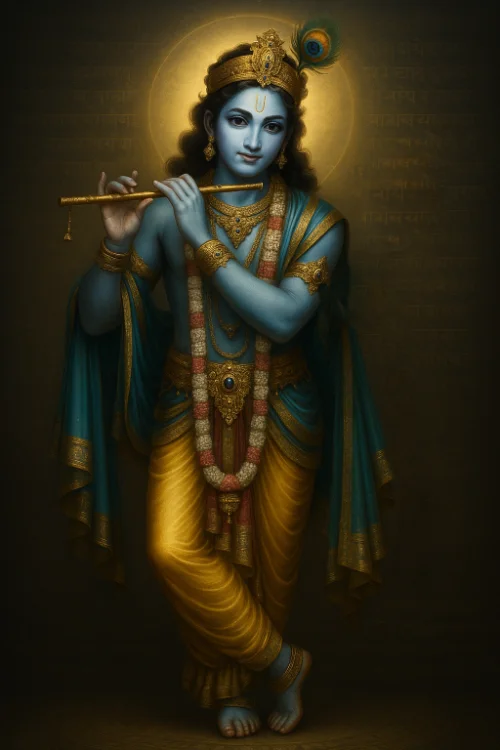
This unique page explores the 21 demons defeated by Lord Śrī Kṛṣṇa during His childhood pastimes in Vṛndāvana, as narrated in the Bhāgavata Purāṇa and other sacred texts. Each demon represents a specific anartha (inner impurity or obstacle) that hinders the soul’s progress on the spiritual path.
From Pūtanā, symbolizing false gurus, to Vyomasura, representing deceptive impostors, every name is presented with transliteration and clear spiritual interpretation. This page serves as a profound guide to inner purification, helping devotees identify and transcend tendencies like pride, envy, lust, illusion, false ego, and materialistic ignorance.
Whether you’re a student of bhakti-yoga, a practitioner of Kṛṣṇa consciousness, or a spiritual seeker looking for meaning in divine symbolism, this list offers deep insights into the soul’s inner battle and the transformative power of devotion to Śrī Kṛṣṇa.
Srila Bhaktivinoda Thakura in his Sri Caitanya Siksamrita describes the demons Krishna killed in His Vrindavana pastimes and the anarthas (unwanted things) that they represent.
-
PūtanāThe pseudo-guru; one who outwardly assumes the role of a teacher or nurturer, but whose motives are harmful or impure.
-
ŚakaṭāsuraThe cart demon; represents the burden of old and new bad habits, inertia, and vanity that weigh down spiritual progress.
-
TṛṇāvartaThe whirlwind demon; symbolizes the destructive force of false pride that arises from academic arrogance and speculative philosophy.
-
Nalakūvara and MaṇigrīvaPuffed-up prestige rooted in intoxication and wealth; teaches humility and surrender to divine mercy.
-
VatsāsuraThe calf demon; childish mentality driven by greed and mischief, a distraction from higher consciousness.
-
BakāsuraThe stork demon; embodies cunning hypocrisy, deceptive behavior, and superficial spirituality.
-
AghāsuraThe snake demon; represents cruelty, violence, and the devouring nature of sinful tendencies.
-
Brahmā-vimohanaThe bewilderment of Brahmā; warns against mundane learning and intellectual pride that obscures realization of Krishna’s divinity.
-
DhenukāsuraThe ass demon; symbolizes gross materialism and ignorance that resists spiritual nourishment and refinement.
-
KāliyaThe poisonous serpent; represents envy, brutality, and treachery that pollute the heart.
-
Forest FireInter-communal discord among Vaiṣṇavas; destructive conflict caused by misunderstanding and sectarianism.
-
PralaṁbāsuraThe demon of lust and selfish ambition; desire for personal gain and honor under the guise of devotion.
-
Second Forest FireRepresents disturbance of dharma and harassment of sincere practitioners by atheistic forces.
-
Brahmanas’ SacrificePride of social status (varṇāśrama); causes indifference toward Krishna and true spiritual engagement.
-
Indra-mohaOvercoming Indra’s pride; warns against demigod worship and thinking oneself supreme or indispensable.
-
Varuṇa-pāśaNanda’s capture by Varuṇa; the illusion that intoxication or mystical experiences enhance spiritual life.
-
Vidyādhara-mokṣaSwallowed by the serpent; the danger of impersonalism swallowing Krishna consciousness.
-
ŚaṅkhacūḍaThe conch-shell demon; desire for name, fame, and sensual pleasure under the guise of devotion.
-
AriṣṭāsuraThe bull demon; pride from false religion or rituals that leads to neglect of bhakti.
-
KeśīThe horse demon; the ego of being a great devotee or spiritual leader.
-
VyomasuraThe sky demon; association with false teachers and impostors who claim to be divine incarnations.