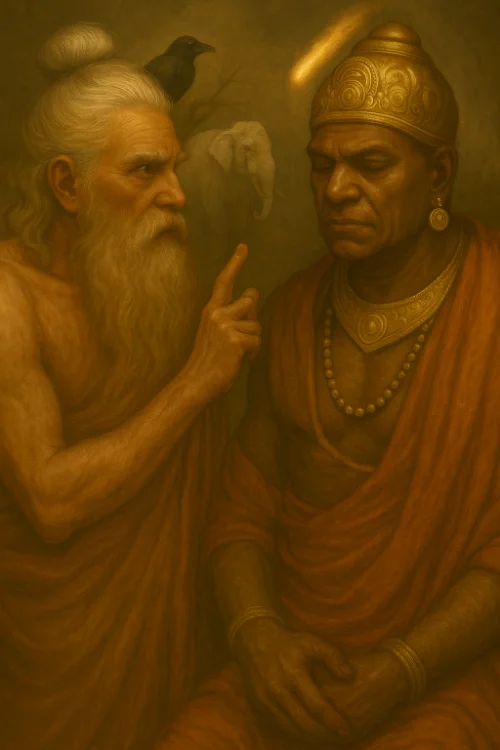
Mahābhārata - Bhishma Parva
Chapter 3 - Various Indications of the Jambukhanda
व्यास उवाच
खरा गोषु प्रजायन्ते रमन्ते मातृभिः सुताः ।
अनार्तवं पुष्पफलं दर्शयन्ति वनद्रुमाः || १ ||
vyāsa uvāca
kharā goṣu prajāyante ramante mātṛbhiḥ sutāḥ |
anārtavaṃ puṣpaphalaṃ darśayanti vanadrumāḥ || 1 |
Vyasa said Donkeys are born among cows, sons find pleasure with their mothers, and forest trees display flowers and fruits at unseasonal times.
गर्भिण्योऽजातपुत्राश्च जनयन्ति विभीषणान् ।
क्रव्यादाः पक्षिभिश्चापि सहाश्नन्ति परस्परम् ॥ २ ॥
garbhiṇyo’jātaputrāśca janayanti vibhīṣaṇān |
kravyādāḥ pakṣibhiścāpi sahāśnanti parasparam || 2 ||
Pregnant women, give birth to terrifying and dreadful beings, flesh-eating beings and birds eat together, devouring one another.
त्रिविषाणाश्चतुर्नेत्राः पञ्चपादा द्विमेहनाः ।
द्विशीर्षाश्च द्विपुच्छाश्च दंष्ट्रिणः पशवोऽशिवाः ॥३॥
triviṣāṇāścaturnetrāḥ pañcapādā dvimehanāḥ |
dviśīrṣāśca dvipucchāśca daṃṣṭriṇaḥ paśavo’śivāḥ ||3||
Animals with three horns, four eyes, five legs, and two genitals, with two heads, two tails, and fangs—such inauspicious creatures appear.
जायन्ते विवृतास्याश्च व्याहरन्तोऽशिवा गिरः ।
त्रिपदाः शिखिनस्तार्क्ष्याश्चतुर्दंष्ट्रा विषाणिनः ||४||
jāyante vivṛtāsyāśca vyāharanto’śivā giraḥ |
tripadāḥ śikhinastārkṣyāścaturdaṃṣṭrā viṣāṇinaḥ ||4||
They are born with mounts wide open, emitting fearful cries. Horses with three legs, crests, four teeth, and horns are also born.
तथैवान्याश्च दृश्यन्ते स्त्रियो वै ब्रह्मवादिनाम् ।
वैनतेयान् मयूरांश्च जनयन्ति पुरे तव ॥ ५ ॥
tathaivānyāśca dṛśyante striyo vai brahmavādinām |
vainateyān mayūrāṃśca janayanti pure tava || 5 ||
O king, the wives of many Brahmavadins in your city are seen to give birth to eagles and pea-cocks.
गोवत्सं वडवा सूते श्वा शृगालं महीपते ।
कुक्कुरान् करभाश्चैव शुकाश्चाशुभवादिनः ।। ६ ।।
govatsaṃ vaḍavā sūte śvā śṛgālaṃ mahīpate |
kukkurān karabhāścaiva śukāścāśubhavādinaḥ || 6 ||
A mare gives birth to a calf, O king, and a dog gives birth to a jackal. Donkeys give birth to dogs, and parrots utter inauspicious words.
स्त्रियः काश्चित्प्रजायन्ते चतस्रः पञ्च कन्यकाः ।
जातमात्राश्च नृत्यन्ति गायन्ति च हसन्ति च ॥७॥
striyaḥ kāścitprajāyante catasraḥ pañca kanyakāḥ |
jātamātrāśca nṛtyanti gāyanti ca hasanti ca ||7||
Women give birth to four or five daughters at a time, and these daughters dance, sing, and laugh as soon as they are born.
पृथग्जनस्य सर्वस्य क्षुद्रकाः प्रहसन्ति च।
नृत्यन्ति परिगायन्ति वेदयन्तो महद् भयम् ॥८॥
pṛthagjanasya sarvasya kṣudrakāḥ prahasanti ca|
nṛtyanti parigāyanti vedayanto mahad bhayam ||8||
Among common people, even the lowly ones laugh excessively. They dance, sing loudly, and unknowingly signal a great impending danger.
प्रतिमाश्चालिखन्त्येताः सशस्त्राः कालचोदिताः ।
अन्योन्यमभिधावन्ति शिशवो दण्डपाणयः ॥ ९ ॥
pratimāścālikhantyetāḥ saśastrāḥ kālacoditāḥ |
anyonyamabhidhāvanti śiśavo daṇḍapāṇayaḥ || 9 ||
Driven by fate, children draw images of armed figures carrying sticks in their hands, they run towards each other as if to fight.
अन्योन्यमभिमृद्नन्ति नगराणि युयुत्सवः ।
पद्मोत्पलानि वृक्षेषु जायन्ते कुमुदानि च ॥ १० ॥
anyonyamabhimṛdnanti nagarāṇi yuyutsavaḥ |
padmotpalāni vṛkṣeṣu jāyante kumudāni ca || 10 ||
Warlike people crush one another as they engage in battles within cities. Lotuses and water lilies bloom on trees, and even night lotuses appear.
विष्वग्वाताश्च वान्त्युग्रा रजो नाप्युपशाम्यति ।
अभीक्ष्णं कम्पते भूमिरर्क राहुरुपैति च ॥ ११ ॥
viṣvagvātāśca vāntyugrā rajo nāpyupaśāmyati |
abhīkṣṇaṃ kampate bhūmirarka rāhurupaiti ca || 11 ||
Fierce winds blow violently in all directions, yet the dust never settles. The earth trembles frequently, and Rāhu continually approaches the sun.
श्वेतो ग्रहस्तथा चित्रां समतिक्रम्य तिष्ठति ।
अभावं हि विशेषेण कुरूणां तत्र पश्यति || १२ |
śveto grahastathā citrāṃ samatikramya tiṣṭhati |
abhāvaṃ hi viśeṣeṇa kurūṇāṃ tatra paśyati || 12 |
A white planet Ketu stands still, moving beyond the constellation Citrā. There, it specifically foretells the destruction of the Kuru dynasty.
धूमकेतुर्महाघोरः पुष्यं चाक्रम्य तिष्ठति ।
सेनयोरशिवं घोरं करिष्यति महाग्रहः ॥ १३ ॥
dhūmaketurmahāghoraḥ puṣyaṃ cākramya tiṣṭhati |
senayoraśivaṃ ghoraṃ kariṣyati mahāgrahaḥ || 13 ||
The terrifying Dhūmaketu (comet) stands in the constellation Puṣya. This great celestial body will bring dreadful misfortune to both armies.
मघास्वङ्गारको वक्रः श्रवणे च बृहस्पतिः ।
भगं नक्षत्रमाक्रम्य सूर्यपुत्रेण पीड्यते || १४ ||
maghāsvaṅgārako vakraḥ śravaṇe ca bṛhaspatiḥ |
bhagaṃ nakṣatramākramya sūryaputreṇa pīḍyate || 14 ||
Mars moves retrograde in the constellation Maghā, and Bṛhaspati (Jupiter) stands in Śravaṇa. The Bhaga constellation is afflicted, as it is tormented by Sūrya’s son Shani.
शुक्र : प्रोष्ठपदे पूर्वे समारुह्य विरोचते ।
उत्तरे तु परिक्रम्य सहितः समुदीक्षते ॥ १५ ॥
śukra : proṣṭhapade pūrve samāruhya virocate |
uttare tu parikramya sahitaḥ samudīkṣate || 15 ||
The planet Shukra rises towards Purva Bhadra. Shining brilliantly and shooting towards the Uttara Bhadra, it looks towards it.
श्वेतो ग्रहः प्रज्वलितः सधूम इव पावकः ।
ऐन्द्रं तेजस्वि नक्षत्रं ज्येष्ठामाक्रम्य तिष्ठति । । १६ ।।
śveto grahaḥ prajvalitaḥ sadhūma iva pāvakaḥ |
aindraṃ tejasvi nakṣatraṃ jyeṣṭhāmākramya tiṣṭhati | | 16 ||
Ketu, blazing up like smoky fire, stops and afflicts the effulgent constellation of Indra.
ध्रुवं प्रज्वलितो घोरमपसव्यं प्रवर्तते ।
रोहिणी पीडयत्येवमुभौ च शशिभास्करौ ।
चित्रास्वात्यन्तरे चैव विष्ठितः परुषग्रहः ।। १७॥
dhruvaṃ prajvalito ghoramapasavyaṃ pravartate |
rohiṇī pīḍayatyevamubhau ca śaśibhāskarau |
citrāsvātyantare caiva viṣṭhitaḥ paruṣagrahaḥ || 17||
The Pole Star Dhruva blazes fiercely, and moves in a counterclockwise direction. It afflicts Rohiṇī, as do both the Moon and the Sun. A harsh and malefic Rahu stands between the constellations Citrā and Svātī.
वक्रानुवक्रं कृत्वा च श्रवणं पावकप्रभः ।
ब्रह्मराशिं समावृत्य लोहिताङ्गो व्यवस्थितः ॥ १८ ॥
vakrānuvakraṃ kṛtvā ca śravaṇaṃ pāvakaprabhaḥ |
brahmarāśiṃ samāvṛtya lohitāṅgo vyavasthitaḥ || 18 ||
Moving in a zigzag and retrograde motion, a fiery planet reaches Śravaṇa. The red-bodied Mars (Lohitāṅga) stands stationed, having encircled the constellation of Brahmā, Meena Rāśi.
सर्वसस्यपरिच्छन्ना पृथिवी सस्यमालिनी ।
पञ्चशीर्षा यवाश्चापि शतशीर्षाश्च शालयः ।। १९॥
sarvasasyaparicchannā pṛthivī sasyamālinī |
pañcaśīrṣā yavāścāpi śataśīrṣāśca śālayaḥ || 19||
The entire earth is covered with crops, yet the fields appear overgrown and disorderly. Barley grows with five heads, and rice plants sprout with a hundred heads.
प्रधानाः सर्वलोकस्य यास्वायत्तमिदं जगत् ।
ता गावः प्रस्नुता वत्सैः शोणितं प्रक्षरन्त्युत ।। २० ।।
pradhānāḥ sarvalokasya yāsvāyattamidaṃ jagat |
tā gāvaḥ prasnutā vatsaiḥ śoṇitaṃ prakṣarantyuta || 20 ||
The cows, who are the chief sustainers of all worlds, and upon whom this entire universe depends, are milked by their calves, yet they emit streams of blood instead of milk.
निश्चेरुरर्चिषश्चापात् खङ्गाश्च ज्वलिता भृशम्।
व्यक्तं पश्यन्ति शस्त्राणि संग्रामं समुपस्थितम् || २१||
niścerurarciṣaścāpāt khaṅgāśca jvalitā bhṛśam|
vyaktaṃ paśyanti śastrāṇi saṃgrāmaṃ samupasthitam || 21||
Rays of light come out from bows, and swords produce excellent luster. These weapons see before them the battle as if it has already begun.
अग्निवर्णा यथा भासः शस्त्राणामुदकस्य च।
कवचानां ध्वजानां च भविष्यति महाक्षयः ॥ २२ ॥
agnivarṇā yathā bhāsaḥ śastrāṇāmudakasya ca|
kavacānāṃ dhvajānāṃ ca bhaviṣyati mahākṣayaḥ || 22 ||
The radiance of weapons, water, armor, and banners shines with the color of fire. A great slaughter of men and beasts is sure to take place.
पृथिवी शोणितावर्ता ध्वजोडुपसमाकुला ।
कुरूणां वैशसे राजन् पाण्डवैः सह भारत।। २३ ।।
pṛthivī śoṇitāvartā dhvajoḍupasamākulā |
kurūṇāṃ vaiśase rājan pāṇḍavaiḥ saha bhārata|| 23 ||
O descendant of Bharata, O king, in this battle of the Kurus and the Pandavas, the Earth will appear like a river of blood with the same standards as so many rafts.
दिक्षु प्रज्वलितास्याश्च व्याहरन्ति मृगद्विजाः ।
अत्याहितं दर्शयन्तो वेदयन्ति महद् भयम् ॥ २४ ॥
dikṣu prajvalitāsyāśca vyāharanti mṛgadvijāḥ |
atyāhitaṃ darśayanto vedayanti mahad bhayam || 24 ||
On all sides, animals and birds utter harsh cries, their mouths burning like fire—this forebode fearful evils.
एकपक्षाक्षिचरणः शकुनिः खचरो निशि ।
रौद्रं वदति संरब्धः शोणितं छर्दयन्निव ।। २५ ।।
ekapakṣākṣicaraṇaḥ śakuniḥ khacaro niśi |
raudraṃ vadati saṃrabdhaḥ śoṇitaṃ chardayanniva || 25 ||
A deformed bird, having one wing, one eye, and one foot, flies through the sky at night. Enraged and agitated, it utters dreadful cries, as if vomiting blood.
शस्त्राणि चैव राजेन्द्र प्रज्वलन्तीव सम्प्रति ।
सप्तर्षीणामुदाराणां समवच्छाद्यते प्रभा ।। २६ ।।
śastrāṇi caiva rājendra prajvalantīva samprati |
saptarṣīṇāmudārāṇāṃ samavacchādyate prabhā || 26 ||
O king of kings, all weapons appear blazing in great brilliance. But the effulgence of the constellation of the seven Rishis has become dim.
संवत्सरस्थायिनौ च ग्रहौ प्रज्वलितावुभौ ।
विशाखायाः समीपस्थौ बृहस्पतिशनैश्चरौ ॥ २७॥
saṃvatsarasthāyinau ca grahau prajvalitāvubhau |
viśākhāyāḥ samīpasthau bṛhaspatiśanaiścarau || 27||
Those two burning planets, Brihaspati and Shani, have been fixed for a year.
चन्द्रादित्यावुभौ ग्रस्तावेकाह्ना हि त्रयोदशीम् ।
अपर्वणि ग्रहं यातौ प्रजासंक्षयमिच्छतः ॥ २८ ॥
candrādityāvubhau grastāvekāhnā hi trayodaśīm |
aparvaṇi grahaṃ yātau prajāsaṃkṣayamicchataḥ || 28 ||
Both the Moon and the Sun are eclipsed on the same day, during the Trayodaśī. These eclipses occur on an inauspicious day, foretelling the destruction of living beings.
अशोभिता दिशः सर्वाः पांसुवर्षै: समन्ततः ।
उत्पातमेघा रौद्राश्च रात्रौ वर्षन्ति शोणितम् ॥ २९ ॥
aśobhitā diśaḥ sarvāḥ pāṃsuvarṣai: samantataḥ |
utpātameghā raudrāśca rātrau varṣanti śoṇitam || 29 ||
All directions appear gloomy, as dust storms rage everywhere. Ominous and fearsome clouds rain blood at night.
कृत्तिकां पीड़यंस्तीक्ष्णैर्नक्षत्रं पृथिवीपते ।
अभीक्ष्णवाता वायन्ते धूमकेतुमवस्थिताः ॥ ३० ॥
kṛttikāṃ pīḍa yaṃstīkṣṇairnakṣatraṃ pṛthivīpate |
abhīkṣṇavātā vāyante dhūmaketumavasthitāḥ || 30 ||
O King, the harsh celestial bodies afflict the Kṛttikā constellation (Pleiades).
Fierce winds blow constantly, as the comet Dhūmaketu remains stationed in the sky.
विषमं जनयन्त्येत आक्रन्दजननं महत् ।
त्रिषु सर्वेषु नक्षत्रनक्षत्रेषु विशाम्पते ।
गृध्रः सम्पतते शीर्षं जनयन् भयमुत्तमम् ॥ ३१॥
viṣamaṃ janayantyeta ākrandajananaṃ mahat |
triṣu sarveṣu nakṣatranakṣatreṣu viśāmpate |
gṛdhraḥ sampatate śīrṣaṃ janayan bhayamuttamam || 31||
These celestial events produce great cries of distress, bringing forth immense fear and calamity.
O Lord of the people (King), a vulture swoops down upon a head among three major constellations, generating supreme terror.
चतुर्दशीं पञ्चदशीं भूतपूर्वं च षोडशीम् ।
इमां तु नाभिजानेऽहममावास्यां त्रयोदशीम् ।
चन्द्रसूर्यावुभौ ग्रस्तावेकमासीं त्रयोदशीम्॥३२॥
caturdaśīṃ pañcadaśīṃ bhūtapūrvaṃ ca ṣoḍaśīm |
imāṃ tu nābhijāne’hamamāvāsyāṃ trayodaśīm |
candrasūryāvubhau grastāvekamāsīṃ trayodaśīm||32||
Chaturdaśī, Pañchadaśī, and even Ṣoḍaśī have occurred before. But I have never seen Amāvāsyā (the new moon) falling on Trayodaśī.
Both the Moon and the Sun are eclipsed on the same day on Trayodaśī.
अपर्वणि ग्रहेणैतौ प्रजाः संक्षपयिष्यतः ।
मांसवर्षं पुनस्तीव्रमासीत् कृष्णचतुर्दशीम् ।
शोणितैर्वक्त्रसम्पूर्णा अतृप्तास्तत्र राक्षसाः ।।३३।।
aparvaṇi graheṇaitau prajāḥ saṃkṣapayiṣyataḥ |
māṃsavarṣaṃ punastīvramāsīt kṛṣṇacaturdaśīm |
śoṇitairvaktrasampūrṇā atṛptāstatra rākṣasāḥ ||33||
During this inauspicious eclipse, the Sun and the Moon will bring about the destruction of living beings.
Once again, on Kṛṣṇa Caturdaśī there was a terrible downpour of flesh. The Rākṣasas, their mouths filled with blood, remained unsatisfied, craving more.
प्रतिस्रोतो महानद्यः सरित: शोणितोदका: ।
फेनायमानाः कूपाश्च कूर्दन्ति वृषभा इव ||३४||
pratisroto mahānadyaḥ sarita: śoṇitodakā: |
phenāyamānāḥ kūpāśca kūrdanti vṛṣabhā iva ||34||
Great rivers flow against their natural course, their waters turning into blood. Wells froth and bubble, and roar like bulls.
पतन्त्युका सनिर्घाताः शक्राशनिसमप्रभाः ।
अद्य चैव निशां व्युष्टामनयं समवाप्स्यथ ।। ३५ ।।
patantyukā sanirghātāḥ śakrāśanisamaprabhāḥ |
adya caiva niśāṃ vyuṣṭāmanayaṃ samavāpsyatha || 35 ||
Meteors, as effulgent as Indra's thunder, fall on Earth with a loud sound. When this night passes away, a great danger will fall on you.
विनिःसृत्य महोल्काभिस्तिमिरं सर्वतोदिशम्।
अन्योन्यमुपतिष्ठद्भिस्तत्र चोक्तं महर्षिभिः ।। ३६ ।
viniḥsṛtya maholkābhistimiraṃ sarvatodiśam|
anyonyamupatiṣṭhadbhistatra coktaṃ maharṣibhiḥ || 36 |
Great flaming meteors burst forth, dispersing darkness in all directions. As they approach one another, the great sages proclaimed their warning there.
भूमिपाल सहस्राणां भूमि: पास्यति शोणितम् ।
कैलासमन्दराभ्यां तु तथा हिमवता विभो ।। ३७ ।।
bhūmipāla sahasrāṇāṃ bhūmi: pāsyati śoṇitam |
kailāsamandarābhyāṃ tu tathā himavatā vibho || 37 ||
O Lord, the earth will drink the blood of thousands of kings. From Kailāsa and Mandara to the mighty Himālaya, this devastation shall spread.
सहस्रशो महाशब्दः शिखराणि पतन्ति च ।
महाभूता भूमिकम्पे चत्वारः सागराः पृथक् ।
sahasraśo mahāśabdaḥ śikharāṇi patanti ca |
mahābhūtā bhūmikampe catvāraḥ sāgarāḥ pṛthak |
Thousands of thunderous sounds echo, and mountain peaks collapse. As the great elements shake the earth, the four oceans separate from one another.
वेलामुद्वर्तयन्तीव क्षोभयन्तो वसुंधराम् ॥ ३८ ॥
वृक्षानुन्मथ्य वान्त्युग्रा वाताः शर्करकर्षिणः ।
velāmudvartayantīva kṣobhayanto vasuṃdharām || 38 ||
vṛkṣānunmathya vāntyugrā vātāḥ śarkarakarṣiṇaḥ |
The oceans surge beyond their shores, violently shaking the earth. Fierce winds uproot trees, and carry whirling dust and gravel.
आभग्नाः सुमहावातैरशनीभिः समाहताः ।। ३९ ।।
वृक्षाः पतन्ति चैत्याश्च ग्रामेषु नगरेषु च ।
ābhagnāḥ sumahāvātairaśanībhiḥ samāhatāḥ || 39 ||
vṛkṣāḥ patanti caityāśca grāmeṣu nagareṣu ca |
Shattered by mighty winds and struck by lightning, trees and sacred chaitya trees fall in villages and cities alike.
नीललोहितपीतश्च भवत्यग्निर्हतो द्विजैः ॥ ४० ॥
वामाचिर्दुष्टगन्धश्च मुञ्चन् वै दारुणं स्वनम् ।
nīlalohitapītaśca bhavatyagnirhato dvijaiḥ || 40 ||
vāmācirduṣṭagandhaśca muñcan vai dāruṇaṃ svanam |
When the Brahmanas pour sacrificial libations on fire, they become blue, red, or yellow. The flame turns towards the left, producing a foul odor and loud sounds.
स्पर्शा गन्धा रसाचैव विपरीता महीपते । ४१॥
धूमं ध्वजा: प्रमुञ्चन्ति कम्पमाना मुहुर्मुहुः ।
मुञ्चन्त्यङ्गारवर्षं च भेर्यश्च पटहास्तथा ॥ ४२ ॥
sparśā gandhā rasācaiva viparītā mahīpate | 41||
dhūmaṃ dhvajā: pramuñcanti kampamānā muhurmuhuḥ |
muñcantyaṅgāravarṣaṃ ca bheryaśca paṭahāstathā || 42 ||
O King, the sensations of touch, smell, and taste all become unnatural and reversed.
Banners release smoke as they tremble repeatedly. They shower rains of burning embers, while war drums and kettle drums thunder.
शिखराणां समृद्धानामुपरिष्टात् समन्ततः ।
वायसाश्च रुवन्त्युग्रं वामं मण्डलमाश्रिताः ॥ ४३ ॥
पक्वापक्वेति सुभृशं वावाश्यन्ते वयांसि च ।
śikharāṇāṃ samṛddhānāmupariṣṭāt samantataḥ |
vāyasāśca ruvantyugraṃ vāmaṃ maṇḍalamāśritāḥ || 43 ||
pakvāpakveti subhṛśaṃ vāvāśyante vayāṃsi ca |
From the lofty mountain peaks, on all sides, crows shriek fiercely, circling towards the leftward direction. Birds cry out loudly in distress.
निलीयन्ते ध्वजाग्रेषु क्षयाय पृथिवीक्षिताम् ॥ ४४ ॥
ध्यायन्त: प्रकिरन्तश्च व्याला वेपथुसंयुताः ।
दीनास्तुरङ्गमाः सर्वे वारणाः सलिलाश्रयाः ।। ४५ ।।
nilīyante dhvajāgreṣu kṣayāya pṛthivīkṣitām || 44 ||
dhyāyanta: prakirantaśca vyālā vepathusaṃyutāḥ |
dīnāsturaṅgamāḥ sarve vāraṇāḥ salilāśrayāḥ || 45 ||
Crows take refuge upon flag-tops, foretelling the destruction of rulers of the earth. Serpents, trembling with fear, are seen either meditating or scattering away. All horses appear distressed, and elephants seek refuge in water.
एतच्छ्रुत्वा भवानत्र प्राप्तकालं व्यवस्यताम् ।
यथा लोकः समुच्छेदं नायं गच्छेत भारत।।४६॥
etacchrutvā bhavānatra prāptakālaṃ vyavasyatām |
yathā lokaḥ samucchedaṃ nāyaṃ gaccheta bhārata||46||
Having heard all this, O descendant of Bharata, do what is proper so the world may not meet with extermination.
वैशम्पायन उवाच
पितुर्वचो निशम्यैतद् धृतराष्ट्रोऽब्रवीदिदम् ।
दिष्टमेतत् पुरा मन्ये भविष्यति नरक्षयः ॥४७॥
vaiśampāyana uvāca
piturvaco niśamyaitad dhṛtarāṣṭro’bravīdidam |
diṣṭametat purā manye bhaviṣyati narakṣayaḥ ||47||
Vaiśampāyana said Hearing these words of his father, Dhṛtarāṣṭra spoke as follows: 'I believe this was predestined long ago, and now, the destruction of men shall come to pass.'
राजानः क्षत्रधर्मेण यदि वध्यन्ति संयुगे ।
वीरलोकं समासाद्य सुखं प्राप्स्यन्ति केवलम् ॥ ४८ ॥
rājānaḥ kṣatradharmeṇa yadi vadhyanti saṃyuge |
vīralokaṃ samāsādya sukhaṃ prāpsyanti kevalam || 48 ||
If kings are slain in battle according to the Kṣatra Dharma, they will attain the realm of heroes (Vīra Loka) and gain only eternal bliss.
इह कीर्ति परे लोके दीर्घकालं महत् सुखम् ।
प्राप्स्यन्ति पुरुषव्याघ्राः प्राणांस्त्यक्त्वा महाहवे ॥ ४९ ॥
ha kīrti pare loke dīrghakālaṃ mahat sukham |
prāpsyanti puruṣavyāghrāḥ prāṇāṃstyaktvā mahāhave || 49 ||
If these foremost men abandon their lives in a great battle, they will acquire fame in this world and tremendous and eternal happiness in the next.
वैशम्पायन उवाच
एवमुक्तो मुनिस्तत्त्वं कवीन्द्रो राजसत्तम ।
धृतराष्ट्रेण पुत्रेण ध्यानमन्वगमत् परम् ॥ ५० ॥
vaiśampāyana uvāca
evamukto munistattvaṃ kavīndro rājasattama |
dhṛtarāṣṭreṇa putreṇa dhyānamanvagamat param || 50 ||
Vaishampayana said Thus addressed, O foremost of kings, the great sage, the wisest among seers, upon hearing the words of Dhṛtarāṣṭra, his son, entered into deep meditation on the supreme truth..
स मुहूर्तं तथा ध्यात्वा पुनरेवाब्रवीद् वचः ।
असंशयं पार्थिवेन्द्र कालः संक्षियते जगत् ॥ ५१ ॥
sa muhūrtaṃ tathā dhyātvā punarevābravīd vacaḥ |
asaṃśayaṃ pārthivendra kālaḥ saṃkṣiyate jagat || 51 ||
Having meditated for a moment, Vyasa again said, "O king of kings, there is no doubt that time destroys the Universe.
सृजते च पुनर्लोकान् नेह विद्यति शाश्वतम् ।
ज्ञातीनां वै कुरूणां च सम्बन्धिसुहृदां तथा ।। ५२ ।।
धर्म्यं देशय पन्थानं समर्थो ह्यसि वारणे ।
क्षुद्रं जातिवधं प्राहुर्मा कुरुष्व ममाप्रियम् ।। ५३ ।।
sṛjate ca punarlokān neha vidyati śāśvatam |
jñātīnāṃ vai kurūṇāṃ ca sambandhisuhṛdāṃ tathā || 52 ||
dharmyaṃ deśaya panthānaṃ samartho hyasi vāraṇe |
kṣudraṃ jātivadhaṃ prāhurmā kuruṣva mamāpriyam || 53 ||
The worlds are created anew again and again, for nothing here is eternal. Among the Kurus, their relatives and friends, destruction is now at hand. Show them the righteous path, for you have the power to prevent this. The wise declare that the slaughter of one's own kin is vile, so do not commit this act that would grieve me.
कालोऽयं पुत्ररूपेण तव जातो विशाम्पते ।
न वधः पूज्यते वेदे हितं नैव कथंचन ॥ ५४ ॥
kālo’yaṃ putrarūpeṇa tava jāto viśāmpate |
na vadhaḥ pūjyate vede hitaṃ naiva kathaṃcana || 54 ||
O Lord of the people, Death itself has taken birth as your son. In the Vedas, killing is never praised, for it is never truly beneficial in any way.
हन्यात् स एनं यो हन्यात् कुलधर्मं स्विकां तनुम् ।
कालेनोत्पथगन्ताऽसि शक्ये सति यथाऽऽपदि ॥ ५५ ॥
कुलस्यास्य विनाशाय तथैव च महीक्षिताम् ।
अनर्थो राज्यरूपेण तव जातो विशाम्पते । । ५६ ॥
hanyāt sa enaṃ yo hanyāt kuladharmaṃ svikāṃ tanum |
kālenotpathagantā’si śakye sati yathā’’padi || 55 ||
kulasyāsya vināśāya tathaiva ca mahīkṣitām |
anartho rājyarūpeṇa tava jāto viśāmpate | | 56 ||
He who destroys the sacred duty of his lineage is truly slain by his own actions. O King, you are now being led astray by Time, even though you still have the power to act in this crisis.
For the destruction of this noble lineage, as well as for the ruin of the rulers of the earth, misfortune itself has taken birth in the form of your kingdom, O Lord of the people.
लुप्तधर्मा परेणासि धर्मं दर्शय वै सुतान् ।
किं ते राज्येन दुर्धर्ष येन प्राप्तोऽसि किल्बिषम् ॥ ५७॥
luptadharmā pareṇāsi dharmaṃ darśaya vai sutān |
kiṃ te rājyena durdharṣa yena prāpto’si kilbiṣam || 57||
You have abandoned dharma and have turned toward unrighteousness. Show the path of dharma to your sons. What use is this kingdom to you, O unassailable one, when it has only led you to sin and wrongdoing?
यशोधर्मं च कीर्तिं च पालयन् स्वर्गमाप्स्यसि ।
लभन्तां पाण्डवा राज्यं शमं गच्छन्तु कौरवाः ॥५८॥
yaśodharmaṃ ca kīrtiṃ ca pālayan svargamāpsyasi |
labhantāṃ pāṇḍavā rājyaṃ śamaṃ gacchantu kauravāḥ ||58||
By upholding righteousness, honor, and glory, you shall attain heaven. Let the Pāṇḍavas inherit the kingdom, and let the Kauravas find peace.
एवं ब्रुवति विप्रेन्द्र धृतराष्ट्रोऽम्बिकासुतः ।
आक्षिप्य वाक्यं वाक्यज्ञो वाक्यं चैवाब्रवीत् पुनः ।। ५९ ।।
evaṃ bruvati viprendra dhṛtarāṣṭro’mbikāsutaḥ |
ākṣipya vākyaṃ vākyajño vākyaṃ caivābravīt punaḥ || 59 ||
As the foremost of brāhmaṇas spoke these words, Dhṛtarāṣṭra, the son of Ambikā, dismissed the statement in irritation, though being wise in speech, he spoke again.
धृतराष्ट्र उवाच
यथा भवान् वेत्ति तथैव वेत्ता भावाभावो विदितौ मे यथार्थी ।
स्वार्थे हि सम्मुह्यति तात लोको मां चापि लोकात्मकमेव विद्धि ॥ ६० ॥
dhṛtarāṣṭra uvāca
yathā bhavān vetti tathaiva vettā bhāvābhāvo viditau me yathārthī |
svārthe hi sammuhyati tāta loko māṃ cāpi lokātmakameva viddhi || 60 ||
Dhritarashtra said My knowledge of life and Death is the same as yours. The truth of this is well known to me. But men lose good judgment in things that concern their interest. O sire, in this sense I am an ordinary man.
प्रसादये त्वामतुलप्रभावं त्वं नो गतिर्दर्शयिता च धीरः ।
न चापि ते मद्वशगा महर्षे न चाधर्मं कर्तुमर्हा हि मे मतिः ॥ ६१ ॥
त्वं हि धर्मप्रवृत्तिश्च यशः कीर्तिश्च भारती ।
कुरूणां पाण्डवानां च मान्यश्चापि पितामहः ॥ ६२ ॥
prasādaye tvāmatulaprabhāvaṃ tvaṃ no gatirdarśayitā ca dhīraḥ |
na cāpi te madvaśagā maharṣe na cādharmaṃ kartumarhā hi me matiḥ || 61 ||
tvaṃ hi dharmapravṛttiśca yaśaḥ kīrtiśca bhāratī |
kurūṇāṃ pāṇḍavānāṃ ca mānyaścāpi pitāmahaḥ || 62 ||
I seek your grace, O one of immeasurable power. You are our guide and the revealer of the righteous path, O wise one. Yet, O great sage, my actions are not entirely under my own control, though my mind does not incline toward unrighteousness.
For you are indeed the embodiment of dharma, the source of glory, fame, and eloquence. You are honored by both the Kurus and the Pāṇḍavas, revered like a venerable grandfather by all.
व्यास उवाच
वैचित्रवीर्य नृपते यत्ते मनसि वर्तते ।
अभिधत्स्व यथाकामं छेत्ताऽस्मि तव संशयम् ॥ ६३ ॥
vyāsa uvāca
vaicitravīrya nṛpate yatte manasi vartate |
abhidhatsva yathākāmaṃ chettā’smi tava saṃśayam || 63 ||
Vyāsa said O son of Vichitravīrya, please tell me what is on your mind. I shall remove your doubts.
धृतराष्ट्र उवाच
यानि लिङ्गानि संग्रामे भवन्ति विजयिष्यताम् ।
तानि सर्वाणि भगवच्छ्रोतुमिच्छामि तत्त्वत: ।। ६४ ।
dhṛtarāṣṭra uvāca
yāni liṅgāni saṃgrāme bhavanti vijayiṣyatām |
tāni sarvāṇi bhagavacchrotumicchāmi tattvata: || 64 |
Dhritarashtra said O Bhagavān, I wish to hear in detail about the omens that appear in battle which indicate the victory of warriors. Please tell me of them in their true essence.
व्यास उवाच
प्रसन्नभाः पावक ऊर्ध्वरश्मिः प्रदक्षिणावर्तशिखो विधूमः ।
पुण्या गन्धाश्चाहुतीनां प्रवान्ति जयस्यैतद् भाविनो रूपमाहुः ॥ ६५ ॥
vyāsa uvāca
prasannabhāḥ pāvaka ūrdhvaraśmiḥ pradakṣiṇāvartaśikho vidhūmaḥ |
puṇyā gandhāścāhutīnāṃ pravānti jayasyaitad bhāvino rūpamāhuḥ || 65 ||
Vyasa said A clear and bright fire, with flames rising upward, and spiraling to the right, burning smokeless—when the sacrificial offerings emit fragrant and auspicious scents, these are said to be the signs of an approaching victory.
गम्भीरघोषाश्च महास्वनाश्च शङ्खा मृदङ्गाश्च नदन्ति यत्र ।
विशुद्धरश्मिस्तपनः शशी च जयस्यैतद् भाविनो रूपमाहुः ॥ ६६ ॥
gambhīraghoṣāśca mahāsvanāśca
śaṅkhā mṛdaṅgāśca nadanti yatra |
viśuddharaśmistapanaḥ śaśī ca
jayasyaitad bhāvino rūpamāhuḥ || 66 ||
When conches and mṛdaṅga drums resound with deep and mighty echoes, and when the Sun shines with pure rays, along with the Moon appearing clear, these are said to be the signs of an approaching victory.
इष्टा वाचः प्रसृता वायसानां सम्प्रस्थितानां च गमिष्यतां च।
ये पृष्ठतस्ते त्वरयन्ति राजन् ये चाग्रतस्ते प्रतिषेधयन्ति ॥ ६७ ॥
iṣṭā vācaḥ prasṛtā vāyasānāṃ samprasthitānāṃ ca gamiṣyatāṃ ca|
ye pṛṣṭhataste tvarayanti rājan ye cāgrataste pratiṣedhayanti || 67 ||
Flying or sitting crows utter agreeable cries.Those warriors behind urge those in front to advance.
कल्याणवाचः शकुना राजहंसा: शुकाः क्रौञ्चाः शतपत्राश्च यत्र ।
प्रदक्षिणाश्चैव भवन्ति संख्ये ध्रुवं जयस्तत्र वदन्ति विप्राः ॥ ६८ ॥
kalyāṇavācaḥ śakunā rājahaṃsā:
śukāḥ krauñcāḥ śatapatrāśca yatra |
pradakṣiṇāścaiva bhavanti saṃkhye
dhruvaṃ jayastatra vadanti viprāḥ || 68 ||
When auspicious-voiced birds— royal swans, parrots, krauñcas, and śatapatras—are seen uttering pleasant sounds in battle, and when they circle to the right (clockwise), then, O King, the learned declare victory as certain.
अलङ्कारैः कवचैः केतुभिश्च सुखप्रणादैर्हेषितैर्वा हयानाम्।
भ्राजिष्मती दुष्प्रतिवीक्षणीया येषां चमूस्ते विजयन्ति शत्रून् ॥ ६९ ॥
alaṅkāraiḥ kavacaiḥ ketubhiśca sukhapraṇādairheṣitairvā hayānām|
bhrājiṣmatī duṣprativīkṣaṇīyā yeṣāṃ camūste vijayanti śatrūn || 69 ||
When an army is adorned with ornaments, armor, and banners, and when horses neigh joyfully with pleasant sounds, when their troops shine brilliantly, and are dazzling, difficult to behold, that army surely defeats its enemies and attains victory.
हृष्टा वाचस्तथा सत्त्वं योधानां यत्र भारत ।
न म्लायन्ति स्रजश्चैव ते तरन्ति रणोदधिम् ॥७० ॥
hṛṣṭā vācastathā sattvaṃ yodhānāṃ yatra bhārata |
na mlāyanti srajaścaiva te taranti raṇodadhim ||70||
O Bhārata, when warriors speak with joy and confidence, and their spirits remain strong and unwavering, when garlands do not wither, such warriors cross the ocean of battle victorious.
इष्टा वाच : प्रविष्टस्य दक्षिणाः प्रविविक्षतः ।
पश्चात् संधारयन्त्यर्थमग्रे च प्रतिषेधिकाः ॥ ७१ ॥ ।
iṣṭā vāca : praviṣṭasya dakṣiṇāḥ pravivikṣataḥ |
paścāt saṃdhārayantyarthamagre ca pratiṣedhikāḥ || 71 || |
Those who join utter auspicious words and those who attack are urged forward by those in the rear, such army obtains victory.
शब्दरूपरसस्पर्शगन्धाश्चाविकृताः शुभाः ।
सदा हर्षश्च योधानां जयतामिह लक्षणम् ॥ ७२ ॥
śabdarūparasasparśagandhāścāvikṛtāḥ śubhāḥ |
sadā harṣaśca yodhānāṃ jayatāmiha lakṣaṇam || 72 ||
When sounds, forms, tastes, touches, and scents remain unaltered and pure, and when warriors are always joyful, these are the signs of victory in battle.
अनुगा वायवो वान्ति तथाऽभ्राणि वयांसि च।
अनुप्लवन्ति मेघाश्च तथैवेन्द्रधनूंषि च ॥ ७३ ॥
anugā vāyavo vānti tathā’bhrāṇi vayāṃsi ca|
anuplavanti meghāśca tathaivendradhanūṃṣi ca || 73 ||
The winds blow in harmony, and so do the clouds and birds. The clouds do not scatter chaotically, and likewise, rainbows appear in the sky.
एतानि जयमानानां लक्षणानि विशाम्पते।
भवन्ति विपरीतानि मुमूषूणा जनाधिप ||७४ ||
etāni jayamānānāṃ lakṣaṇāni viśāmpate|
bhavanti viparītāni mumūṣūṇā janādhipa ||74 ||
O Lord of the people, These are the signs of victory for those who are destined to triumph. For those who are doomed to perish, the opposite signs appear.
अल्पायां वा महत्यां वा सेनायामिति निश्चयः ।
हर्षो योधगणस्यैको जयलक्षणमुच्यते ॥ ७५ ॥
alpāyāṃ vā mahatyāṃ vā senāyāmiti niścayaḥ |
harṣo yodhagaṇasyaiko jayalakṣaṇamucyate || 75 ||
Whether the army is small or large, this remains a definite truth: the joy and enthusiasm of the warriors is declared as a sign of victory.
एको दीर्णोदारयति सेनां सुमहतीमपि ।
तां दीर्णामनुदीर्यन्ते योधाः शूरतरा अपि ॥ ७६ ॥
eko dīrṇodārayati senāṃ sumahatīmapi |
tāṃ dīrṇāmanudīryante yodhāḥ śūratarā api || 76 ||
A single warrior struck with panic can cause even a mighty army to collapse. And once the army is broken, even the bravest warriors hesitate to advance.
दुर्निव तदा चैव प्रभग्ना महती चमूः ।
अपामिव महावेगास्त्रस्ता मृगगणा इव ।। ७७ ।।
durniva tadā caiva prabhagnā mahatī camūḥ |
apāmiva mahāvegāstrastā mṛgagaṇā iva || 77 ||
At that moment, even a mighty army, once shattered, becomes impossible to restrain. Like rushing torrents of water, or herds of frightened deer, when they flee in panic.
नैव शक्या समाधातुं संनिपाते महाचमूः ।
दीर्णामित्येव दीर्यते सुविद्वांसोऽपि भारत ॥ ७८ ॥
naiva śakyā samādhātuṃ saṃnipāte mahācamūḥ |
dīrṇāmityeva dīryate suvidvāṃso’pi bhārata || 78 ||
O Bhārata, once a great army is broken, it cannot be restored in the midst of battle. For the thought that it has already been shattered causes it to fall apart even further, even if its warriors are highly skilled and wise.
भीतान् भग्नांश्च सम्प्रेक्ष्य भयं भूयोऽभिवर्धते ।
प्रभग्ना सहसा राजन् दिशो विद्रवते चमूः ॥ ७९ ॥
bhītān bhagnāṃśca samprekṣya bhayaṃ bhūyo’bhivardhate |
prabhagnā sahasā rājan diśo vidravate camūḥ || 79 ||
Seeing their comrades terrified and scattered, fear grows even stronger among the warriors. O King, once an army is suddenly broken, it flees in all directions.
नैव स्थापयितुं शक्या शूरैरपि महाचमूः ।
सत्कृत्य महतीं सेनां चतुरङ्गां महीपतिः ।
naiva sthāpayituṃ śakyā śūrairapi mahācamūḥ |
satkṛtya mahatīṃ senāṃ caturaṅgāṃ mahīpatiḥ |
Not even the bravest warriors can halt a great army once it has been routed. Even when a king has assembled a mighty, well-formed fourfold army consisting of infantry, cavalry, elephants, and chariots.
उपायपूर्वं मेधावी यतेत सततोत्थितः ॥ ८० ॥
उपायविजयं श्रेष्ठमाहुर्भेदेन मध्यमम् ।
जघन्य एष विजयो यो युद्धेन विशाम्पते ॥ ८१ ॥
upāyapūrvaṃ medhāvī yateta satatotthitaḥ || 80 ||
upāyavijayaṃ śreṣṭhamāhurbhedena madhyamam |
jaghanya eṣa vijayo yo yuddhena viśāmpate || 81 ||
A wise and resourceful king should always strive with well-planned strategies and remain constantly vigilant. Victory through negotiations, diplomatic maneuvering and strategy is considered the best. Victory through division and deception is moderate. But, O Lord of the people, victory through sheer battle alone is the lowest form.
महादोषः संनिपातस्तस्याद्यः क्षय उच्यते ।
परस्परज्ञाः संहृष्टा व्यवधूताः सुनिश्चिताः॥८२॥
पञ्चाशदपि ये शूरा मृद्नन्ति महतीं चमूम् ।
अपि वा पञ्च षट् सप्त विजयन्त्यनिवर्तिनः ॥ ८३ ॥
mahādoṣaḥ saṃnipātastasyādyaḥ kṣaya ucyate |
parasparajñāḥ saṃhṛṣṭā vyavadhūtāḥ suniścitāḥ||82||
pañcāśadapi ye śūrā mṛdnanti mahatīṃ camūm |
api vā pañca ṣaṭ sapta vijayantyanivartinaḥ || 83 ||
A great battle is filled with grave dangers, and its first consequence is destruction. Those warriors who know each other well, are enthusiastic, unshaken, and determined, they alone stand firm in the chaos of war.
Even fifty brave warriors, if resolute and unyielding, can crush a mighty army. Even a group of five, six, or seven, if unyielding and relentless, can still achieve victory.
न वैनतेयो गरुडः प्रशंसति महाजनम् ।
दृष्ट्वा सुपर्णोऽपचितिं महत्या अपि भारत ।। ८४ ॥
na vainateyo garuḍaḥ praśaṃsati mahājanam |
dṛṣṭvā suparṇo’pacitiṃ mahatyā api bhārata || 84 ||
O descendant of Bharata, Vinata's son Garuda never asks for the assistance of many followers when he sees even a large number of birds.
न बाहुल्येन सेनाया जो भवति नित्यशः ।
अध्रुवो हि जयो नाम दैवं चात्र परायणम् ।
जयवन्तो हि संग्रामे कृतकृत्या भवन्ति हि ॥ ८५ ॥
na bāhulyena senāyā jo bhavati nityaśaḥ |
adhruvo hi jayo nāma daivaṃ cātra parāyaṇam |
jayavanto hi saṃgrāme kṛtakṛtyā bhavanti hi || 85 ||
Victory in battle does not always depend on the sheer size of the army. For victory is never certain, and the divine will is the ultimate deciding force. Those who achieve victory in battle are those who have fulfilled their duty and purpose.
Full Synopsis of Various Indications of the Jambukhanda
In this intense chapter from the Mahābhārata, the sage Vyāsa describes to King Dhṛtarāṣṭra a series of terrifying omens and unnatural phenomena signaling impending destruction. These portents include monstrous animal births, perverse behavior among creatures, cosmic disturbances, and meteorological anomalies—symbolizing a world out of balance and the looming devastation of the Kurukṣetra war.
Forests bear fruit out of season; animals are born with multiple limbs, eyes, or even heads. Parrots speak ill omens, and birds and beasts devour each other. Women give birth to unnatural offspring, and children engage in warlike games. Rivers run red, flesh rains from the sky, weapons gleam with sentience, and even celestial bodies such as Rāhu, Ketu, Mars, and comets afflict stars and constellations, particularly those tied to the Kuru lineage. These terrifying signs underscore the scale of the catastrophe that is about to unfold.
Dhṛtarāṣṭra, resigned to fate, responds that destiny appears to be at work. He justifies the upcoming war as a righteous Kṣatriya duty, believing that slain warriors will attain the realm of heroes. Vyāsa, however, warns him that death has taken form in his son, and dharma is being betrayed. He pleads with the king to stop the war and restore righteousness by giving the Pāṇḍavas their rightful share.
Despite understanding dharma, Dhṛtarāṣṭra laments that he is helpless, his reason clouded by personal interest and destiny. He then requests Vyāsa to describe the signs of victory for warriors. Vyāsa responds with a list of auspicious omens: smokeless fires, harmonious sounds, joyful animals, and natural alignment of senses. He emphasizes that inner harmony, morale, and unity within the army are the strongest signs of victory, not merely the number of warriors.
Finally, Vyāsa warns that a broken army, once routed by fear or chaos, cannot be restored, regardless of strength. Strategic, diplomatic, or peaceful victory is considered superior to brute force. Victory, ultimately, lies not in numbers but in righteousness, courage, and the divine will.